Electric Bikes for Everyday Travel and New Adventures
An electric bike can make riding part of more of your day, whether you want an easier trip to work, a comfortable way to run errands, or extra support for a longer weekend ride. The right ebike should fit your usual routes, your riding preferences, and the way you store and use it between trips.
Explore Velotric electric bikes for adults, including city, commuter, cruiser, folding, cargo, hybrid, and fat tire models, along with electric tricycles. Compare the collection above by riding purpose, comfort, range, weight, and carrying needs to find a practical starting point.
What Is an Electric Bike and How Does It Work?
An electric bike combines a bicycle with a rechargeable battery, an electric motor, and a system that controls motor assistance. On a pedal-assist ebike, the motor supports your pedaling. Some models also have a throttle that lets you request motor power without continuing to pedal, subject to the bike's operating requirements.
Electric assistance gives you more flexibility over the effort you put into a ride. You can add support for hills or headwinds, ride with lighter assistance when you want to stay more active, or choose a pace that suits a relaxed outing. Assistance levels and controls vary by model, so compare how the bike feels as well as the specifications.
Which Type of Electric Bike Should You Choose?
Ebike categories describe different priorities, and many models fit more than one. Begin with the kind of riding you do most often, then check whether the bike also handles your occasional trips.
Commuter and City Ebikes
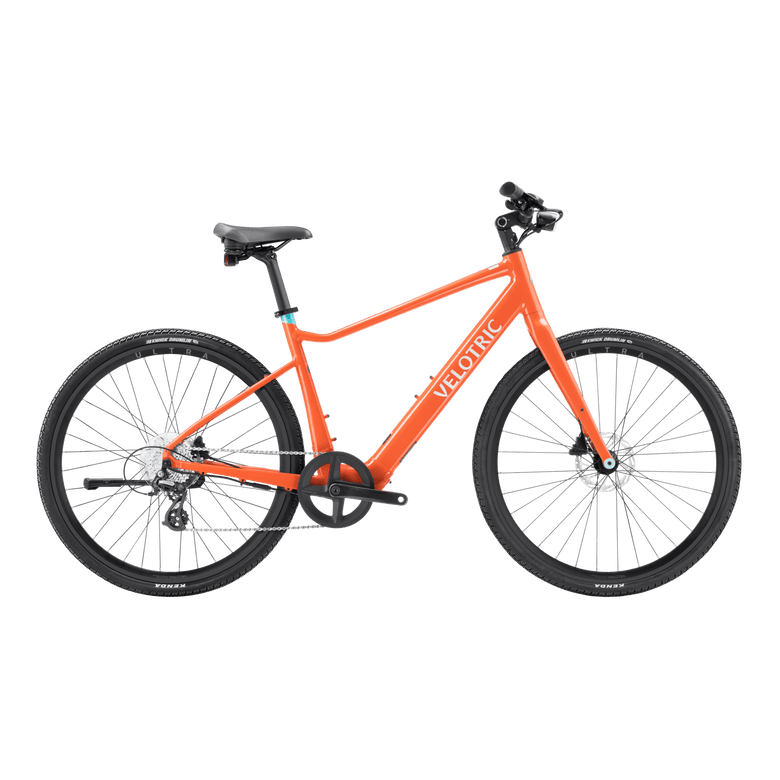
For riding to work, visiting friends, and replacing short car trips, prioritize comfortable fit, predictable handling, lights, brakes, and useful carrying options. A city-focused design may emphasize maneuverability and lower weight, while a commuter model may offer more equipment for repeated daily travel. Explore our electric commuter bikes and city ebikes around your route and parking needs.
Electric Cruiser Bikes
Cruiser ebikes emphasize relaxed riding, often through an upright position, comfortable contact points, and an approachable layout. They suit neighborhood outings, paved paths, coffee rides, and casual everyday trips. Compare our electric cruiser bikes if comfort and an unhurried riding experience are your main priorities.
Lightweight and Folding Ebikes
Lower weight can help when walking, lifting, or loading an ebike, while a folding frame reduces the space it occupies. These are different benefits: a folding bike can still be heavy, and a lightweight bike may still need full-size storage. Compare our lightweight ebikes and folding electric bikes for apartment living, vehicle travel, and limited storage.
Hybrid, Fat Tire, and Off-Road Ebikes
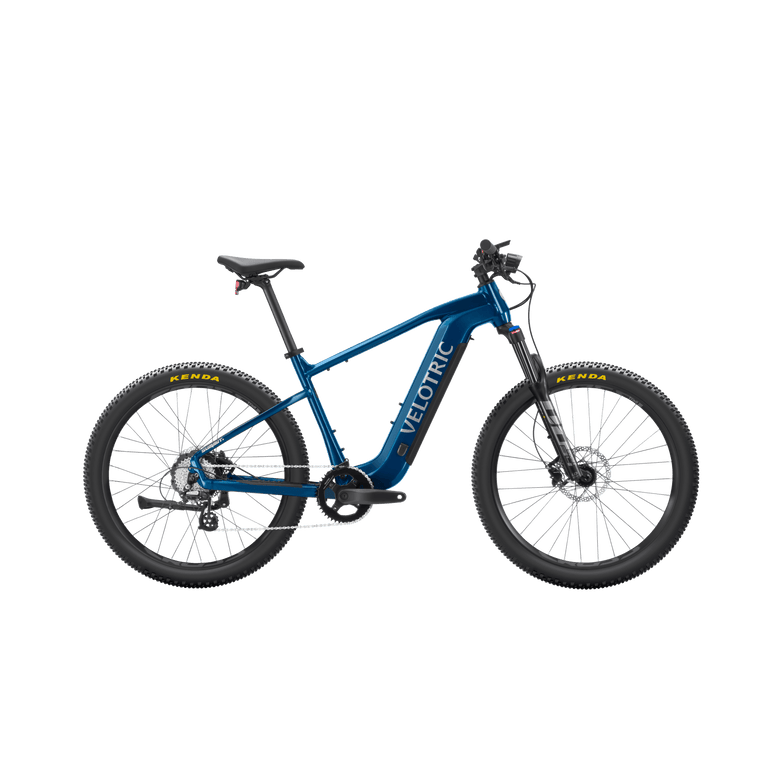
For rides that extend beyond smooth pavement, compare tires, suspension, handling, and the model's intended use. Hybrid electric bikes can suit a mix of streets, gravel connectors, and light recreational trails. Fat tire ebikes offer a different balance of tire volume, cushioning, and weight. Explore off-road electric bikes for outdoor routes, including camping or hunting access where permitted. Equipment and route permission should be checked separately.
Cargo and Utility Electric Bikes
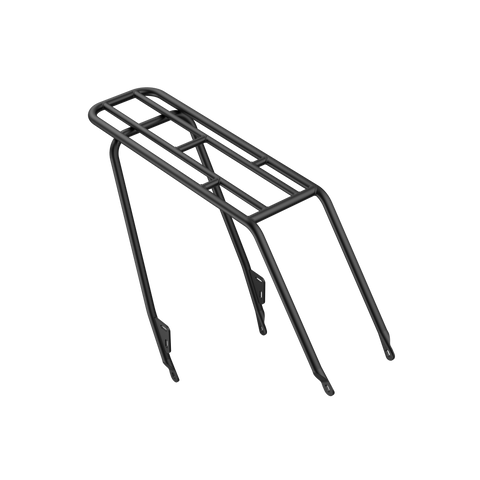
When groceries, work equipment, or other loads are a regular part of your routine, carrying utility deserves more attention. Compare total payload, rack capacity, accessory compatibility, and loaded handling. Our electric cargo bikes are a starting point for practical everyday hauling. Passenger use requires a specifically approved model and accessory setup, rather than a high carrying limit alone.
Step-Through Ebikes and Electric Tricycles
A step-through frame provides a lower opening for mounting and dismounting, which can be useful for frequent stops or riders who prefer easier access. An electric tricycle provides a three-wheel layout with different balance, turning, and storage considerations. Compare our step-through electric bikes and electric tricycles, and test ride the format you are considering.
Finding an Ebike That Fits the Rider
Electric bikes for men and women should be chosen around body proportions, comfort, handling, and intended use. A frame label or rider-height range is only a starting point. Check inseam clearance, reach, saddle adjustment, and access to the controls, then consider whether the bike feels manageable when walking, stopping, and parking.
Our electric bikes for women and electric bikes for seniors offer additional ways to explore the range. New riders can prioritize easy-to-understand controls and predictable assistance. Experienced riders may place more emphasis on a particular riding position, terrain capability, or motor response. Use our ebike size guide to compare fit beyond height alone.
For active riding, the ability to adjust assistance lets you vary your pedaling contribution as the ride changes. Explore our fitness ebikes if exercise, recreational loops, and a more involved riding feel are priorities.
How to Choose the Best Electric Bike for You
There is no single best electric bike for every rider. Consider the complete experience, from the route itself to charging, storage, and ongoing care.
- Riding purpose and terrain. Decide whether most trips involve pavement, mixed surfaces, outdoor exploration, or carrying loads.
- Fit and comfort. Compare riding position, mounting access, tires, suspension, and contact points together.
- Range and charging. Plan around your full ride, including the return journey, and check where you can charge.
- Weight and storage. Consider the bike as you will use it, including the battery, lock, and accessories.
- Motor response. Compare how smoothly the bike starts, supports pedaling, and handles changing gradients.
- Brakes and visibility. Evaluate braking control and lighting for your usual conditions.
- Budget and support. Include essential equipment, maintenance, warranty terms, and access to service.
Our electric bike buying guide provides a deeper look at the decisions that matter.
Understanding Ebike Assistance, Motors, and Batteries
Pedal Assist, Throttle, and Riding Feel
Pedal assist supports your effort while you turn the pedals. A throttle, where fitted, offers a separate way to request motor power. How pedal assistance responds also depends on the sensors and control system. Torque sensing responds to pedaling force, while cadence sensing detects pedal rotation. Selected Velotric models offer SensorSwap™, allowing riders to choose between these approaches.
Read our pedal-assist guide and torque vs. cadence sensor comparison to understand how those differences translate into riding feel.
Motor Power and Placement
Motor wattage is one part of an ebike's performance. Torque, controller settings, gearing, wheel size, and the rider's load also influence acceleration and climbing. Hub motors drive a wheel directly, while mid-drive motors deliver power through the drivetrain. Compare our mid-drive ebikes and read the hub motor vs. mid-drive guide before deciding which layout suits your routes.
Battery Capacity and Real-World Range
Battery capacity, measured in watt-hours, describes stored energy. Range depends on how that energy is used, including assistance level, speed, terrain, weather, tire pressure, load, and your own pedaling. Maximum advertised mileage is measured under specified conditions and should not be treated as a guaranteed distance. If you expect frequent throttle use, compare throttle-specific estimates as well.
Explore our long-range electric bikes and electric bike battery guide to match capacity and charging needs to your routine.
Electric Bike Classes, Speed, and Where You Can Ride
Under the commonly used U.S. three-class framework, Class 1 provides pedal assistance up to 20 mph, Class 2 allows throttle propulsion with motor assistance cutting off at 20 mph, and Class 3 provides pedal assistance up to 28 mph. These describe assistance limits rather than a required riding pace.
Explore our Class 1, Class 2, and Class 3 ebikes. Definitions, equipment requirements, and access rules vary by jurisdiction. Check the selected bike's configuration and the current rules for your specific roads and trails. Our state ebike law guide is a starting point for further research.
Why Choose Velotric Ebikes?
Choosing an ebike involves more than comparing motor wattage or maximum speed. The complete riding experience depends on how the systems work together.
Velotric electric bikes are designed around comfort, adaptability, range, and everyday reliability.
Premium Components & Long-Range Performance
Quality components, efficient electric systems, and high-capacity batteries help Velotric ebikes deliver dependable performance across daily commutes, longer recreational rides, and weekend adventures. Depending on the model, riders can choose between lightweight efficiency, higher-capacity batteries, powerful motors, and extended-range configurations to match how far and how often they ride.
ComfortMax™ for a More Comfortable Ride
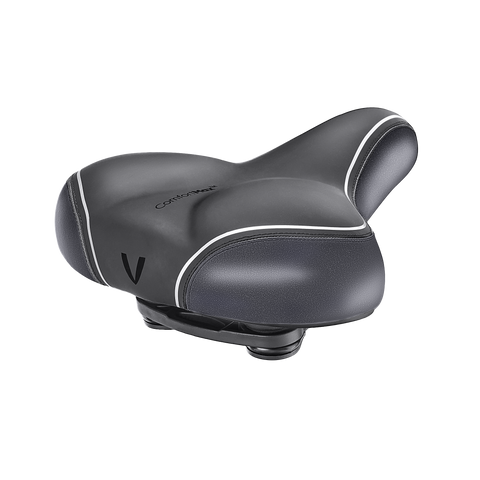
ComfortMax™ combines rider-focused frame geometry with carefully selected touchpoints and components to create a more natural, supportive riding position. Across compatible Velotric models, features such as upright geometry, ergonomic handlebars, low-step frames, suspension, wider tires, and supportive saddles work together to help reduce unnecessary strain and make longer rides more enjoyable.
SensorSwap™ for More Ways to Ride
On compatible premium Velotric ebikes, SensorSwap™ allows riders to switch between torque-sensor and cadence-sensor riding modes. Torque Mode responds more directly to how hard you pedal for a natural, responsive feel, while Cadence Mode can provide more consistent assistance with less pedaling effort. This gives riders more flexibility to adapt the bike to hills, commuting, cruising, or changing energy levels.
Velotric Safer Rides
Electrical safety and weather protection are built into the Velotric lineup. Velotric ebikes use UL-certified electrical systems and batteries, with UL 2849 and UL 2271 certification, while IPX6 protection for the bike and IPX7 protection for the battery help provide added confidence in changing weather and wet riding conditions.
Expert Support & Peace of Mind
Choosing an electric bike also means choosing the support behind it. Velotric provides customer support, warranty coverage, replacement parts, and access to a growing dealer network so riders have help available beyond the initial purchase.
Budgeting for and Looking After Your Ebike
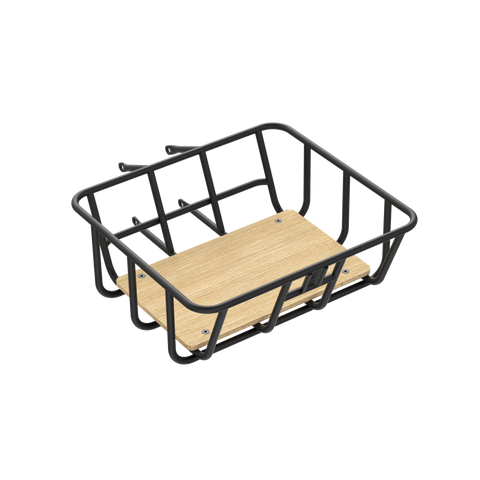
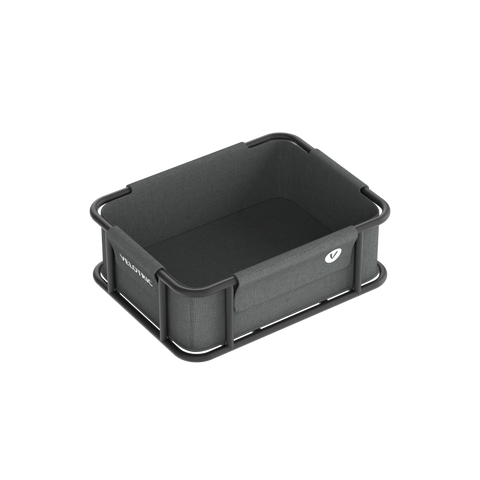
Compare the cost of the setup you actually need. Alongside the bike, allow for a properly fitted helmet, suitable lock, and any compatible bags, baskets, or racks. Browse Velotric ebike offers for current pricing and check product pages for included equipment. Review warranty and return terms before ordering, especially if fit or storage space is uncertain.
Regular care includes tires, brakes, drivetrain condition, fasteners, and battery handling. Follow the selected model's charging and storage instructions, and arrange service when needed. Explore ebike accessories and our maintenance checklist to prepare for ongoing use. For seasonal breaks, see our winter ebike and battery storage guide.
 Sales








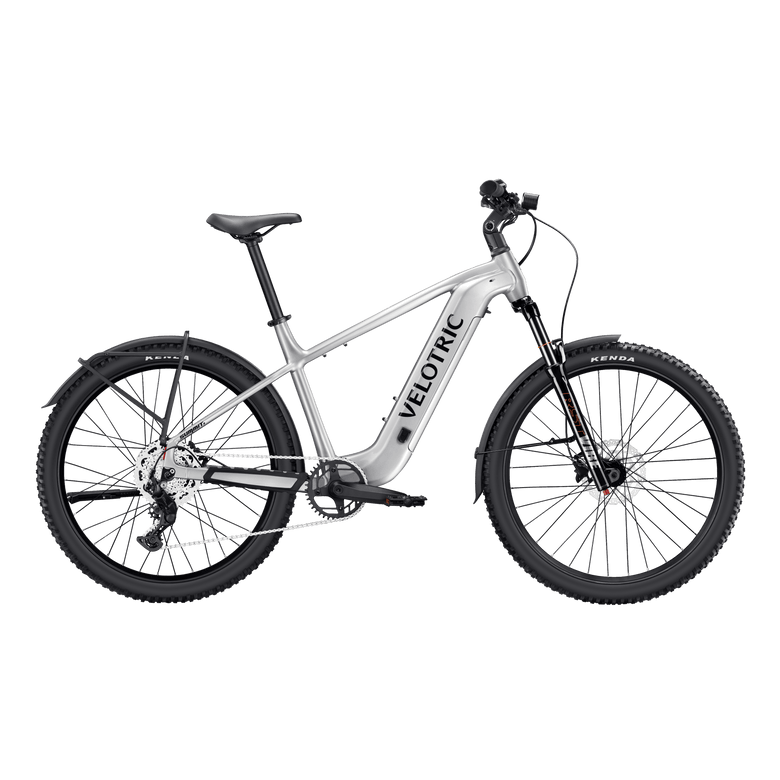



 *Ebikes marked with "Black Friday Offer Guarantee" receive the same offer available on Black Friday. Others are covered by a 45-day Price Match Window.

 "An All-Around Good Bike for Everywhere"
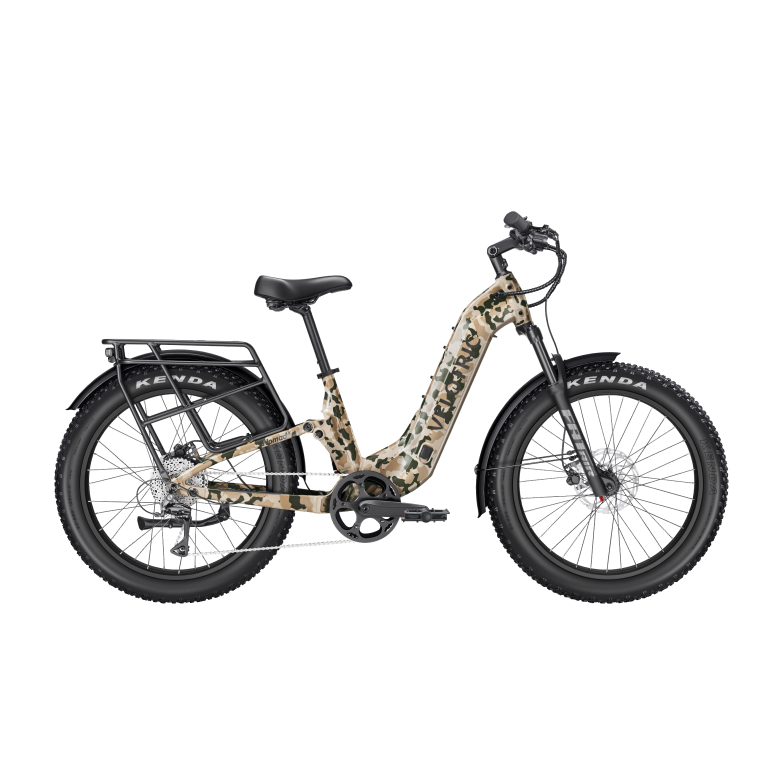


 Save $759.97
 "Best Electric Bikes For Heavier Riders 2026"
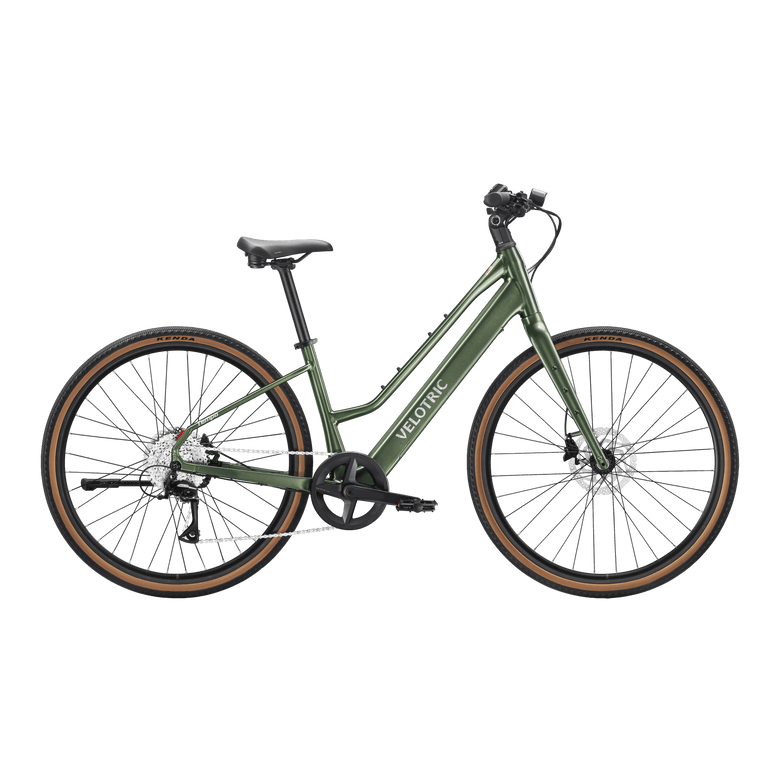
 "Best Lightweight E-Bike"
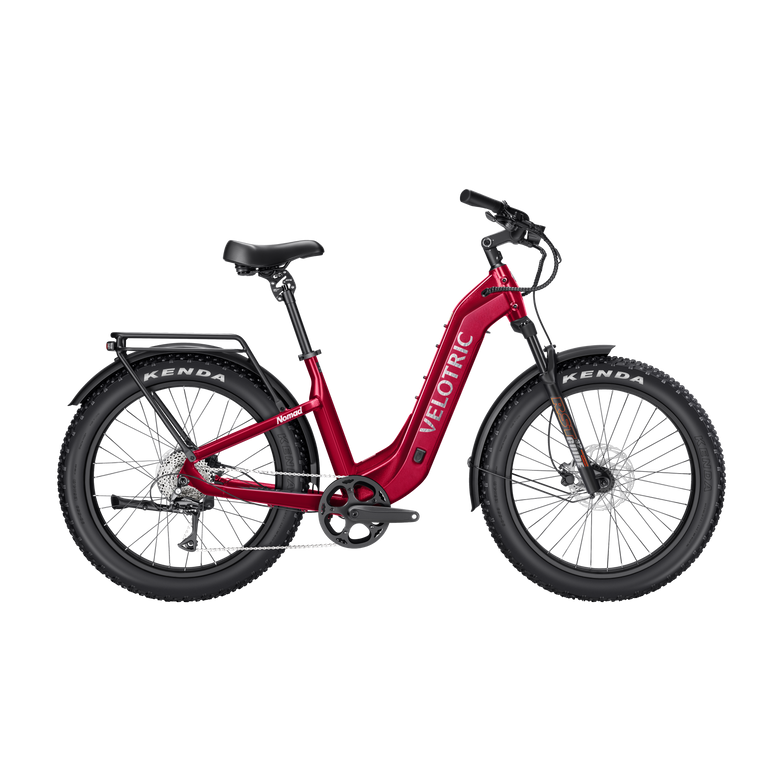
 Free Left Mirror & Battery (Worth $539.98)
 Read more
 Read more
 Read more