Best Class 1 Electric Bikes for Active, Everyday Riding
A Class 1 ebike adds electric support to your pedaling, helping make hills, headwinds, and longer rides more manageable while keeping you involved in the ride. It is a useful starting point if you enjoy cycling and want assistance that works with your effort.
Explore Velotric ebikes with manufacturer-supported Class 1 configurations across lightweight city, comfort, folding, hybrid, and utility designs. Choose around how you want to ride, then confirm the selected model's operating instructions, class configuration, and suitability for your location.
What Is a Class 1 Ebike?
Under the commonly used U.S. three-class framework, a Class 1 electric bike provides motor assistance only while you pedal, with assistance cutting off at 20 mph. It does not provide independent throttle propulsion in its Class 1 configuration.
The class describes the assistance system, rather than the bike's shape or purpose. A lightweight city bike and a suspension-equipped hybrid can both offer Class 1 riding while feeling very different to use. Compare the entire bike, including fit, tires, gearing, and weight, as well as the class.
Class 1 vs. Class 2 vs. Class 3 Ebikes
- Class 1. Pedal assistance cuts off at 20 mph, without independent throttle propulsion.
- Class 2. Throttle propulsion is available, with motor assistance cutting off at 20 mph.
- Class 3. Pedal assistance cuts off at 28 mph under the common framework.
Compare our Class 2 ebikes if throttle use matters to you, or Class 3 ebikes if you are evaluating higher assisted speeds. Read our ebike class comparison and check the applicable definitions and access requirements before choosing.
Why Choose a Class 1 Electric Bike?
Class 1 riding suits people who want help with the demanding parts of a route while continuing to pedal. You can increase support for a climb, reduce it on an easier section, and choose an effort level that feels comfortable for the day. You do not need to ride at the assistance cutoff speed to benefit from the motor.
This approach works for a range of routines, from getting back into regular cycling to commuting, social rides, and weekend exploration. It can also make riding with companions more practical when routes and preferred effort levels differ. Explore our fitness ebikes for active riding or commuter ebikes for repeated everyday travel.
Understanding Pedal Assist and Ebike Components
How Does Pedal Assist Work?
Pedal assist, often called PAS, uses sensors and a controller to regulate motor support while you pedal. Depending on the system, assistance responds to pedal rotation, pedaling force, or a combination of inputs. Lower settings generally leave more of the effort to you, while higher settings offer additional support and typically consume more battery energy.
Assist levels are different from gears. The assistance setting changes the motor's contribution; the selected gear changes how your pedaling turns the wheel. Use our pedal-assist guide to understand the basics before comparing bikes.
Torque Sensors vs. Cadence Sensors
A torque sensor measures the force you apply to the pedals, allowing motor support to respond to changes in your effort. A cadence sensor detects pedal rotation and supplies assistance according to the bike's settings. Torque sensing can feel closely connected to your pedaling, while cadence sensing can suit riders who prefer support with lighter pedal pressure.
Class 1 does not require one sensor type. Selected Velotric models offer SensorSwap™, allowing you to choose between torque and cadence sensing. Read our torque vs. cadence sensor comparison and test both responses if you are unsure which you prefer.
Hub Motors, Mid-Drive Motors, and Gearing
A hub motor drives a wheel directly, while a mid-drive sends power through the drivetrain. With a mid-drive, appropriate gear selection helps the motor work across changing gradients. Both layouts can provide pedal assistance, and neither motor location nor wattage alone establishes the bike's class or overall riding quality.
Compare our mid-drive electric bikes and hub motor vs. mid-drive guide around your route, preferred feel, and maintenance needs.
Comfort, Brakes, Tires, and Suspension
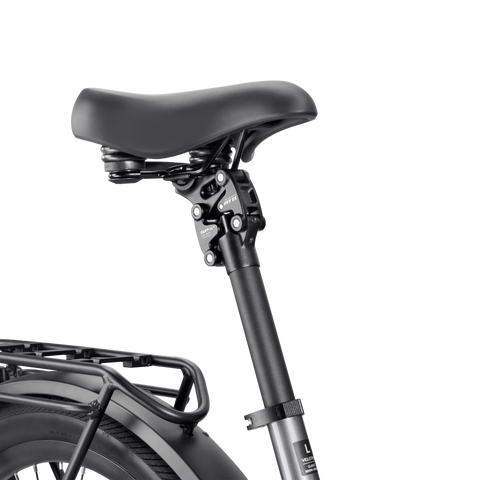
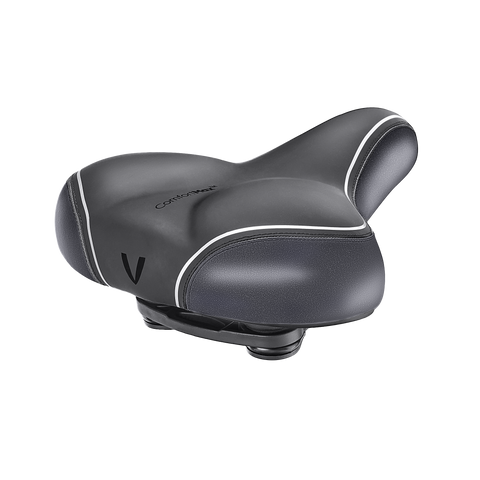
Motor assistance is only one part of a comfortable ride. Frame geometry, saddle support, handlebar position, tire volume, and suspension work together to shape how a bike feels. Braking control also depends on the complete setup, including pads, rotors, tire grip, and maintenance. Compare our disc brake guide and ebike suspension guide when evaluating equipment.
How to Choose the Best Class 1 Ebike for You
Start with your usual riding conditions and what the bike needs to do between rides. The best Class 1 ebike for a rider with stairs may differ from the best choice for someone carrying groceries or riding rough pavement.
- Fit and handling. Compare reach, standover clearance, saddle adjustment, and how comfortably you can start, stop, and turn.
- Pedaling response. Try different assistance settings and sensor modes where available.
- Distance and charging. Plan around the full round trip and charging access, with a battery reserve.
- Weight and storage. Consider the bike with its battery and accessories, along with any lifting you need to do.
- Terrain and carrying needs. Compare tires, suspension, gearing, total payload, and rack compatibility.
- Ownership cost. Include essential accessories, routine maintenance, warranty terms, and service availability.
Use our ebike size guide and electric bike buying guide to narrow your options.
Explore Velotric Class 1 Riding Options
Lightweight City Riding and Apartment Living
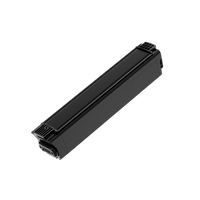
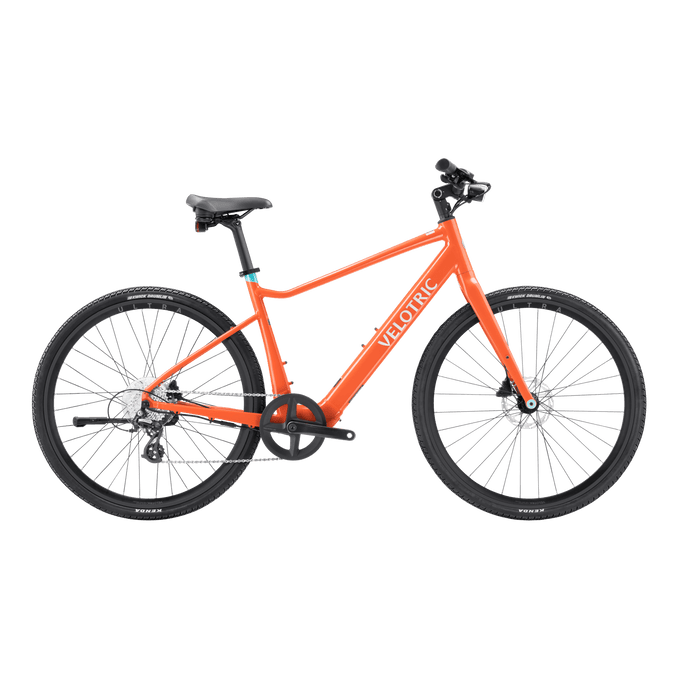
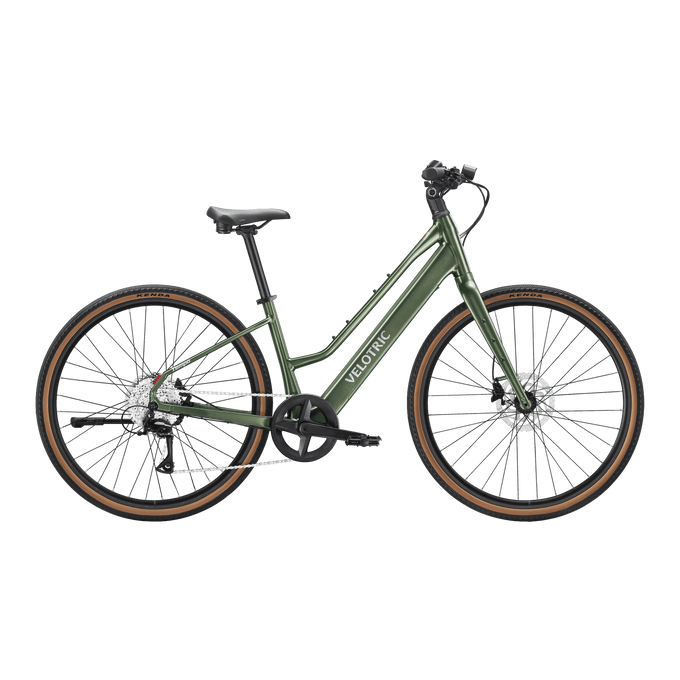
The Velotric Tempo suits riders who want a slim, bicycle-like design with a removable battery. It weighs 39 lbs with the battery and 34 lbs without it. The T1 ST Plus offers another lightweight city option with torque sensing and no throttle. Compare our lightweight ebikes if lifting, indoor storage, and agile handling are priorities.
Comfortable Commuting and Relaxed Cruising
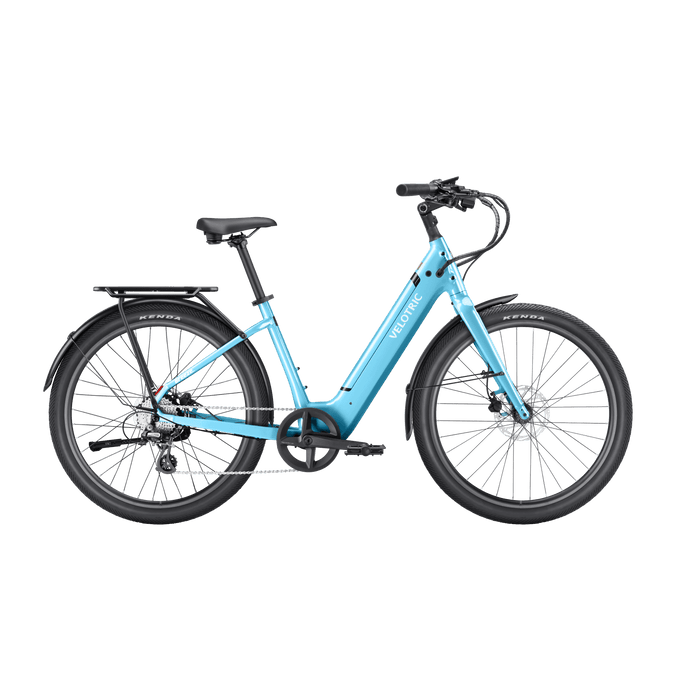
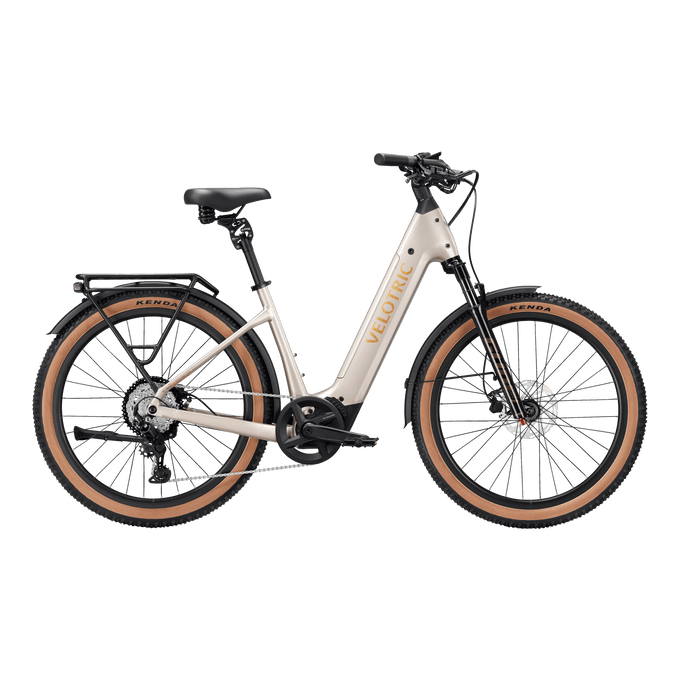
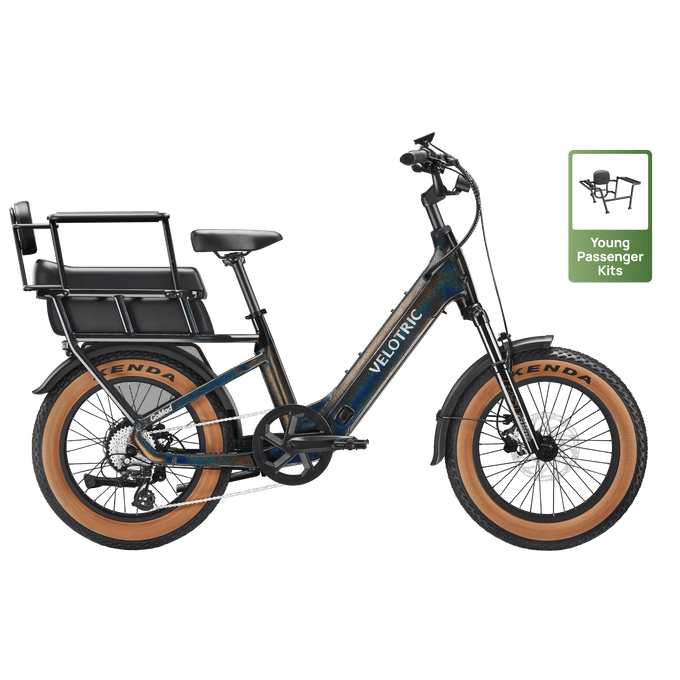
The Discover 3 emphasizes upright comfort and suspension-supported daily riding. The Breeze 1 combines a step-through frame with lighter cruiser handling for neighborhood trips and paved outings. Explore our electric cruiser bikes and step-through ebikes to compare riding position and mounting access.
Mixed Terrain and Weekend Exploration
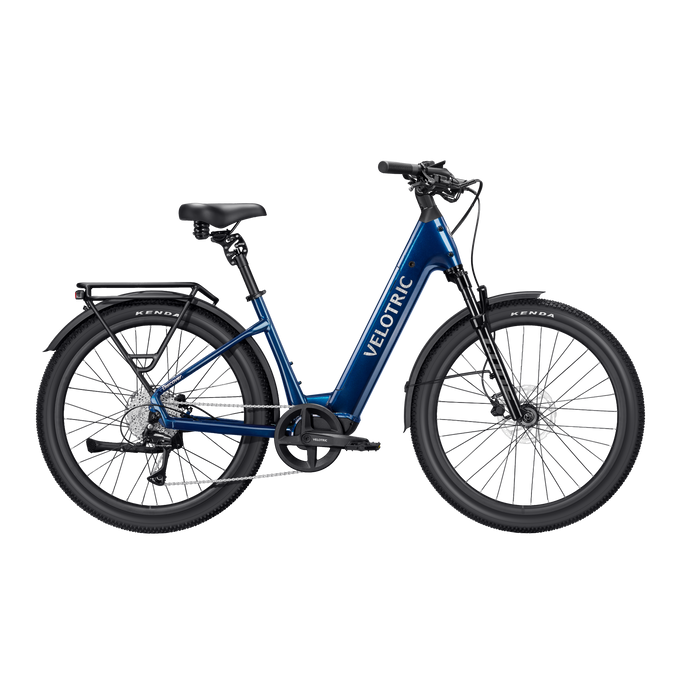
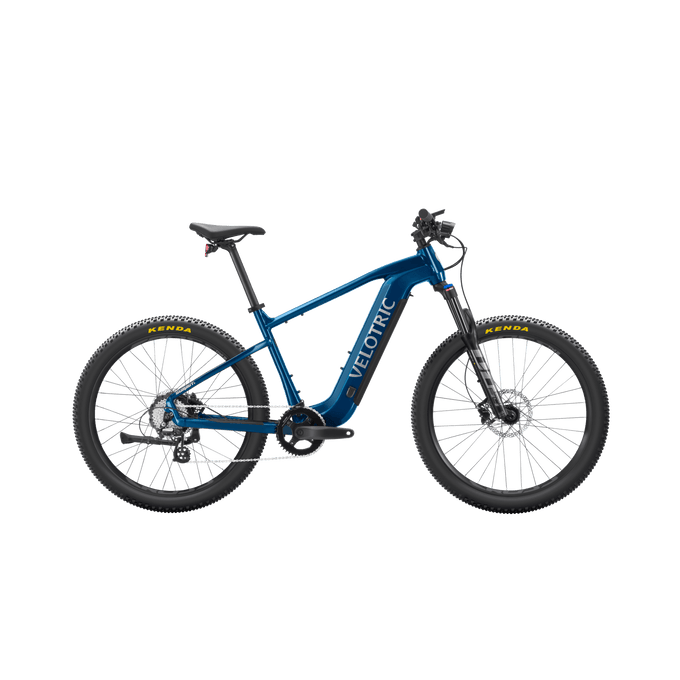
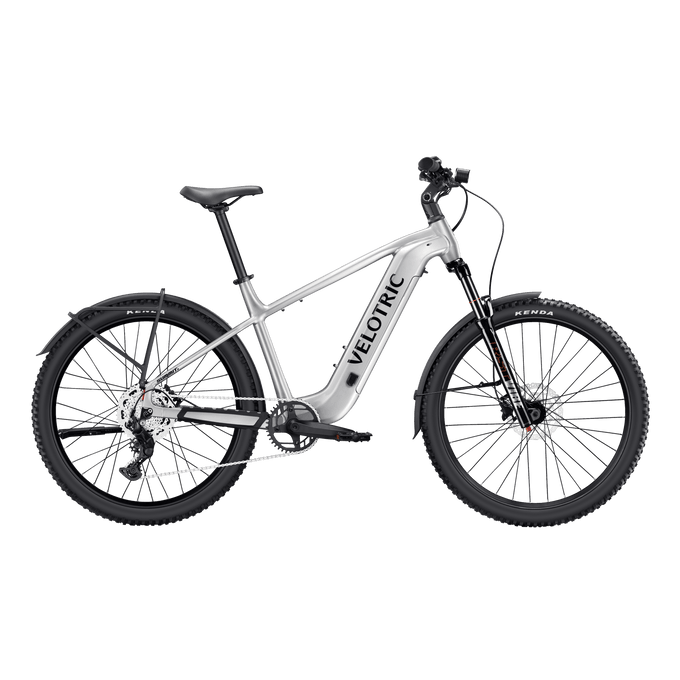
The Summit 2 is designed around a mix of city streets, gravel connectors, and light recreational trails. Explore our hybrid electric bikes if you want versatility across weekdays and weekends. For different tire volume and handling priorities, compare fat tire ebikes. Match the model to the terrain and confirm route access separately.
Folding Storage and Everyday Utility
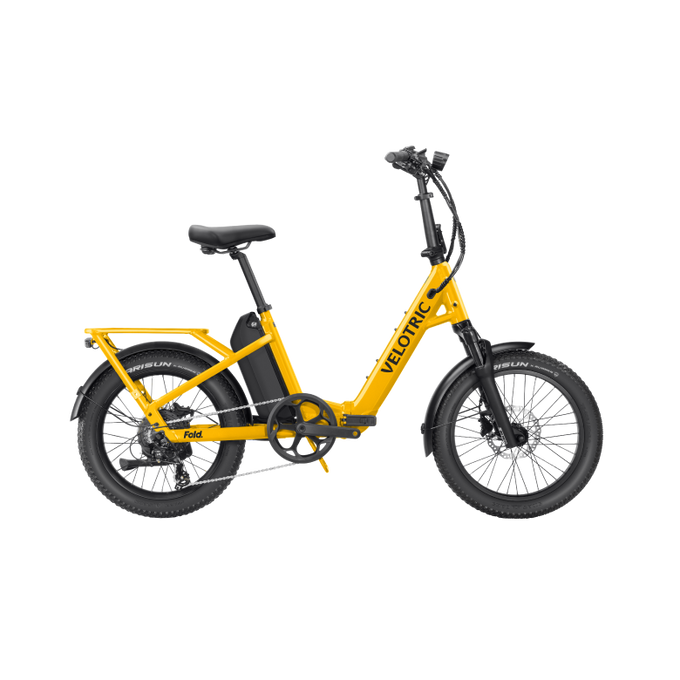
The Fold 1 Plus is worth comparing when a smaller storage footprint matters. Check folded dimensions and carrying weight together. Explore our folding ebikes for compact storage or cargo ebikes when carrying items is central to your routine. Confirm the selected model's supported Class 1 setup before use.
Battery Range, Hills, and Riding Effort
Pedaling contributes to moving the bike, but Class 1 operation does not guarantee a specific range or automatically make one bike more efficient than another. Battery capacity, assistance setting, speed, hills, temperature, tires, and rider and cargo weight all affect distance per charge. Compare advertised range under the stated test conditions, then allow a margin for your actual route.
For climbing, look at torque delivery and gearing alongside motor power. Shift into an appropriate gear before a climb and maintain a comfortable pedaling rhythm. A higher assistance setting can help, but demanding hills and heavier loads also increase energy use. Explore our long-range ebikes and battery guide when planning longer rides.
Class 1 Ebikes for New Riders and Everyday Confidence
A pedal-assist bike can make regular riding more approachable, but fit and control still matter. New riders should practice starts, braking, turning, and assistance changes in a quiet area. Choose a bike you can comfortably walk and park as well as ride. Our beginner riding guide provides a starting point.
Riders looking for additional fit-focused options can explore our electric bikes for women and electric bikes for seniors. Choose around individual proportions, balance, handling, and preferred posture. Age or gender alone does not determine the right frame or assistance system.
Accessories, Care, and Long-Term Value
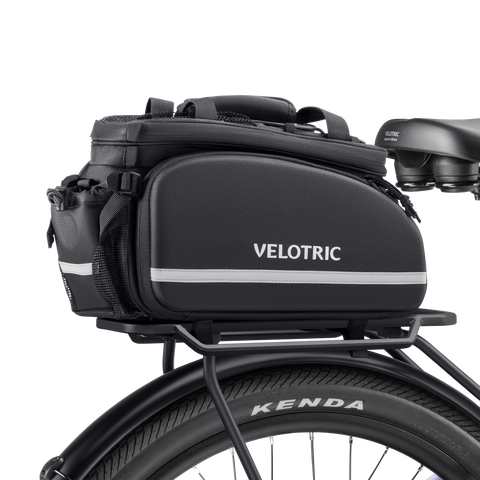
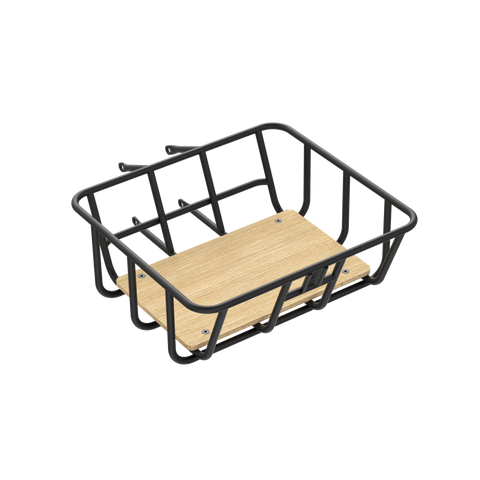
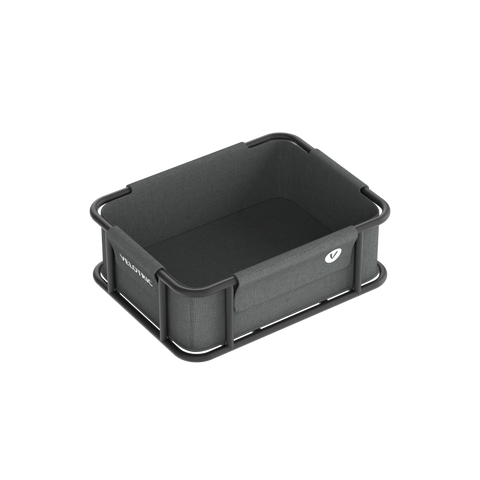
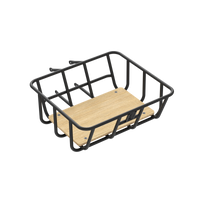
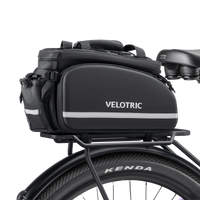
Build a setup that supports the way you ride. A helmet, suitable lock, and compatible carrying accessories belong in the purchase budget. Browse Velotric ebike accessories and current ebike offers, checking included equipment and model compatibility before ordering.
Use our ebike maintenance checklist to plan routine care. Follow the model's charging, storage, and wet-weather instructions, and arrange service when a problem affects safe operation.











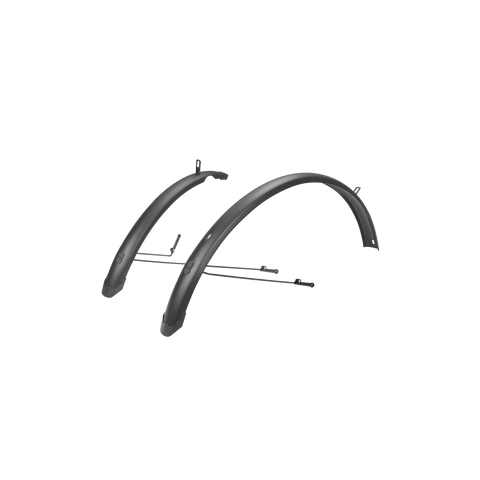
 Free Rear Rack & Fender (Worth $149.98)








 Read more
 Read more
 Read more