Sales








When winter arrives, your ebike may spend more time parked than on the road. Proper storage helps protect the battery, prevent moisture and rust, and keep your bike ready for your next ride.
You do not need a complicated routine to prepare for a winter break. The seven steps below cover the essentials in order of importance, whether you are parking your bike until spring or taking occasional rides between cold spells.
Black Friday Starts Now

- 1. Remove the Battery and Store It Indoors
- 2. Maintain the Recommended Storage Charge
- 3. Clean and Lubricate Before Storage
- 4. Protect the Bike From Dampness and Rust
- 5. Check Tires and Mechanical Components
- 6. Take Occasional Winter Rides if Conditions Allow
- 7. Run Through a Spring Riding Checklist
- FAQs About Winter Ebike Battery Storage
- Keep Winter Riding With the Velotric Nomad 2X
1. Remove the Battery and Store It Indoors
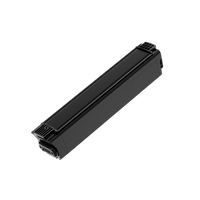
Of all the parts on your ebike, the battery is the one most worth protecting over winter. It is the most expensive component, and how it is stored matters more than how the rest of the bike is stored. If your battery is designed for user removal, switch off the ebike and take the pack out before long-term storage.
✦ Keep It Away From Temperature Extremes
Batteries don't tolerate extreme temperatures well. For long-term storage, a stable room temperature of 50–68°F (10–20°C) is ideal. Try to keep the pack from dropping below 32°F (0°C) or climbing above 86°F (30°C). Manufacturer guidance varies slightly, so check your own battery's range. For example, Velotric lists 50–77°F (10–25°C) in a clean, dry, ventilated environment.

*Velotric ebikes are UL certified and designed to operate within the specified temperature range, but long-term winter storage still requires additional precautions.
✦ Don't Leave It in the Garage, Shed, or on the Balcony
These spaces may feel fine in autumn, but they have the biggest temperature swings of any part of your home. They can freeze overnight, warm up in the afternoon sun, and turn damp in between. Keep the battery inside your living space instead, and leave the bike wherever it fits best.
✦ Choose a Safe, Out-of-the-Way Spot
Place the battery away from heaters, fireplaces, and direct sunlight, and well away from flammable materials and exit routes. Pick somewhere it is unlikely to be knocked, stacked on, or dropped, and keep it out of reach of children and pets. Follow the manufacturer's placement instructions.
✦ If Your Battery Is Built Into the Frame
Not every battery is meant to come out. Confirm whether removal is something an owner can do or needs a workshop, and never try to dismantle a pack that isn't designed for user removal. In that case, the bike itself becomes the storage unit, so bring the whole bike indoors to a location that meets the same temperature guidelines.
2. Maintain the Recommended Storage Charge
A battery's state of charge during storage matters almost as much as its temperature. Neither a full pack nor an empty one is ideal for sitting through a long winter, so aim for the middle of the range: roughly 40-70%.
✧ Why Full and Empty Are Both Bad Ideas
Leaving a lithium battery at 100% for months puts it under constant stress and speeds up aging. Letting it drain completely is just as risky. A pack that sits empty can slip into deep discharge, and a battery in that state may no longer accept a charge at all. A partial charge avoids both problems and gives the pack a safe buffer as it slowly loses charge over time.
✧ Check In Every 1-2 Months
Batteries self-discharge even when nothing is connected, so don't set it and forget it. Every month or two, check the charge level. If it has dropped below 30%, top it up to around 50%. A quick check takes a minute and can be the difference between a healthy battery in spring and a dead one.
✧ Don't Leave the Charger Plugged In All Winter
It is tempting to keep the battery on the charger so it is always "ready," but continuous charging keeps the pack at a high state of charge, which is exactly what you are trying to avoid. Charge to your target level, unplug, and put the charger away until the next check.
3. Clean and Lubricate Before Storage
Winter riding leaves more behind than mud. Road salt, de-icing residue, and grit cling to the drivetrain and fasteners, and if they stay on the bike for months, they keep working on the metal. Spending half an hour on cleaning before storage means you will be starting spring with a bike that is ready to ride, not one that needs repairs.
✦ Wipe Away Mud, Salt, and De-Icer
Remove dirt and residue from the frame, drivetrain, bolts, and connectors. Salt and de-icing products are corrosive, and they can attack chains, screws, and electrical contacts if left in place.

*Velotric ebikes feature IPX6-rated bikes and IPX7-rated batteries. Please follow the manufacturer's cleaning instructions for other ebikes.
Explore waterproof ebikes✦ Dry Thoroughly, Then Lube the Chain
Once everything is clean, dry the bike completely, paying attention to the chain, cassette, and bolt heads where moisture likes to hide. Apply chain lubricant, let it settle for a few minutes, and wipe off the excess. Extra oil does not add protection. It only attracts dust and grime, so a thin, even coat is better than a heavy one.
✦ Keep Battery Contacts Dry and Protected
The battery port and contacts deserve special care. Make sure they are completely dry before you store the bike or reinstall the pack. If needed, apply a very thin layer of contact protectant to help guard against corrosion. Check your manufacturer's guidance first, since some brands recommend specific products or advise against adding anything at all.
4. Protect the Bike From Dampness and Rust
Choose a dry, sheltered, ventilated place for the whole bike, within its specified storage limits. A garage may work, but check for condensation, leaks, and moisture around the parking spot. Removing the battery does not make the remaining electronics immune to unsuitable conditions.

Leave space around the bike for airflow and inspection. Avoid resting it against a damp wall or parking where water collects. A stable platform can help keep it away from a wet floor, but it does not correct excessive humidity. Improve ventilation or use appropriate humidity control where necessary.
If you use a cover, choose one that allows moisture to escape and put it over a dry bike. A tightly sealed plastic sheet can trap dampness underneath. Desiccant may help inside a small storage enclosure, but a packet beside the bike will not dry an entire damp garage.
Protect the display from direct sunlight, keep the bike away from heat sources, and lock it securely. Store keys and accessories where you can find them when riding resumes.
5. Check Tires and Mechanical Components
A bike that sits for months can develop problems even when nothing is moving. Tires lose pressure, rubber flattens under weight, and small wear issues go unnoticed until the first spring ride. A few minutes of attention now will keep the bike rolling smoothly later.
✧ Inflate Tires to the Upper End of the Recommended Range
Tires slowly lose air over time, and a soft tire left under the bike's weight can develop flat spots or deform. Before storage, inflate each tire to the upper end of the manufacturer's recommended pressure range, which is usually printed on the sidewall or listed in the manual. Never go above the stated maximum, and remember that fat tires run at much lower pressures than road or commuter tires.
✧ Get the Wheels Off the Ground If You Can
The best way to protect the tires is to take the load off them. A wall hook or a stand that lifts the wheels clear of the floor prevents pressure from sitting on one spot. If that is not an option, nudge the bike forward every few weeks so the tires rest on a different part of the tread. Given the weight of many fat tire ebikes, make sure any hook or rack is rated for the bike before you hang it.
✧ Check Brake Pads Before You Put the Bike Away
Brake and shift cables don't need special treatment for winter storage, and there is no need to alter their tension. The brake pads are worth a look, though. Check their thickness and wear before storing the bike, and replace them now if they are close to the limit. It is far easier to deal with this in the off-season than to discover worn pads on the first sunny weekend.
6. Take Occasional Winter Rides if Conditions Allow
You can ride between cold spells when the route, weather, and bike's operating limits permit it. There is no need to schedule a monthly ride simply to keep the motor or battery “active”; correct storage and checks are sufficient during a seasonal break.
If you do head out, charge for the trip rather than treating it as long-term storage. Expect cold weather and snow resistance to affect range, begin with a shorter route, and leave a generous return reserve. See our tips for riding ebikes in snow for preparation and technique.
Let the battery warm naturally to its permitted charging temperature, and check that connections are dry before charging. Do not use heaters, hot water, or a hair dryer to speed up warming.

Velotric describes low-temperature charging protection below 32°F (0°C), with recovery in a warmer environment above 50°F (10°C) for at least an hour. Follow your specific model's charging requirements and allow more time if necessary; the battery itself must be ready, not just the room around it.
7. Run Through a Spring Riding Checklist
Before the first longer ride, inspect the bike and prepare the battery. A quick check now is easier than discovering a problem halfway through the outing.
- Battery: Check charge, casing, mount, and connections for damage, swelling, deformation, or corrosion.
- Tires: Restore appropriate pressure and inspect the tread and sidewalls.
- Brakes: Test function and inspect pad wear.
- Drivetrain: Check chain lubrication and shifting.
- Fasteners: Check the specified items and torque requirements in the manual.
- Lights and steering: Confirm they work correctly before entering traffic.
Charge the dry battery at a permitted temperature, reinstall it securely, and take a short test ride in an open area. Arrange service if you find electrical faults, inconsistent braking, damaged parts, or unfamiliar noises.
A simple winter storage rule: protect the battery's temperature and charge, put the bike away clean and dry, and check both periodically. Follow the battery's specified storage targets throughout the break.
FAQs About Winter Ebike Battery Storage
Can I leave my ebike battery in the garage all winter?
Only if the garage meets your battery's temperature, moisture, and safety requirements. A freezing or damp garage is not suitable simply because it is enclosed. Measure its conditions and choose a more appropriate dedicated location if necessary.
Should I store an ebike battery fully charged?
Use the partial-charge target specified for your battery system. A battery charged for an upcoming ride has a different purpose from one being stored for months. Check the level periodically and top up when the instructions require it.
How often should I check a stored ebike battery?
Follow the manual's interval. A monthly reminder is a convenient way to monitor charge and condition when the instructions call for regular checks. Checking does not mean charging every month; recharge when the specified threshold requires it.
Does cold weather permanently damage an ebike battery?
Cold can temporarily reduce available output and riding range, which does not by itself establish permanent damage. Improper charging, exposure outside the permitted limits, moisture, and prolonged neglect are separate concerns. Follow the pack's operating, charging, and storage instructions.
Can I charge my battery immediately after a winter ride?
Only when the battery is within its permitted charging temperature and the connections are dry. Let a cold pack warm naturally before connecting it. Charging protection is a safeguard, not a reason to ignore the temperature instructions.
Keep Winter Riding With the Velotric Nomad 2X
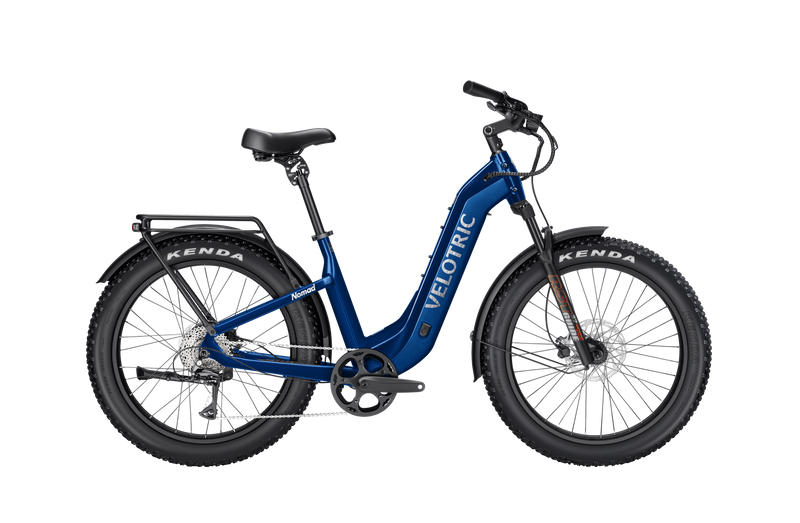
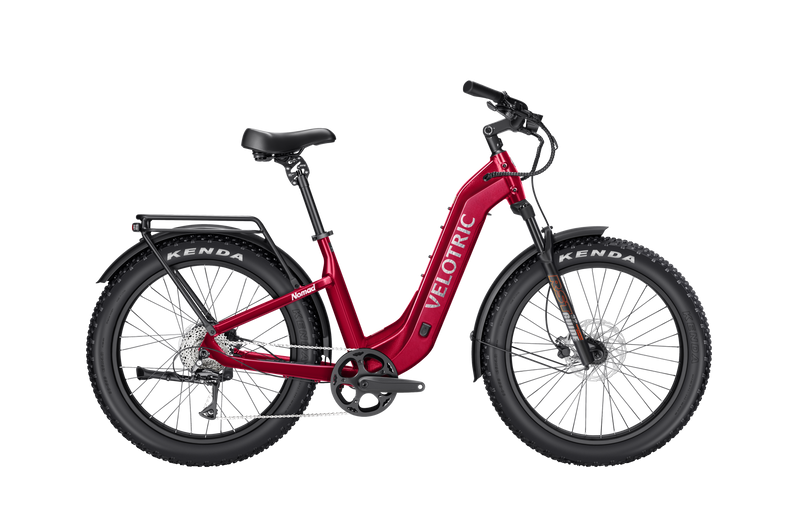
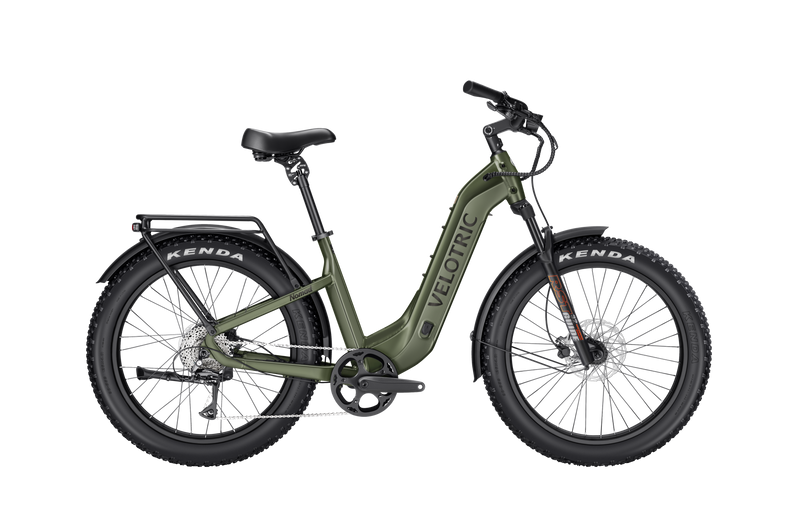
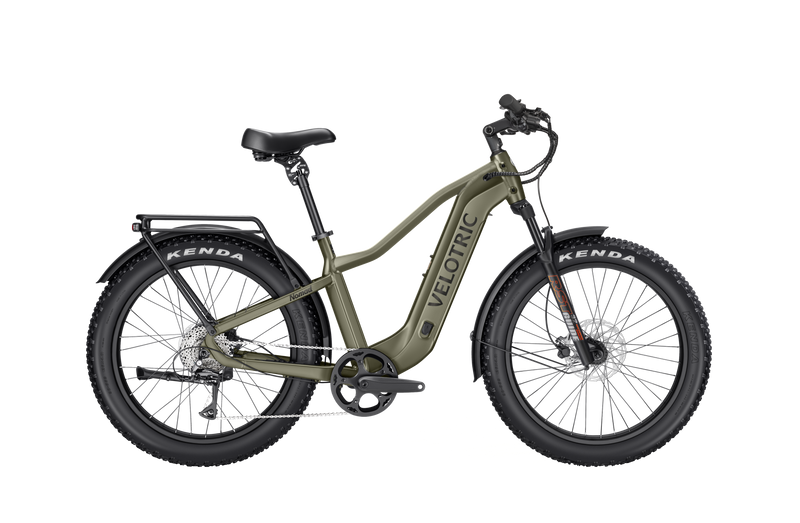
If you plan to ride through winter rather than store your bike until spring, the Velotric Nomad 2X combines 26×4.0-inch fat tires with a 120mm front air fork and 80mm rear wheel travel to help manage softer surfaces and uneven winter routes.

Its 750W motor and 105Nm of torque support climbing on suitable snow-covered terrain where traction allows, while fenders and integrated lights help with slush spray and dim conditions. Start with low assistance, choose tires for the surface, and allow a generous battery reserve in cold weather. Store and charge the battery as directed between outings, and read our snow riding tips before heading out.