Best Class 2 Electric Bikes with Throttle and Pedal Assist
A Class 2 ebike gives you the option to pedal with assistance or use a throttle to ride without pedaling. That flexibility can be useful when pulling away from a stop, taking a break from pedaling, or carrying everyday essentials. You can still choose how actively you want to ride.
Velotric offers throttle-equipped electric bikes for city travel, comfortable cruising, compact storage, carrying cargo, and outdoor exploration. Start with the riding style you need, then compare fit, weight, range, and equipment. Confirm the selected model's Class 2 configuration and suitability for your location before riding.
What Is a Class 2 Ebike?
Under the commonly used U.S. three-class framework, a Class 2 electric bicycle can provide motor-only propulsion through a throttle, with motor assistance cutting off at 20 mph. Models in this collection also offer pedal assistance, so you can switch between assisted pedaling and throttle use during a ride.
The class describes how assistance works, rather than the bike's frame style or intended terrain. A Class 2 ebike can be a lightweight city model, a cruiser, a folding bike, or a cargo bike. Definitions, equipment requirements, and access rules vary by jurisdiction.
Class 1 vs. Class 2 vs. Class 3 Electric Bikes
- Class 1. Pedal assistance cuts off at 20 mph, without throttle propulsion.
- Class 2. Throttle propulsion is available, with motor assistance cutting off at 20 mph.
- Class 3. Pedal assistance cuts off at 28 mph under the common framework. Check the applicable definition and equipment rules.
Compare our Class 1 ebikes and Class 3 ebikes, or read the electric bike class comparison. A model advertised with a higher available speed should not be described as providing Class 2 motor assistance at that speed.
Understanding How Electric Bikes Work
What Is Pedal Assist on an Electric Bike?
Pedal assist, often called PAS, uses the motor to support your pedaling. Sensors detect your input, and the controller regulates the assistance according to the selected setting. You keep turning the pedals while the motor helps with the effort needed to move the bike. This can make hills, headwinds, and longer rides more manageable while keeping you involved in the ride.
Lower assistance settings generally leave more of the work to you, while higher settings provide more support and typically use more battery energy. The number and behavior of assist levels vary by model. Read our guide to how pedal assist works for a closer look at the system.
What Is the Difference Between Pedal Assist and a Throttle?
Pedal assist responds while you pedal; a throttle lets you request motor power without continuing to pedal, subject to the model's activation requirements. You might pedal with assistance for most of a ride and use the throttle briefly when pulling away or taking a break. Throttle use and pedal-assist level are separate controls, so check your manual to understand how each behaves on your bike.
What Is a Torque Sensor vs. a Cadence Sensor?
A torque sensor measures the force you apply to the pedals, allowing assistance to respond to how firmly you pedal. A cadence sensor detects pedal rotation and provides assistance according to the bike's control settings. Torque sensing can feel closely connected to your effort, while cadence sensing can suit riders who prefer support with lighter pedaling pressure.
Selected Velotric models offer SensorSwap™, letting you choose between torque and cadence sensing. Compare the riding differences in our torque sensor vs. cadence sensor guide. Sensor type influences pedal assistance; throttle operation is a separate feature.
How Do Hub Motors and Mid-Drive Motors Differ?
A hub motor sits in a wheel and drives that wheel directly. A mid-drive motor sits near the cranks and delivers power through the drivetrain, so gear selection affects how it works across changing terrain. Both layouts can serve everyday riding, but they differ in power delivery, maintenance needs, and how they use the bike's gears.
Motor location does not determine whether a throttle is available. Check the individual model's equipment, then read our hub motor vs. mid-drive comparison to understand the practical tradeoffs.
What Do Watts and Torque Mean on an Ebike?
Watts describe power, while torque, measured in newton-meters (Nm), describes turning force. These figures help explain a motor's capabilities, but they do not tell the whole story about acceleration or climbing. Controller tuning, gearing, wheel size, rider weight, and the route also affect performance. Compare rated power separately from peak power, and avoid comparing torque figures from different motor layouts without considering how that force reaches the wheel.
What Does Battery Capacity in Watt-Hours Tell You?
Watt-hours (Wh) describe how much energy a battery stores. Nominal battery voltage multiplied by amp-hours gives an approximate watt-hour figure. A larger capacity can provide more riding time under comparable conditions, but it does not guarantee more range across different bikes or routes. Weight, speed, tires, terrain, weather, and your own pedaling contribution all affect energy use.
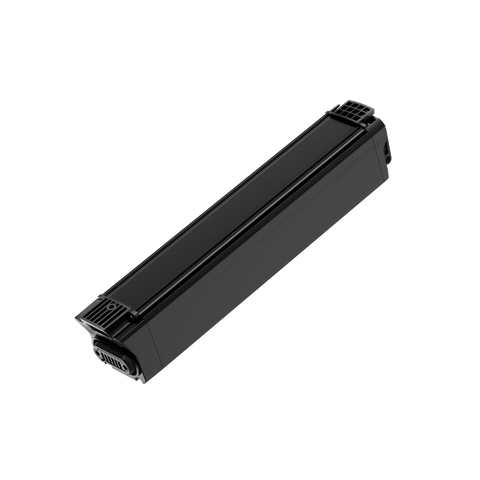
Also consider whether the battery can be removed for charging. That can be useful when an outlet is easier to reach than the place you park the bike. Our electric bike battery guide explains capacity and charging in more detail.
Do Electric Bikes Still Need Gears?
Many electric bikes use multiple gears to help you maintain a comfortable pedaling rhythm as your speed or the road gradient changes. A lower gear makes it easier to turn the pedals on a climb, while higher gears suit faster riding on flatter ground. Gears change the mechanical relationship between pedaling and wheel rotation; assist levels change the motor's contribution. On a mid-drive bike, gear choice also affects the motor's working conditions.
How Do Mechanical and Hydraulic Disc Brakes Work?
Both systems use brake pads to grip a rotor at the wheel. Mechanical disc brakes transmit lever input through a cable, while hydraulic systems use fluid pressure. Hydraulic brakes often require less hand effort and offer fine control over braking force, but setup, pads, rotor size, tire grip, and maintenance all affect the result. Read our mechanical vs. hydraulic disc brake comparison when evaluating braking equipment.
How Do Tire Width and Tread Affect the Ride?
Tire width, casing, tread, and pressure work together to influence comfort, grip, and rolling resistance. Smoother tread generally suits paved riding, while more pronounced tread may suit loose surfaces. Wider tires can add cushioning, but width alone does not determine traction or efficiency. Choose around your usual surfaces and keep pressure within the tire and bike manufacturer's guidance. Our hybrid ebike vs. fat tire ebike guide compares two common approaches.
What Is the Difference Between Front and Full Suspension?
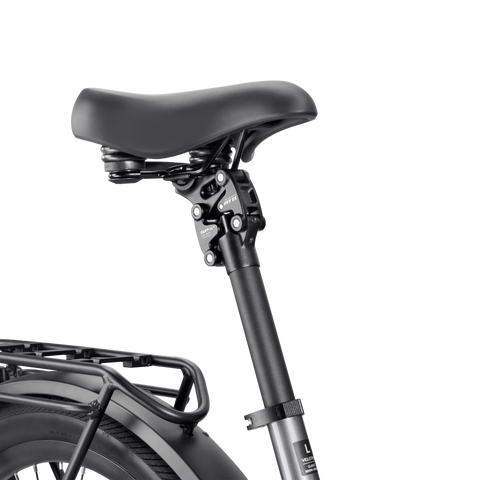
Front suspension allows the front wheel to move over bumps through a suspension fork. Full suspension adds rear-wheel suspension as well. A suspension seatpost cushions the rider at the saddle, but it does not turn a bike into a full-suspension model. More travel is not automatically better for every rider; consider your terrain, bike weight, setup needs, and maintenance. Explore our ebike suspension guide to compare the main systems.
How to Choose the Best Class 2 Electric Bike
The best Class 2 ebike is one you can comfortably ride, control, store, and maintain. Look beyond the presence of a throttle and compare the following details.
- Throttle operation. Check the control type, activation behavior, and response. During a test ride, practice using it gradually in an open area.
- Fit and access. Compare frame size, reach, standover clearance, and saddle adjustment. You should feel comfortable starting, stopping, and putting a foot down.
- Carrying and storage. Consider bike weight, folded dimensions where relevant, and the space available at home or work.
- Range for your riding style. Compare throttle-specific estimates if you expect to ride without pedaling frequently.
- Terrain and loads. Consider torque, gearing, tires, suspension, and carrying limits alongside motor power.
- Everyday ownership. Check compatible accessories, electrical safety certification, warranty terms, and access to service.
Which Velotric Class 2 Ebike Fits Your Riding Style?
Lightweight City Riding
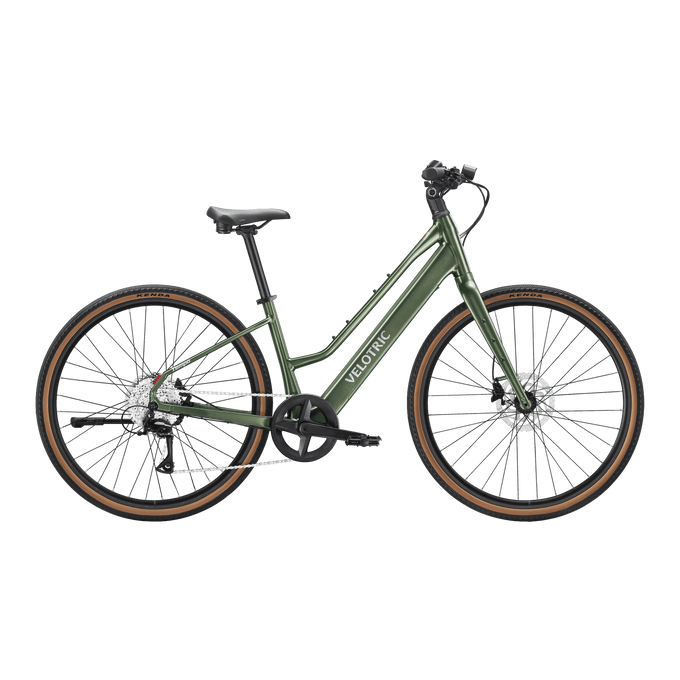
The Velotric Tempo is a starting point for riders who want a slim, bicycle-like design with throttle convenience. It weighs 39 lbs with the battery and 34 lbs with the battery removed, making weight easier to manage when lifting or storing it. Its natural pedaling feel suits active city rides as well as everyday transportation.
Compare our lightweight electric bikes if stairs, rack loading, or apartment storage are part of your routine.
Comfortable Commuting
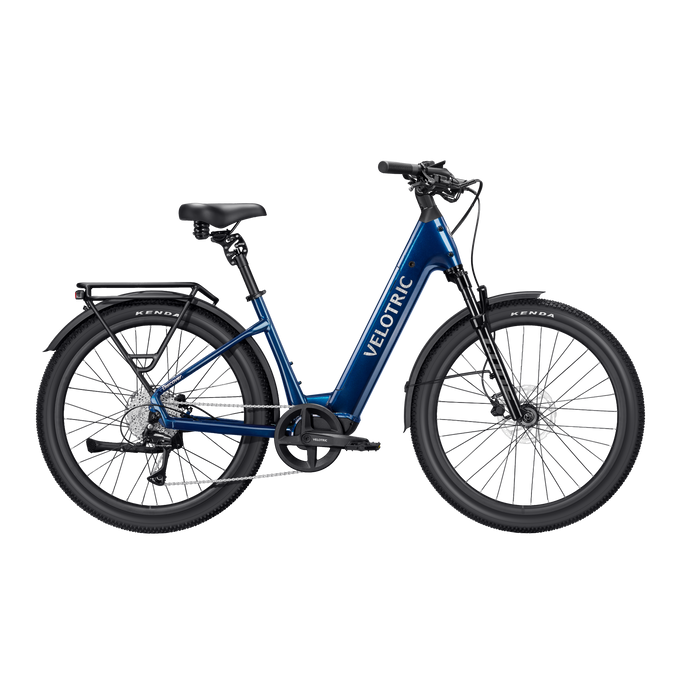
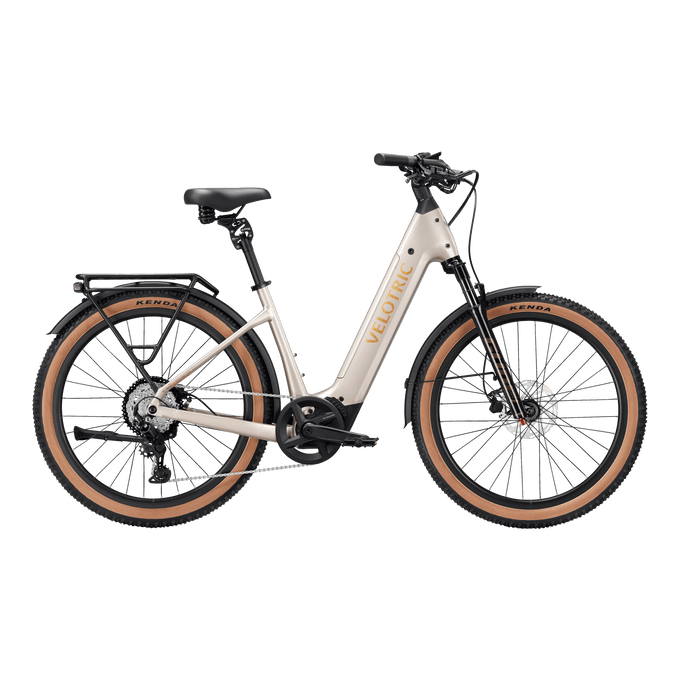
The Velotric Discover 3 suits riders who prioritize an upright position and cushioning for repeated daily trips. Its ComfortMax™ system, adjustable air suspension, and suspension seatpost help address the bumps and seated riding time that come with longer routes. Compare it with other electric commuter bikes around your distance, cargo needs, and preferred posture.
Relaxed Cruising and Easy Mounting
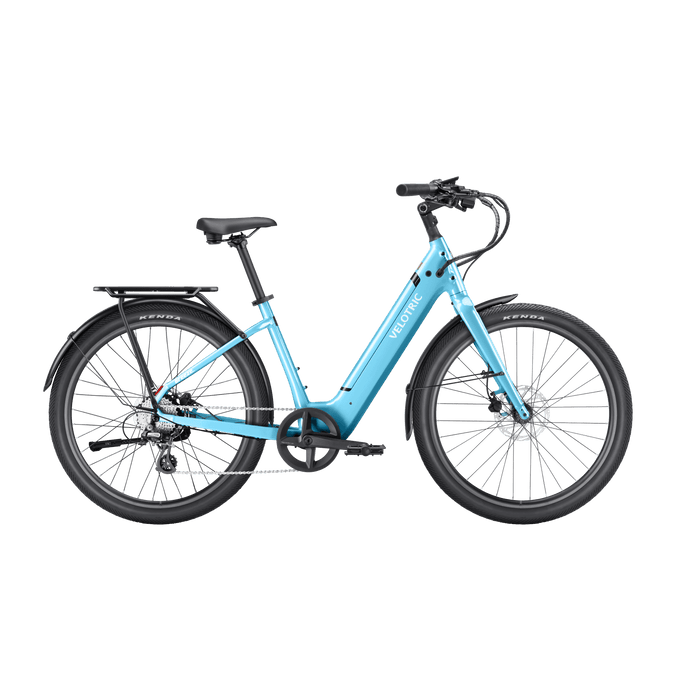
The Velotric Breeze 1 balances lighter handling with an upright cruiser riding position. Its step-through frame is worth considering for neighborhood rides, coffee stops, paved paths, and everyday errands. Compare our electric cruiser bikes and step-through electric bikes if relaxed comfort and accessible mounting are priorities.
Folding Storage and Travel
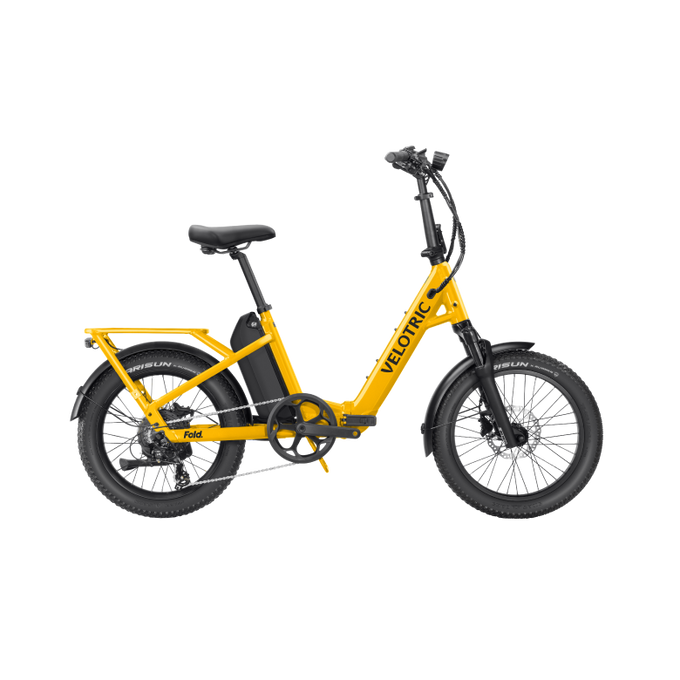
The Velotric Fold 1 Plus combines throttle assistance with a folding design for riders who need to fit an ebike into a smaller space. Measure your storage area and compare the folded dimensions before choosing. Folding reduces the bike's footprint, but you still need to consider its weight and how you will lift or move it. Explore more foldable electric bikes for storage-focused options.
Groceries, Errands, and Cargo
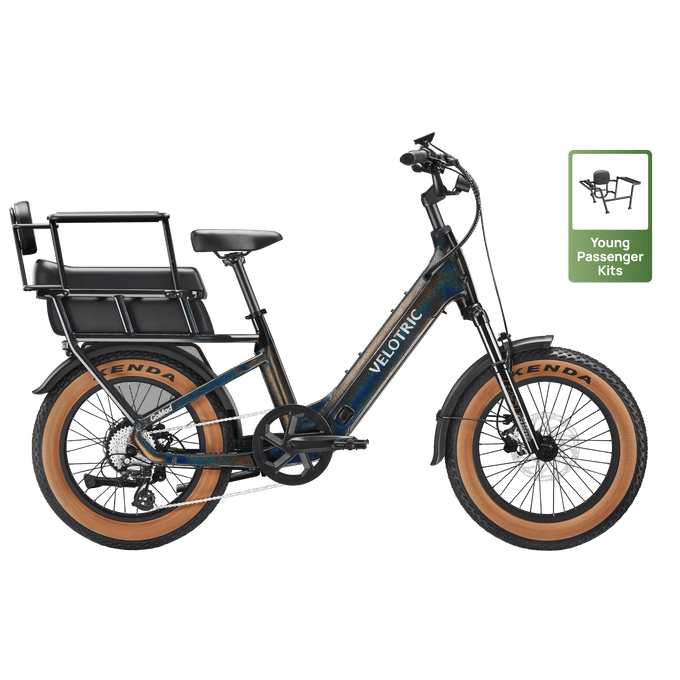
The Velotric GoMad is a compact utility option for riders who make carrying items a regular part of their day. Before selecting accessories, check total payload, rack capacity, and compatibility. A throttle can reduce pedaling effort when moving a load, while balanced packing and low-speed handling remain important. Compare our electric cargo bikes if carrying utility is central to your purchase.
Fat Tire Comfort and Outdoor Routes
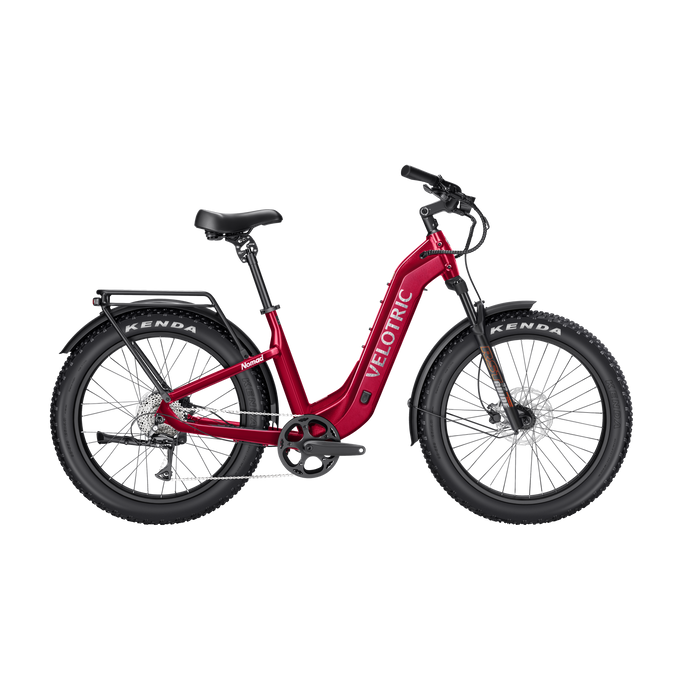
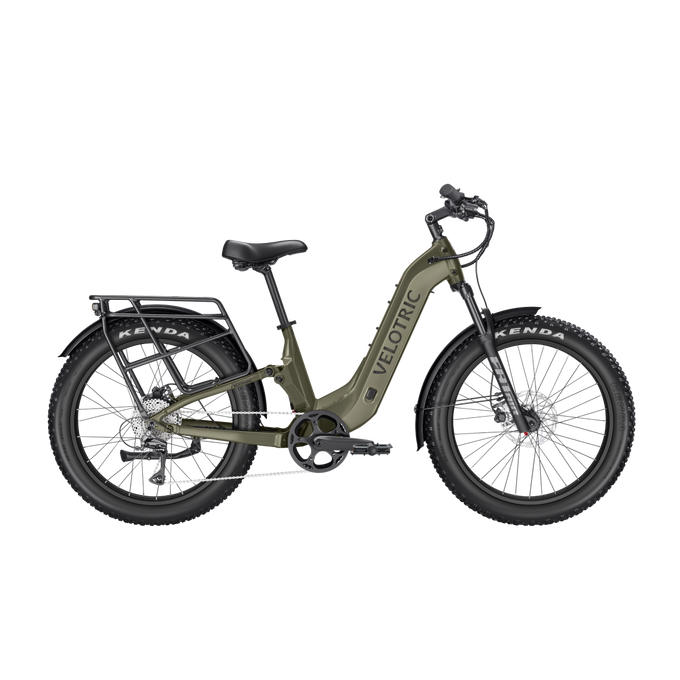
The Velotric Nomad 2X combines fat tires and full suspension for riders who value cushioning across varied outdoor surfaces. Its size and weight make it a different ownership choice from a lightweight city bike, particularly for lifting and indoor storage. Explore our fat tire ebikes and choose around the surfaces you actually ride, while checking route access separately.
Hilly Rides and Mid-Drive Assistance
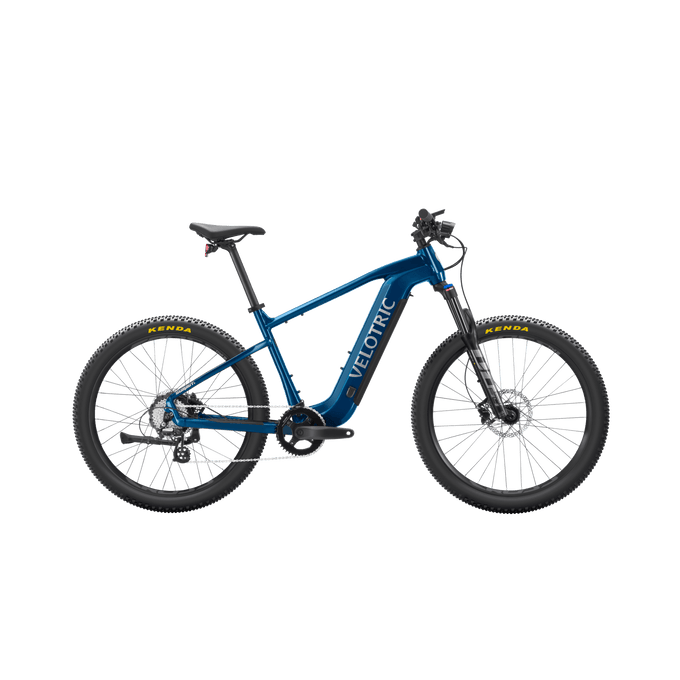
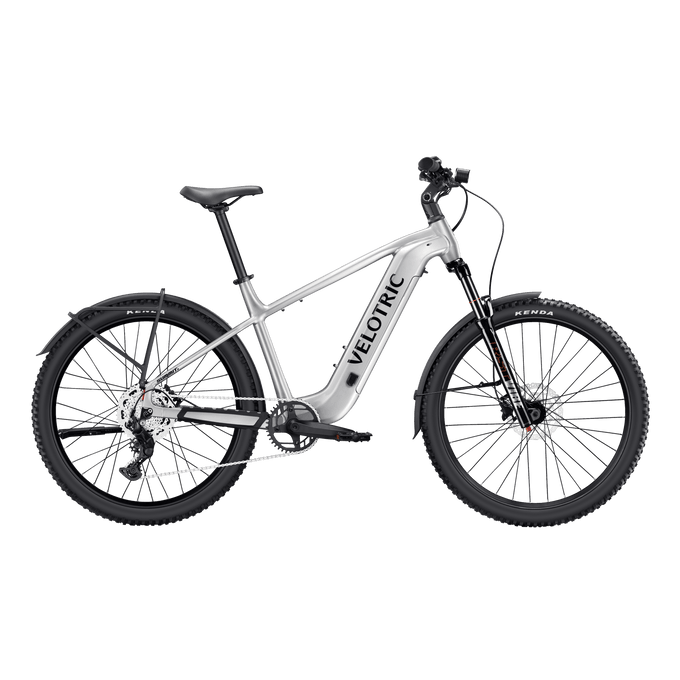
The Velotric Discover M offers a VeloCore™ mid-drive system with up to 100Nm of torque. For riders who pedal on changing terrain, a mid-drive works through the drivetrain, allowing the motor to benefit from appropriate gear selection. Compare our mid-drive electric bikes if this riding feel matters to you. Hill performance also depends on grade, rider and cargo weight, gearing, and how you use assistance.
Class 2 Ebike Range: Throttle vs. Pedal Assist
Maximum pedal-assist range does not tell you how far the same bike will travel using only the throttle. When you stop contributing pedal power, the motor must provide more of the effort needed to move the bike. Compare the two estimates separately and allow a reserve for the return trip.
For example, Tempo lists up to 60 miles of pedal-assist range and 40 miles of throttle range. Discover 3 lists up to 80 miles with pedal assist and 65 miles with throttle. These are advertised maximum figures under the manufacturer's stated test conditions, rather than guaranteed distances for every rider.
Hills, wind, temperature, tire pressure, speed, and load affect real-world results. Explore our long-range electric bikes or read the electric bike battery guide to compare capacity, charging, and riding needs.
Explore More Electric Bike Options
Hybrid Ebikes for Weekday Rides and Weekend Exploration
If you want one ebike for pavement, gravel connectors, and light recreational trails, compare our hybrid electric bikes. Tire tread, suspension, handling, and carrying equipment help determine how a model fits mixed use. Class 2 describes its assistance configuration; it does not establish off-road capability or trail permission.
Electric Bikes for Beginners, Women, and Older Riders
Choose around fit, balance, handling, and personal preferences. A throttle is convenient, but it does not make a bike automatically suitable for every new or older rider. Our electric bikes for women and electric bikes for seniors offer additional starting points. First-time riders can use our beginner riding guide to prepare for practice and a test ride.
Active Riding and Fitness
Having a throttle does not mean you need to use it throughout the ride. Pedal with lighter assistance when you want more involvement, then add support for a hill or the trip home. Explore our fitness ebikes if active riding is a priority, and compare pedal response as well as bike weight.
Budget and Long-Term Value
Compare the complete setup you need, including a helmet, suitable lock, storage accessories, and ongoing maintenance. A lower purchase price may not include the equipment you want for daily use. Browse Velotric ebike offers for current pricing and check each product page for included items. Use live prices rather than assuming a model always falls below a fixed budget.
Accessories and Care for a Throttle-Equipped Ebike
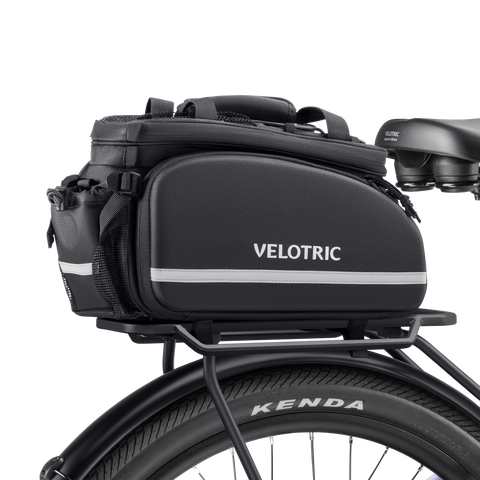
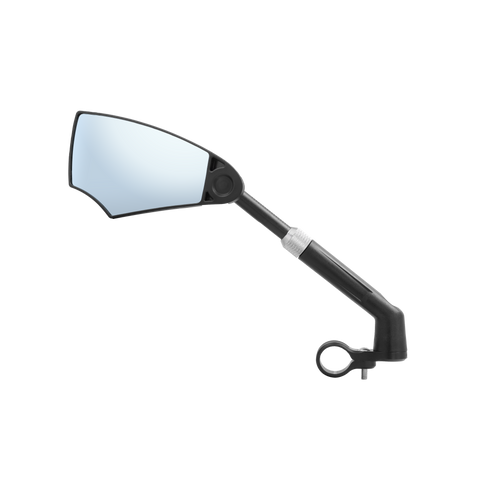
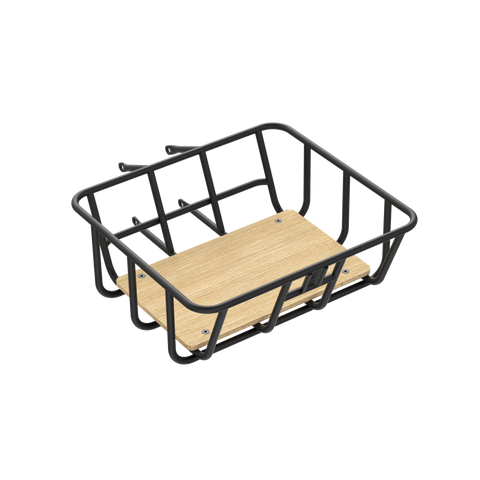
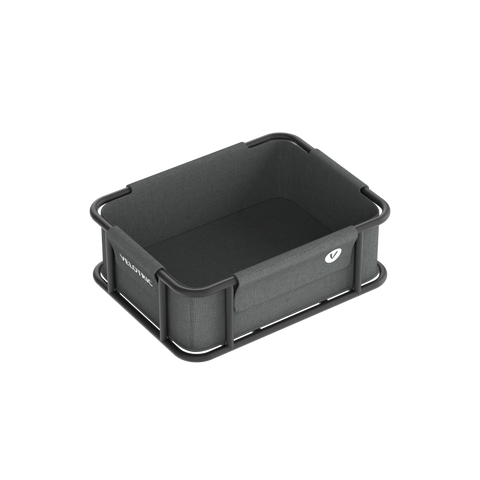
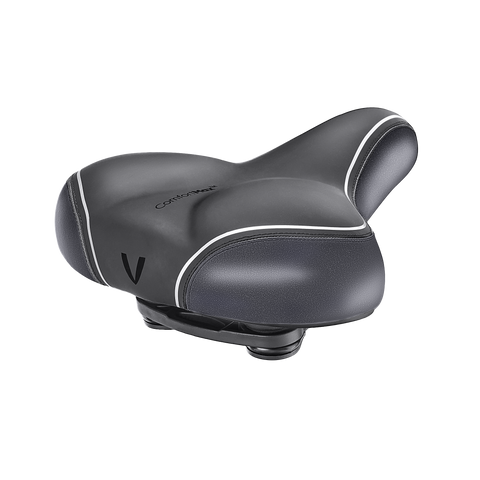
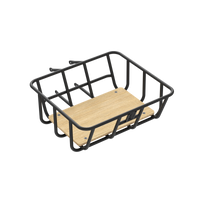
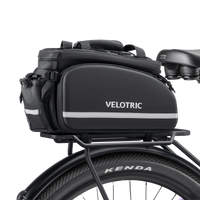
A compatible rack bag or basket can help carry everyday items, while lights, mirrors, and comfortable contact points can support your preferred riding setup. Browse Velotric ebike accessories and confirm compatibility and carrying limits for the selected model.
Regularly check tires, brakes, drivetrain condition, and fasteners using our ebike maintenance checklist. For wet-weather use, compare our water-resistant ebike options and follow the selected model's ratings and care instructions. Store and charge the battery according to its manual, including temperature requirements.












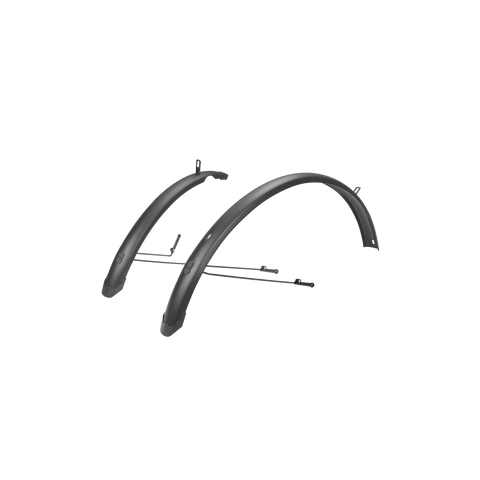
 Free Rear Rack & Fender (Worth $149.98)








 Read more
 Read more
 Read more