Best Class 3 Electric Bikes for Commuting and Longer Rides
A Class 3 ebike provides a higher pedal-assist speed limit for riders who want additional support on suitable roads. It can be useful for longer trips and open stretches where a lower assistance cutoff would otherwise leave more of the work to you. You still choose your pace according to the route, conditions, and your comfort level.
Explore Velotric Class 3-capable electric bikes across city, commuter, cruiser, folding, hybrid, and utility designs. Start with the riding experience you want, then compare fit, range, equipment, and the model's supported configuration.
What Is a Class 3 Ebike?
Under the commonly used U.S. three-class framework, a Class 3 electric bicycle provides pedal assistance with a cutoff at 28 mph. You pedal while the motor contributes support. The class describes how assistance operates, rather than requiring you to ride at the maximum supported speed.
A bike's available top speed and its current class configuration are different things. Check the selected model's instructions and applicable definitions, including throttle and equipment requirements. A higher-speed setting alone should not be treated as proof of legal classification.
Class 1 vs. Class 2 vs. Class 3 Ebikes
- Class 1. Pedal assistance cuts off at 20 mph, without independent throttle propulsion.
- Class 2. Throttle propulsion is available, with motor assistance cutting off at 20 mph.
- Class 3. Pedal assistance cuts off at 28 mph under the common framework.
Compare our Class 1 ebikes and Class 2 ebikes, or read our ebike class comparison. The most useful choice depends on the assistance you want and the routes you can use, as well as maximum assisted speed.
When Does a Class 3 Ebike Make Sense?
Class 3 riding is worth considering when your regular journeys include longer road sections where higher assisted speeds are appropriate and permitted. It may help you cover those sections with more motor support, while keeping the flexibility of a bicycle for parking and everyday travel.
For a short route with frequent intersections, crowded paths, or low speed limits, the higher cutoff may make less difference than comfort, easy starts, and manageable handling. Compare our electric commuter bikes around the whole trip, including stops, carrying needs, charging, and storage.
Class 3 capability can also serve recreational and active riders who want support across a wider range of road speeds. Explore our fitness ebikes if pedaling involvement matters to you. Having higher-speed assistance available does not remove the option to ride slowly or use lighter support.
Understanding Pedal Assist, Motors, and Gearing
Pedal Assist and Sensor Response
Pedal assist uses sensors and a controller to regulate motor support while you pedal. Torque sensing responds to pedaling force, while cadence sensing detects pedal rotation. The sensor system and tuning influence how smoothly assistance arrives and how closely it follows your effort. Selected Velotric models offer SensorSwap™, allowing you to choose between these responses.
Read our pedal-assist guide and torque vs. cadence sensor comparison. On a test ride, compare acceleration and changes in assistance at a manageable pace before building speed.
Hub Motors vs. Mid-Drive Motors
A hub motor drives a wheel directly, while a mid-drive motor delivers power through the drivetrain. On a mid-drive, choosing an appropriate gear affects the motor's working conditions as well as your own pedaling. Motor layout, torque delivery, controller settings, and load all influence climbing and acceleration; wattage alone does not establish riding quality.
Explore our mid-drive electric bikes and hub motor vs. mid-drive guide if your routes include frequent elevation changes or you prefer a particular power-delivery feel.
Assist Levels Are Different from Gears
The assistance setting changes how much support the motor supplies. Gears change the mechanical relationship between pedal rotation and wheel movement. Lower gears help you maintain a comfortable rhythm when climbing or starting, while higher gears suit faster riding on flatter ground. Use both systems together rather than relying on maximum assistance throughout the ride.
Battery Range at Higher Riding Speeds
A larger battery stores more energy, but it does not guarantee the same range across different bikes or riding conditions. Riding faster increases aerodynamic resistance and can raise motor energy demand. A route ridden near the upper assistance limit will generally use more energy than a comparable ride at moderate speeds.
Maximum advertised range is measured under stated test conditions. It should not be read as the distance you will achieve while riding at 28 mph. Hills, headwinds, colder temperatures, cargo, tire pressure, and your own pedaling contribution also affect the result. Plan for the complete round trip and a reserve.
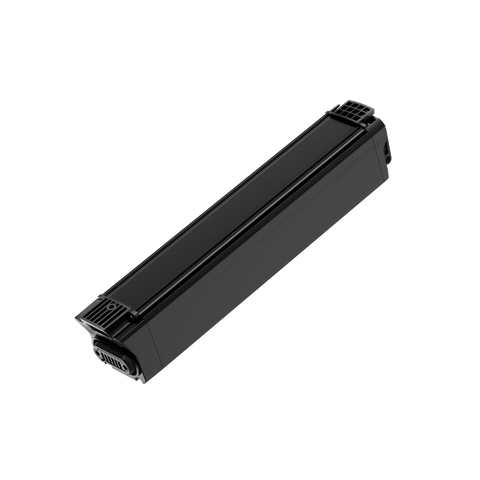
Compare our long-range electric bikes and electric bike battery guide. Consider charging access and battery removability alongside maximum mileage.
How to Choose the Best Class 3 Electric Bike
Look for a bike that feels comfortable and predictable across the speeds you actually use. A higher assistance limit is one feature within a complete riding setup.
- Fit and riding position. Check reach, standover clearance, saddle adjustment, and whether the position remains comfortable on longer rides.
- Braking control. Compare lever feel, modulation, equipment, and maintenance requirements. Allow more room to react and stop as speed rises.
- Tires and handling. Choose tread and tire volume for your normal surfaces. Follow the model and tire manufacturer's pressure guidance.
- Comfort equipment. Consider suspension and contact points together, rather than choosing solely by suspension travel.
- Daily practicality. Include lights, cargo compatibility, weight, storage, and charging in your comparison.
- Route suitability. Confirm access, equipment requirements, and speed limits for the places you intend to ride.
Use our ebike size guide, disc brake comparison, and suspension guide to explore these decisions.
Find a Velotric Class 3-Capable Ebike for Your Routine
Lightweight City Riding
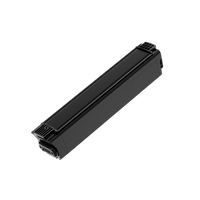
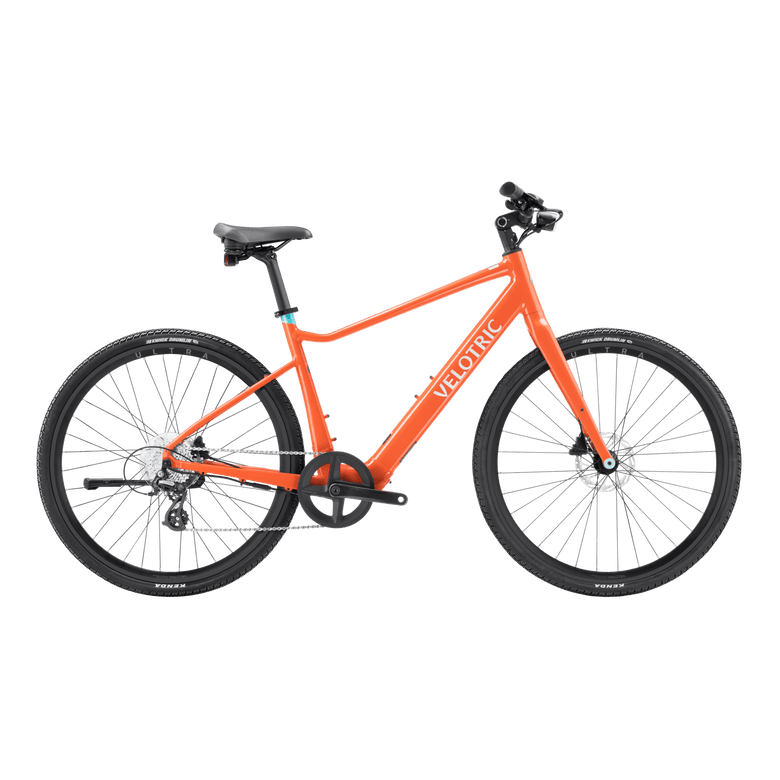
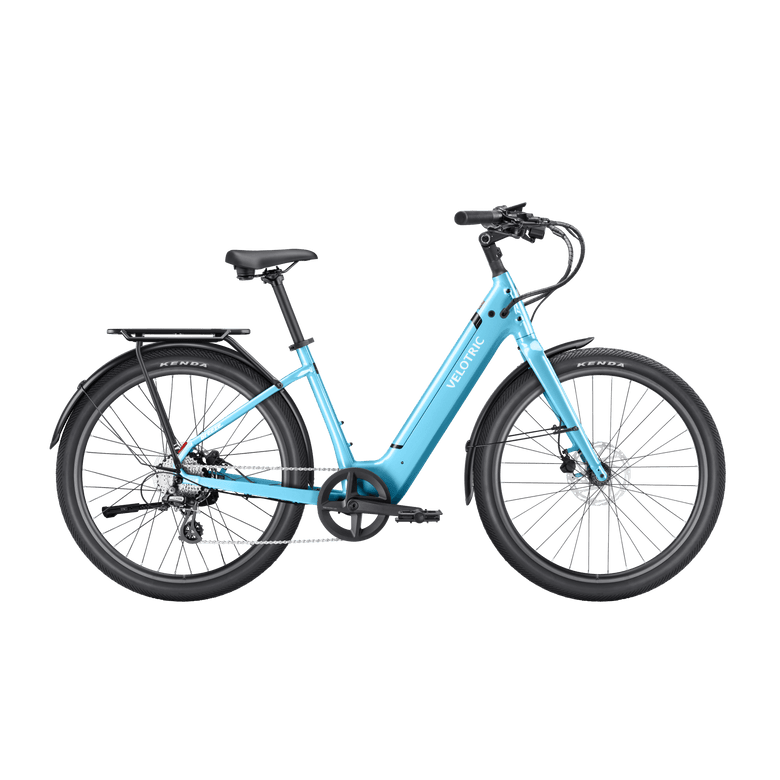
The Velotric Tempo combines a slim, bicycle-like design with a removable battery. It weighs 39 lbs with the battery and 34 lbs without it, making weight more manageable when lifting or storing the bike. The T1 ST Plus offers another city-focused option with torque sensing and no throttle. Compare our lightweight ebikes if handling and portability are priorities.
Comfortable Commuting and Longer Road Rides
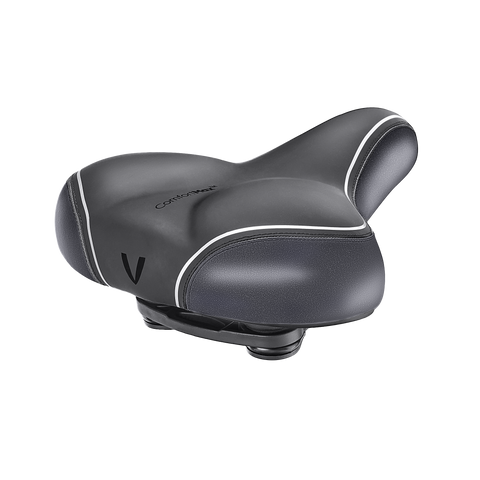
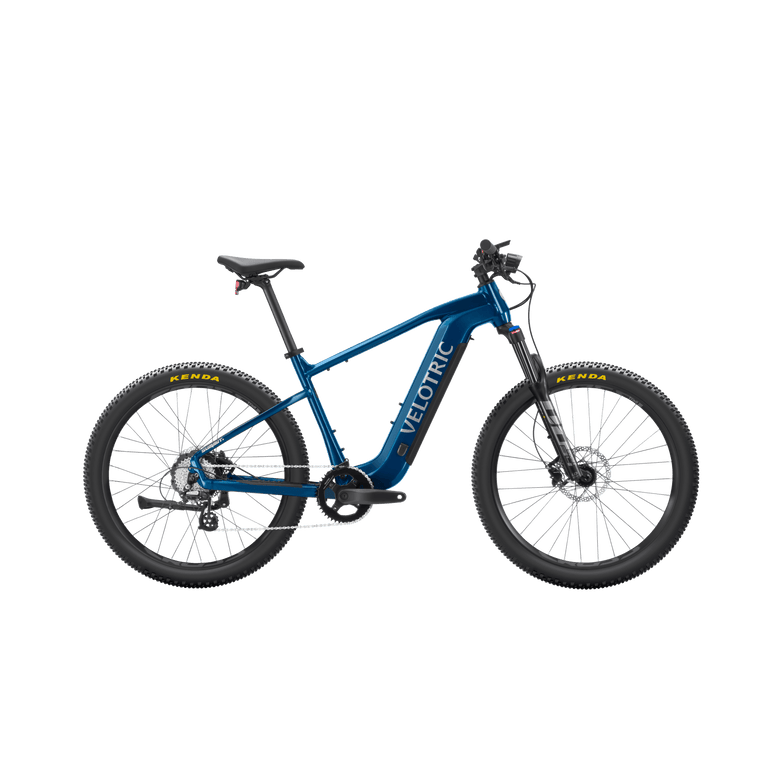
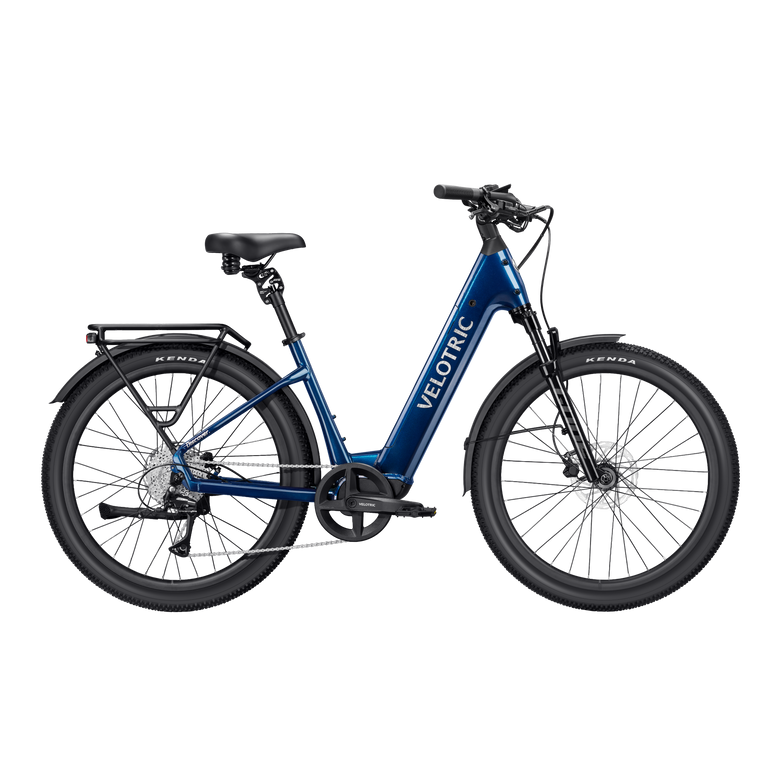
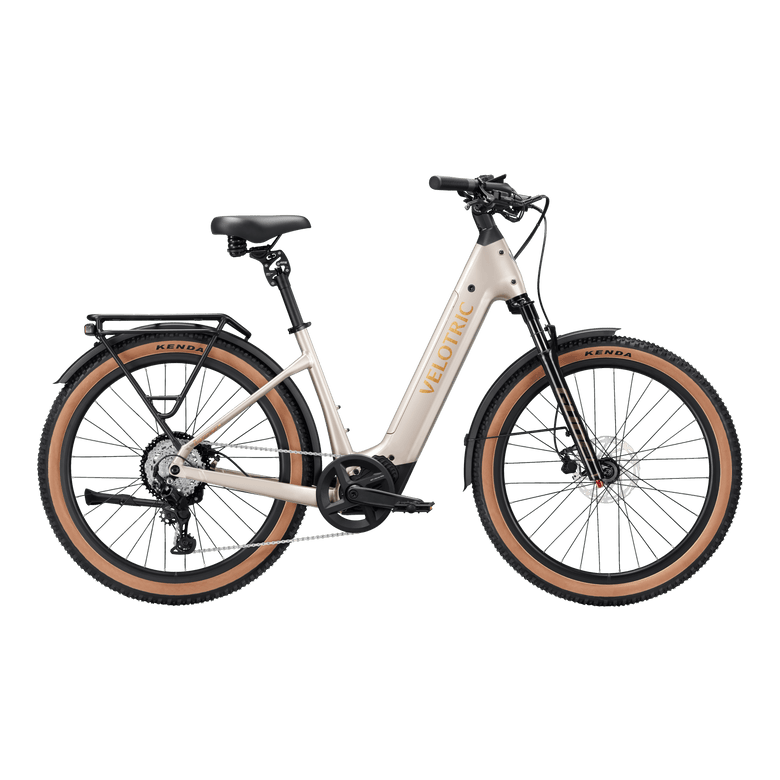
The Discover 3 emphasizes upright comfort through its ComfortMax™ system and suspension-supported setup. The Discover M adds a VeloCore™ mid-drive system for riders who want power delivered through the drivetrain. Compare riding feel, comfort, and battery needs across your full route.
Cruiser Comfort and Step-Through Access
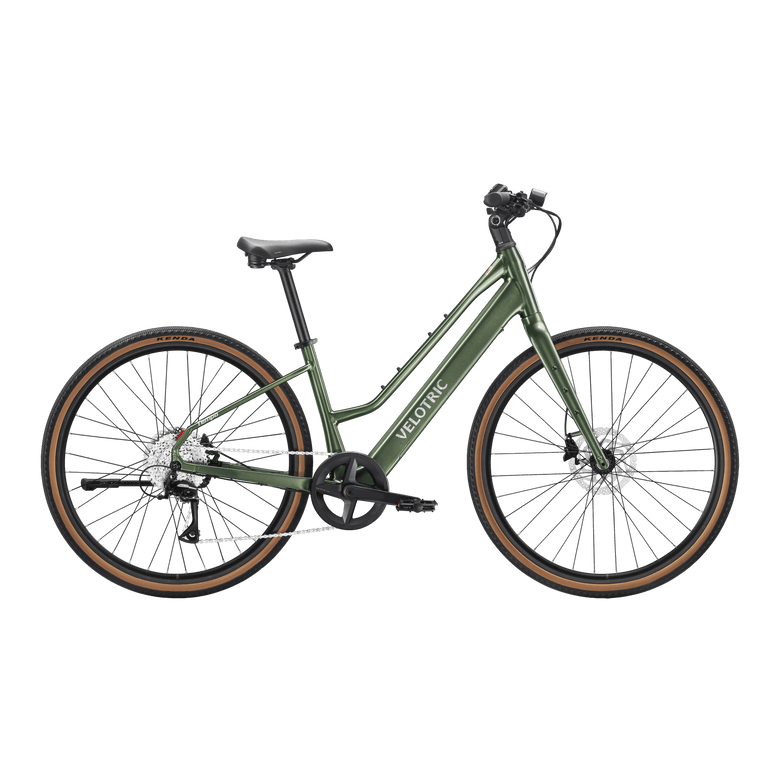
The Breeze 1 balances lighter cruiser handling with a relaxed riding position and step-through frame. Explore our electric cruiser bikes and step-through ebikes if comfortable everyday riding and mounting access matter more than an aggressive posture.
Hybrid and Fat Tire Riding
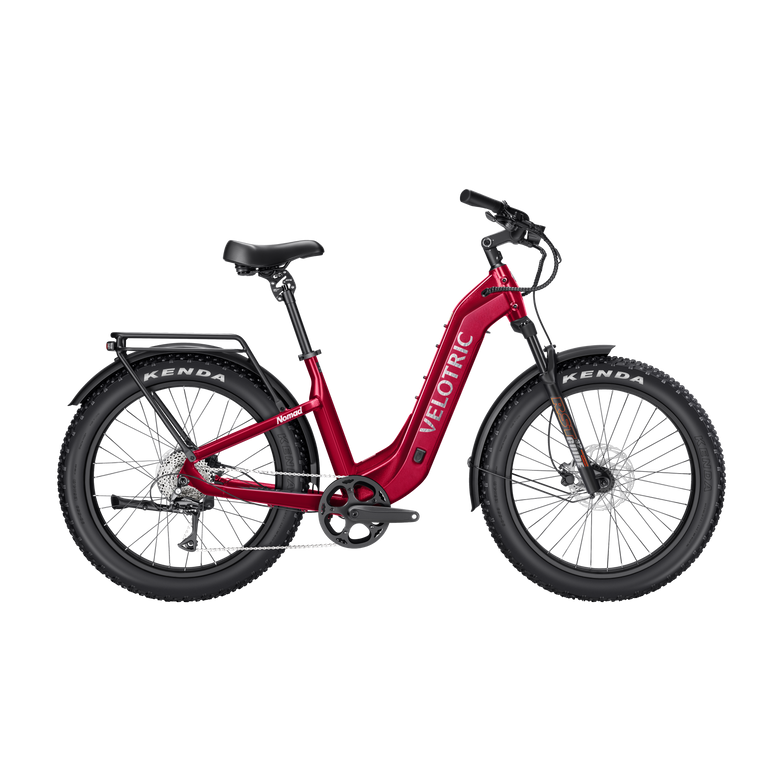
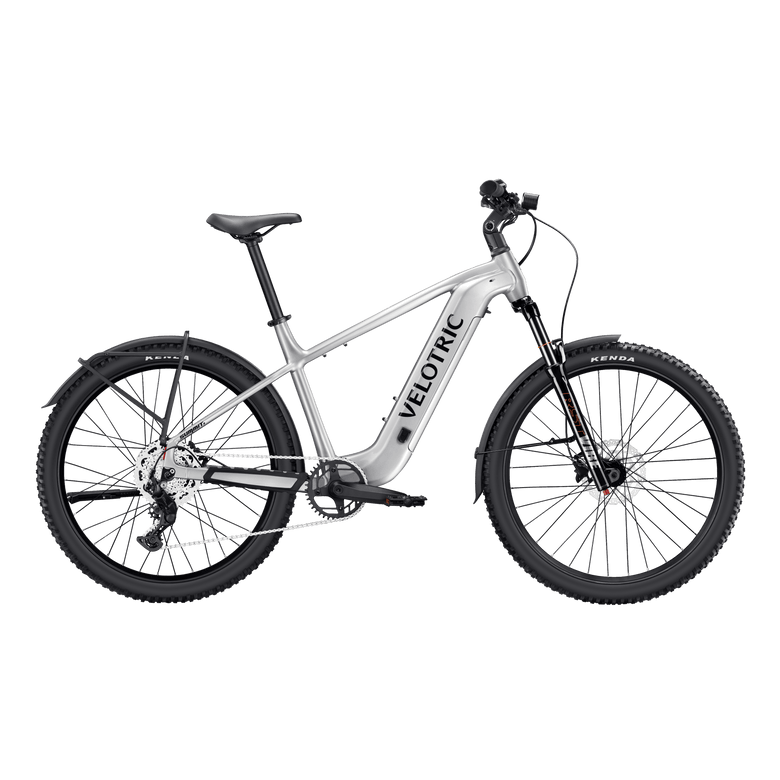
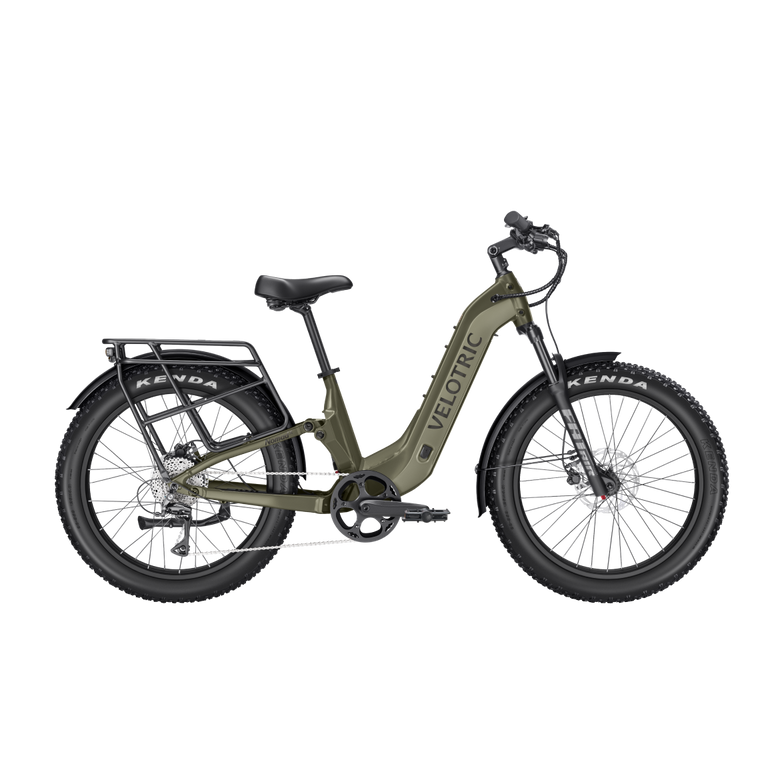
The Summit 2 suits riders comparing paved-road use with gravel connectors and light recreational trails. Explore our hybrid ebikes and fat tire electric bikes around your surfaces, suspension needs, and storage limits. A model's Class 3 capability does not mean higher-speed operation suits every surface or is permitted on every trail.
Folding Storage and Everyday Carrying
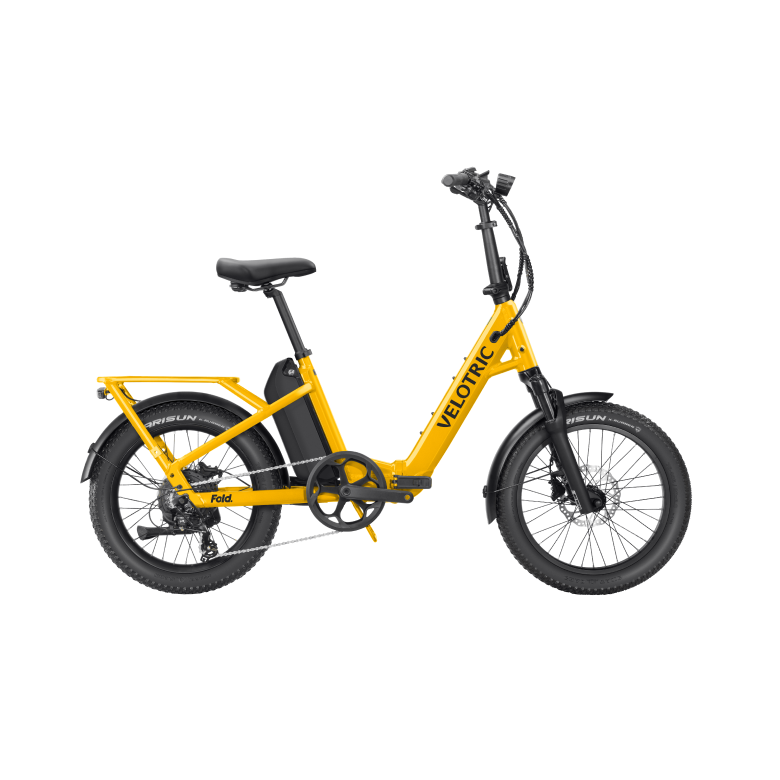
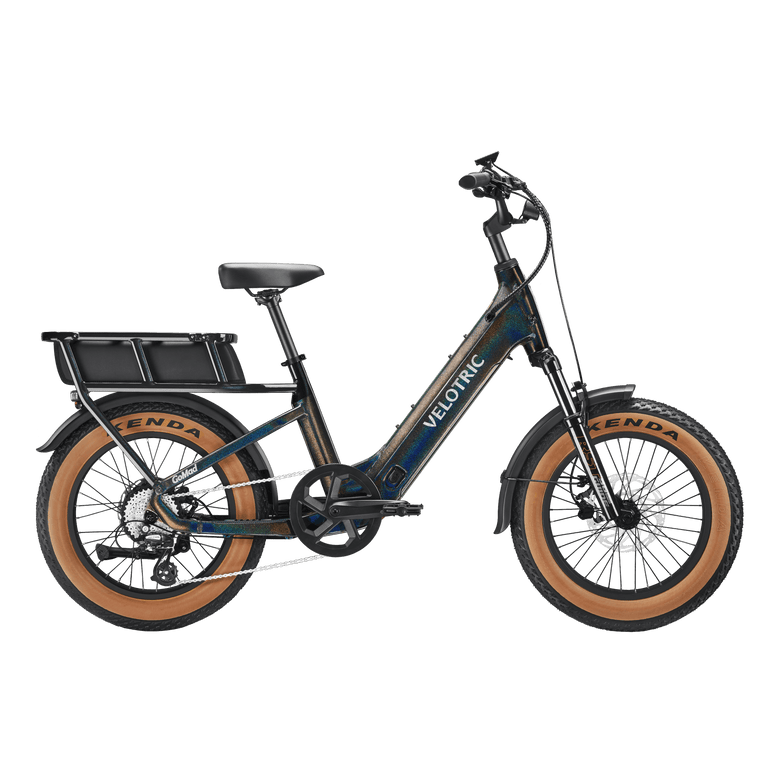
Our folding electric bikes offer storage flexibility, while cargo and utility ebikes prioritize carrying needs. Compare folded dimensions, lifting weight, payload, and compatible equipment. For loaded riding, assess balance and braking at low speeds before considering a faster pace.
Accessories, Maintenance, and Ownership Costs
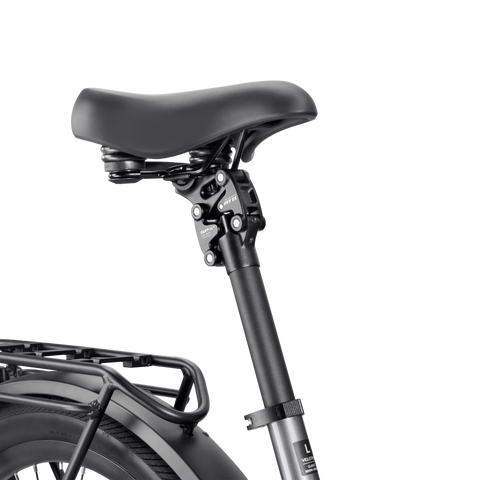
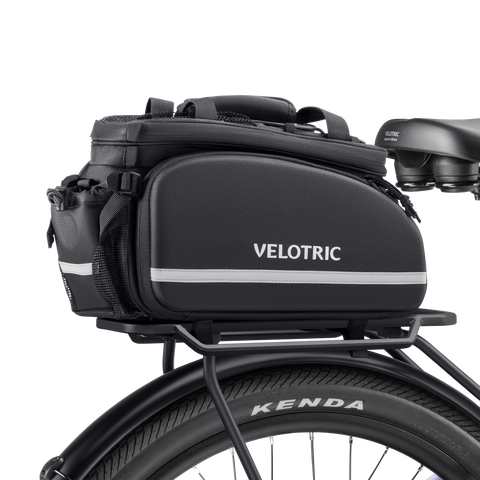
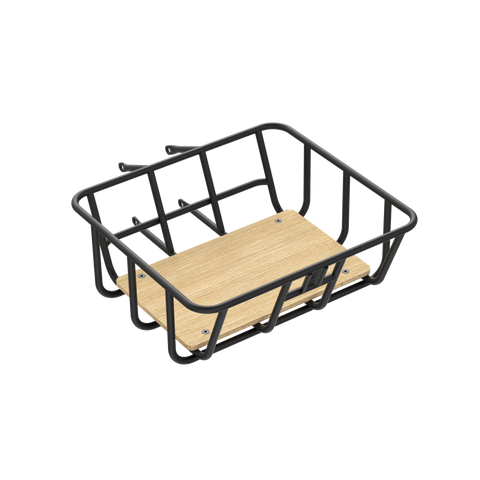
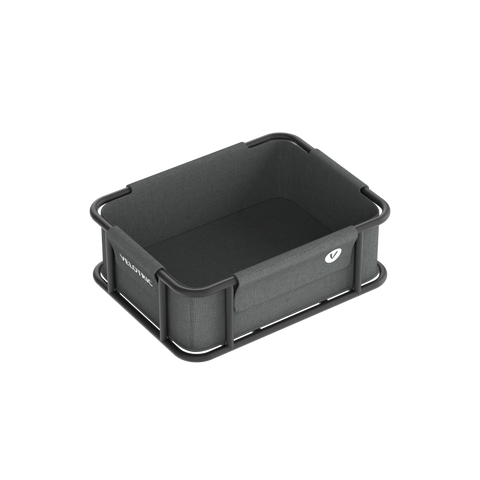
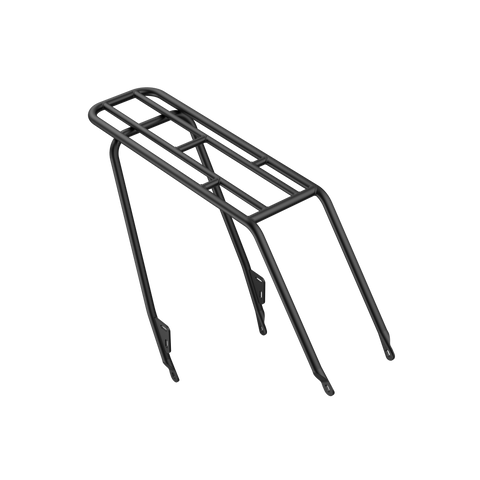
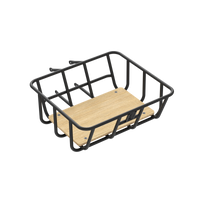
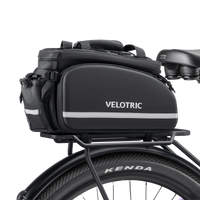
Plan your budget around the complete riding setup. A properly fitted helmet, suitable lock, and compatible carrying equipment are useful starting points. Compare Velotric ebike accessories and current ebike offers, checking included items, compatibility, warranty coverage, and return terms.
Routine care remains important regardless of class. Follow the model's inspection schedule for tires, brakes, drivetrain, and fasteners, along with its charging and storage instructions. Our maintenance checklist helps organize regular checks. For wet-weather riding, compare our water-resistant ebike options and follow the specific model's care guidance.
 Sales










 Save $239.99
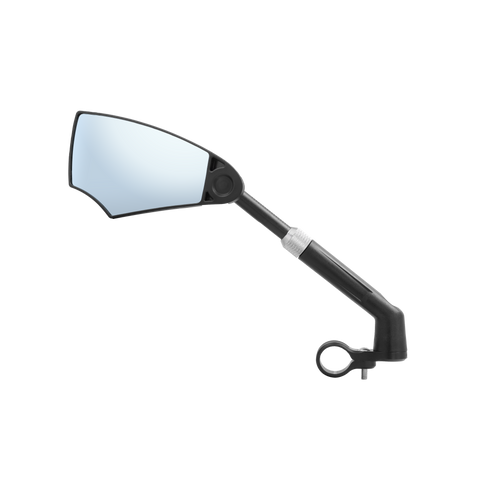
 Free Left Side Mirror (Worth $39.99)

 *Ebikes marked with "Black Friday Offer Guarantee" receive the same offer available on Black Friday. Others are covered by a 45-day Price Match Window.


 "Best Lightweight E-Bike"




 "Best Utility Fat Tire Electric Bike"

 "An All-Around Good Bike for Everywhere"
 "Best Electric Bikes For Heavier Riders 2026"
 "The perfect commuter bike? Velotric's Discover M makes its case."
 Read more
 Read more
 Read more