Best Electric Bikes for Snow: Explore Winter with Confidence
Snow doesn't have to end your cycling season. With suitable equipment, careful preparation, and the right riding conditions, electric bikes for snow can make winter commuting and outdoor adventures more enjoyable. From snowy neighborhood paths to packed winter trails, choosing a capable ebike starts with understanding traction, terrain, and cold-weather performance.
At Velotric, our snow electric bikes feature all-terrain capabilities, wide tires, and powerful pedal assistance to help riders navigate suitable winter routes. Explore our fat tire electric bikes designed for outdoor adventures and changing terrain.
What Makes an Electric Bike Good for Snow?
The best electric bike for snow should offer predictable handling, appropriate tires, and smooth power delivery. Unlike riding on dry pavement, winter cycling requires extra attention to grip, braking, and changing surface conditions.
Consider these essential features:
- Wide Fat Tires: Wider tires, such as 4.0-inch fat tires, can provide additional flotation and traction on certain snowy surfaces when properly inflated.
- Controlled Motor Assistance: Adjustable pedal-assist levels help riders start gently and reduce sudden wheel spin on slippery ground.
- Reliable Braking: Hydraulic disc brakes can provide consistent braking control, although actual stopping distance depends heavily on available tire traction.
- Suspension and Comfort: Front or full suspension can help absorb bumps and improve wheel contact over uneven, snow-covered terrain.
- Battery and Water Resistance: Look for reliable battery construction, appropriate IP-rated protection, and manufacturer guidance for cold-weather operation.
- Visibility Features: Bright front and rear lights, reflectors, and appropriate clothing are especially important during shorter winter days.
Can You Ride an Electric Bike in Different Snow Conditions?
Not all snow provides the same traction. Understanding the surface beneath your tires is essential before choosing your route.
- Fresh, Shallow Snow: Often manageable on familiar, relatively flat paths when the underlying surface is free of ice. Ride slowly and watch for hidden obstacles.
- Packed Snow: Can provide a more consistent riding surface, but polished or heavily compacted sections may become slippery, especially near intersections and corners.
- Wet Snow and Slush: Can make steering unpredictable and conceal potholes or ice. Reduce speed and avoid deep slush or standing water.
- Deep Snow: Creates additional rolling resistance and may make steering or forward progress difficult, even with fat tires and powerful motor assistance.
- Ice and Black Ice: Present a much greater risk than ordinary snow. Standard fat tires are not substitutes for dedicated studded winter tires. Avoid riding when widespread ice makes traction unpredictable.
How to Choose the Best Fat Tire Electric Bike for Snow
Choosing a winter electric bike means balancing traction, control, comfort, and battery performance.
- Tires and Tread: Look for tires suited to your typical snow conditions. Fat tires can help on soft snow, while compatible studded winter tires may be necessary for icy routes.
- Motor Response: Smooth power delivery matters more than maximum wattage. Sudden acceleration can spin the rear tire when traction is limited.
- Suspension: Consider front or full suspension for uneven winter trails, while remembering that suspension does not compensate for poor tire grip.
- Battery Range: Cold weather, soft snow, hills, and headwinds can reduce battery range. Choose enough capacity for your planned route with a comfortable reserve.
- Frame Fit and Handling: Make sure you can mount, stop, steer, and maneuver the bike confidently while wearing winter clothing.
- Winter Maintenance: Check the ease of cleaning the drivetrain, removing the battery, and protecting electrical connectors from moisture and road salt.
Essential Tips for Riding an Electric Bike in Snow
Even a capable fat tire ebike requires different riding habits in winter. These practical tips can help you maintain better control.
1. Start with Low Pedal Assistance
Select a low assistance level and pedal gently when starting. Avoid sudden throttle inputs, especially while turning or climbing. If the rear wheel spins, reduce power instead of accelerating harder.
2. Brake Earlier and Turn Gradually
Snow reduces available traction, which can increase stopping distances. Begin braking sooner, avoid abrupt steering movements, and keep the bike relatively upright through turns.
3. Check Tire Pressure Before Every Ride
Cold temperatures affect tire pressure. Follow the tire manufacturer's recommended range and adjust pressure for terrain and load when appropriate. Never assume that the lowest possible pressure provides the safest grip.
4. Prepare for Reduced Battery Range
Start with a properly charged battery and plan shorter routes than you would in warmer weather. Cold temperatures temporarily reduce battery performance, while snow and headwinds increase energy consumption.
5. Improve Your Visibility
Use front and rear lights, wear reflective clothing, and consider clear protective eyewear. Snowfall, fog, and shorter daylight hours can make it harder for drivers and other trail users to see you.
6. Clean and Dry Your Ebike After Riding
Remove snow, slush, and road salt with gentle cleaning methods. Dry the drivetrain and electrical connections, and lubricate the chain appropriately. Avoid pressure washers and make sure charging ports are completely dry before charging.
Important Winter Ebike Safety Notices
Before heading out, keep these precautions in mind:
- Avoid Dangerous Ice Conditions: Fat tires don't guarantee traction on ice. Postpone rides when black ice, freezing rain, or untreated steep hills create unpredictable conditions.
- Never Charge a Frozen or Wet Battery: Follow the manufacturer's charging-temperature limits. Allow a cold battery to warm naturally to an approved temperature before charging.
- Don't Assume Waterproof Means Submersible: IP-rated components offer specified water resistance, but deep water, prolonged exposure, and pressure washing can still cause problems.
- Allow Extra Stopping Distance: Ride below your usual speed and leave more room between yourself, vehicles, and other cyclists.
- Wear Proper Winter Protection: Use a helmet, full-finger gloves, suitable footwear, and layered clothing that keeps you warm without restricting movement.
- Know When Not to Ride: Heavy snowfall, poor visibility, severe wind chill, widespread ice, and difficult road conditions may make postponing your trip the safest decision.
For battery care, cleaning, and storage recommendations, read our Electric Bike Winter Maintenance Guide.
Explore Velotric's Best Electric Bikes for Snow
Velotric offers fat tire electric bikes designed for riders who want capable performance across snow-covered paths and varied outdoor terrain.
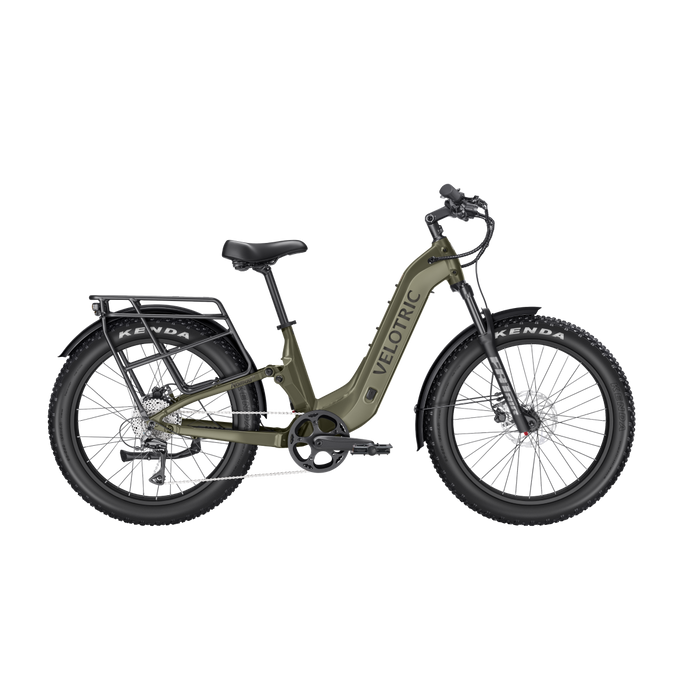
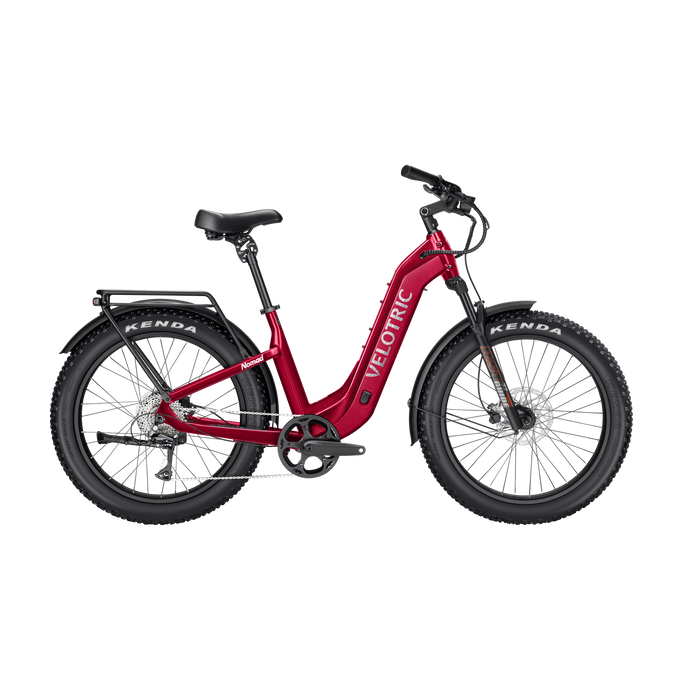
- Velotric Nomad 2X – Best for Full-Suspension Winter Adventures: Featuring 26 × 4.0-inch fat tires, a 750W motor with 105 Nm of torque, and full air suspension with 120 mm front and 80 mm rear travel, Nomad 2X is designed for demanding outdoor terrain. Its adjustable assistance and suspension make it a capable choice for suitable snowy trails, while its IP-rated electrical protection helps with wet winter conditions.
- Velotric Nomad 2 – Best for Everyday Snow and All-Terrain Riding: Equipped with 26 × 4.0-inch fat tires, a 750W motor delivering 90 Nm of torque, and front suspension, Nomad 2 balances rugged capability with everyday practicality. Its SensorSwap™ technology allows riders to select different pedal-assist responses for their preferred riding conditions.
Whether you're commuting through a snowy neighborhood or exploring packed winter trails, choose an electric bike that matches your terrain, riding experience, and winter conditions.
Explore Velotric's electric bikes for snow and enjoy winter cycling with the right preparation, equipment, and riding techniques.








 Free Green LED Flashlight (Worth $50)



 Read more
 Read more
 Read more