


Updated for 2026: This guide reflects the latest U.S. electric bike classification standards.
As electric bikes continue to grow in popularity across the United States, more riders are paying attention to ebike laws, regulations, and the key differences between Class 1, Class 2, and Class 3 models. Questions about speed limits, throttle functions, and where different types of ebikes can legally be ridden have become increasingly common.
Known as the 3-Class Ebike System, these classifications help define how fast an electric bike can assist you, whether it includes a throttle, and where you're legally allowed to ride. Understanding these categories is essential if you want to choose the right ebike for commuting, fitness, leisure, or weekend adventures.
Whether you're comparing different ebikes, or simply trying to understand the difference between ebike classes, this guide breaks everything down in a clear and rider-friendly way.
What Defines an Ebike?
In the United States, an electric bike is generally recognized as a bicycle equipped with fully operable pedals and an electric motor that provides assistance up to certain speed limits. Factors such as motor power, throttle capability, and top assisted speed all play a role in determining how an ebike is classified.
Requirements can vary from state to state, with each jurisdiction setting its own rules regarding speed limits, age restrictions, helmet requirements, and where different classes of ebikes are permitted.
What Are Ebike Classes?
Ebike classes are standardized categories (Class 1, Class 2, Class 3) that define how fast an electric bike can assist you and whether it includes throttle functionality. These classifications determine where you can legally ride and which model fits your needs.
The Difference Between Class 1, 2, and 3
| Feature | Class 1 Ebike | Class 2 Ebike | Class 3 Ebike |
|---|---|---|---|
| Max Assist Speed | 20 mph (PAS only) | 20 mph (PAS + throttle) | 28 mph (PAS only) |
| Throttle | ❌ No | ✅ Yes | ❌ No |
| Age Requirement | None | None | Often 16+ (varies by state) |
| Typical Use Case | Urban commuting | All-around convenience | Fast commuting |
| Bike Paths Access | Widely Allowed | Widely Allowed | More Restrictions |
* Some Class 3 ebikes may include a throttle, depending on the manufacturer and state regulations.
These classifications influence access to bike paths and trails, as well as state and local requirements related to age restrictions, helmet use, and other safety regulations. Below, we take a deeper look at each class and help you decide which one fits your needs.
Class 1 Ebikes: Smooth, Controlled Pedal Assist (Up to 20 mph)
Class 1 ebikes are often considered the most natural and beginner-friendly type of electric bike. Instead of taking over the ride, they simply provide a gentle boost while you pedal, making hills feel easier and longer rides more enjoyable without changing the traditional cycling experience.
Because they deliver power in a smooth and controlled way, Class 1 ebikes are popular among commuters, casual riders, and outdoor enthusiasts who want extra assistance without sacrificing the feeling of riding a regular bicycle. For many riders, a Class 1 ebike offers the perfect balance between exercise, comfort, and convenience.

Class 1 electric bicycles are the most widely accepted ebikes. In many states, like California, Class 1 ebikes are permitted in almost all the same places as traditional bicycles, but exceptions exist. Some localities still see ebikes more as motor vehicles and only allow them on motor trails.
Benefits and limitations of Class 1 ebikes
Benefits
- Greater acceptance: Widely accepted on many bike paths and multi-use trails
- A more efficient motor: Delivers a natural riding experience with efficient pedal assist
- Anyone can ride: Ideal for fitness, commuting, and recreational riding
Limitations
- Pedaling is always required, as there is no throttle
- Assistance stops once you reach 20 mph
Who Is Class 1 Best For?
Class 1 ebikes are ideal for commuters, recreational riders, and anyone who wants the feel of a traditional bicycle with a little extra help. They offer a smooth, low-stress riding experience while still encouraging exercise and active riding.
Class 2 Ebikes: Convenience With Throttle + Pedal Assist (Up to 20 mph)
Class 2 ebikes offer a little extra flexibility for riders who want assistance beyond pedaling alone. Thanks to their throttle capability, they can provide power on demand, making it easier to start from a stop, tackle short hills, or simply take a break when your legs need it.

This added convenience makes Class 2 ebikes especially popular for urban commuting, running errands, and relaxed weekend rides. They strike a balance between the familiar feel of a traditional bicycle and the effortless experience that many riders appreciate from electric mobility.
Benefits and limitations of Class 2 ebikes
Benefits
- Greater versatility: Throttle assistance makes starting, climbing hills, and cruising easier.
- Reduced effort: Riders can take a break from pedaling when needed.
Limitations
- Less battery efficiency: Frequent throttle use can shorten range.
- 20 mph assistance limit: Motor support cuts off once you reach 20 mph.
Who Is Class 2 Best For?
Class 2 ebikes are ideal for riders who value comfort and convenience. They're especially well suited for urban commuting, running errands, and relaxed weekend rides. For those who appreciate the option to cruise without constantly pedaling, Class 2 offers an excellent balance of simplicity and versatility.
Class 3 Ebikes: High-Speed Performance (Up to 28 mph)
Class 3 ebikes are designed for riders who want more speed, power, and versatility. With pedal assistance available up to 28 mph, they make it easier to cover longer distances, tackle challenging terrain, and enjoy a more capable riding experience without excessive effort. If you want to learn how to unlock your ebike speed limit, check out our guide for more details.

For many riders, Class 3 ebikes strike the perfect balance between the freedom of cycling and the convenience of electric assistance. They're popular among commuters, adventure seekers, and experienced cyclists alike, offering the confidence to handle everything from daily errands to weekend explorations. While the added speed opens up new possibilities, it also comes with additional regulations and restrictions in certain areas.
Benefits and limitations of Class 3 ebikes
Benefits
- Higher speeds: Pedal assistance up to 28 mph makes longer rides and demanding routes easier. Check out our guide on how to make an ebike faster.
- Greater capability: Ideal for long-distance riding, steep climbs, and all-around versatility.
- Enhanced efficiency: Cover more ground with less effort, whether commuting or exploring.
Limitations
- More restrictions: Access to certain bike paths and trails may be limited.
- Higher cost: More powerful systems often come with a higher price tag.
- Additional safety requirements: Some states impose age limits or require helmets for Class 3 riders.
Who Is Class 3 Best For?
Class 3 ebikes are ideal for riders who want maximum performance and versatility. They're a great fit for long-distance commuters, experienced cyclists, and adventure seekers who value speed, climbing power, and the freedom to tackle a wide variety of terrain. For those looking to go farther and ride with confidence, Class 3 offers the most capable experience of the three ebike classes.
Where Can You Ride Each Ebike Class?
While most U.S. states follow the same three-class system, path access varies:
| Ebike Class | Bike Lanes | Shared Paths | Roads | MTB Trails |
|---|---|---|---|---|
| Class 1 | ✔️ Yes | ✔️ Yes | ✔️ Yes | Sometimes |
| Class 2 | ✔️ Yes | ✔️ Often | ✔️ Yes | Rarely |
| Class 3 | ✔️ Yes | ⚠️ Sometimes restricted | ✔️ Yes | No |
Always check your local regulations—many states are updating ebike rules each year.
Choosing the Right Ebike Class for Your Riding Style
With different types of ebikes, how can you choose the right one for you? The first step in choosing an ebike class is deciding your needs.

If you want to hit the nature trails, a Class 1 ebike is allowed in more places. If you want to drift along a bike path without pedaling as hard, a Class 2 ebike with throttle assist can help you. If you want to commute to work at maximum speed, a Class 3 bike will get you there.
Just remember that not all classes of ebikes are allowed everywhere. If you plan on riding your ebike somewhere, it’s a good idea to check with the land management there to see if it’s OK. And wherever you ride, protect your head — whether your state has specific helmet laws.
Choose the Velotric Ebike That Fits Your Needs
Understanding the differences between Class 1, Class 2, and Class 3 ebikes is the key to choosing a model that fits your lifestyle, riding preferences, and local regulations. Whether you value the natural feel of pedal assist, the convenience of throttle control, or the added speed and versatility of a high-performance ride, each class offers unique advantages for different types of riders.
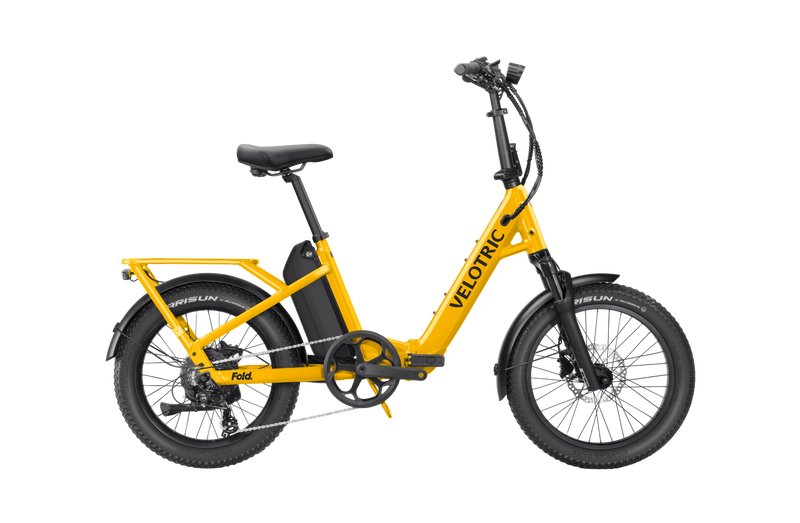
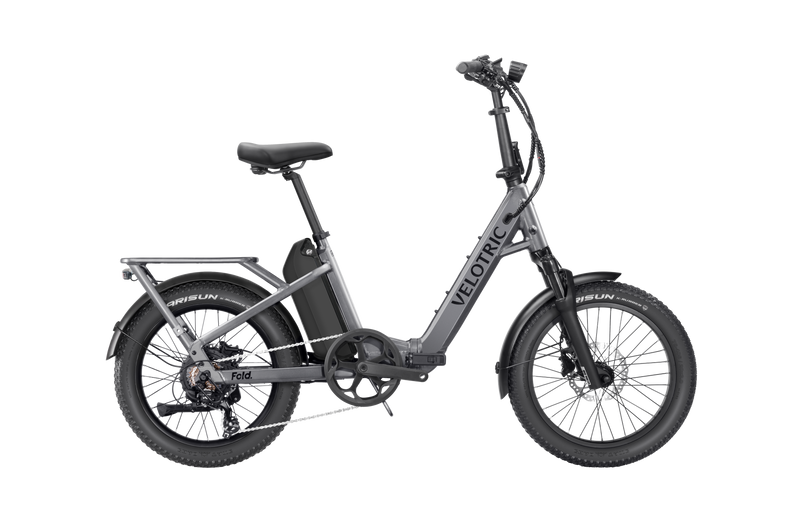
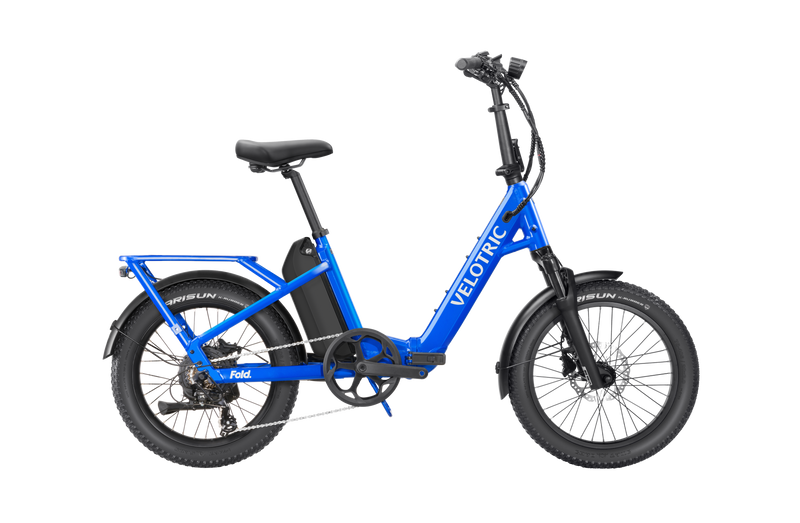
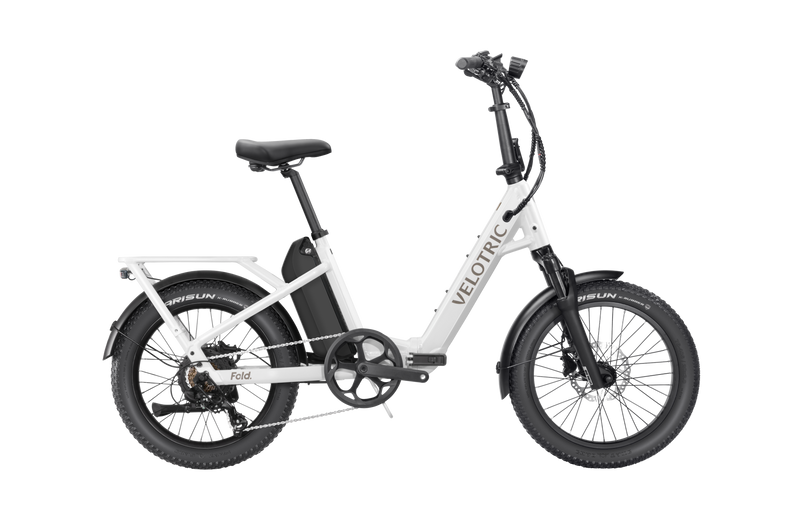
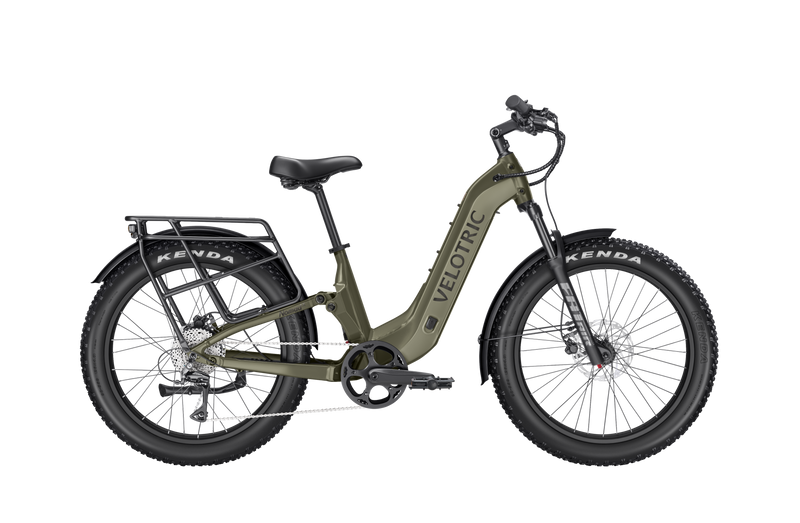
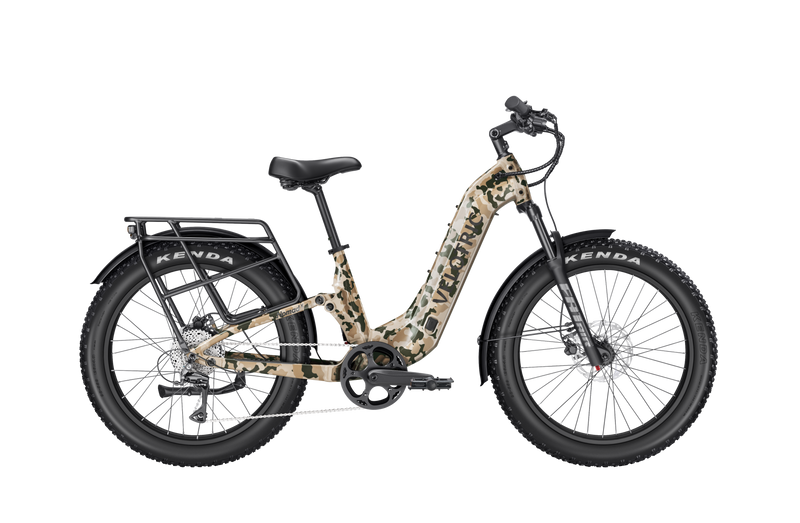
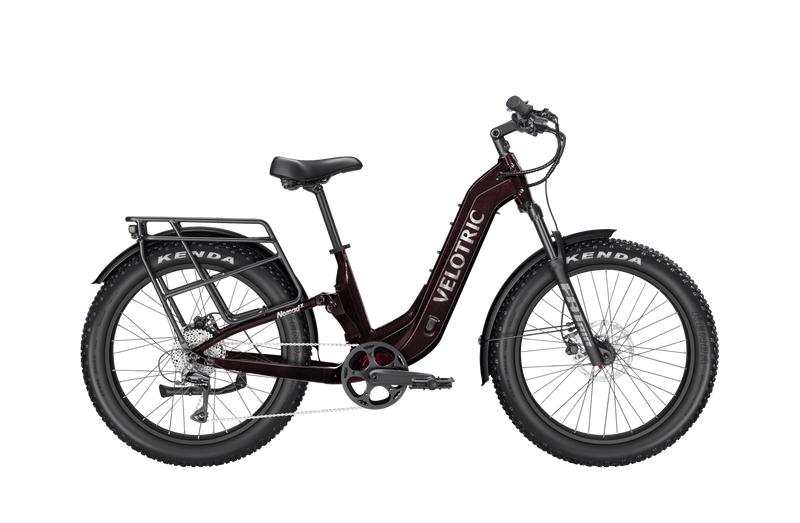
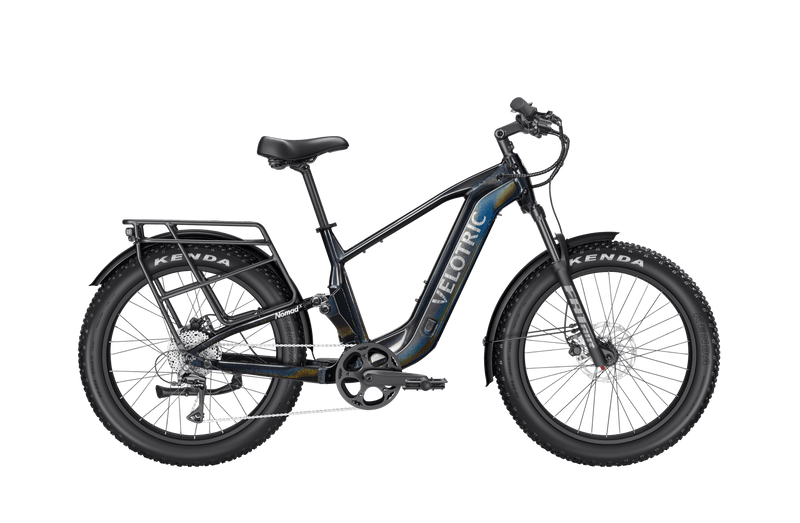
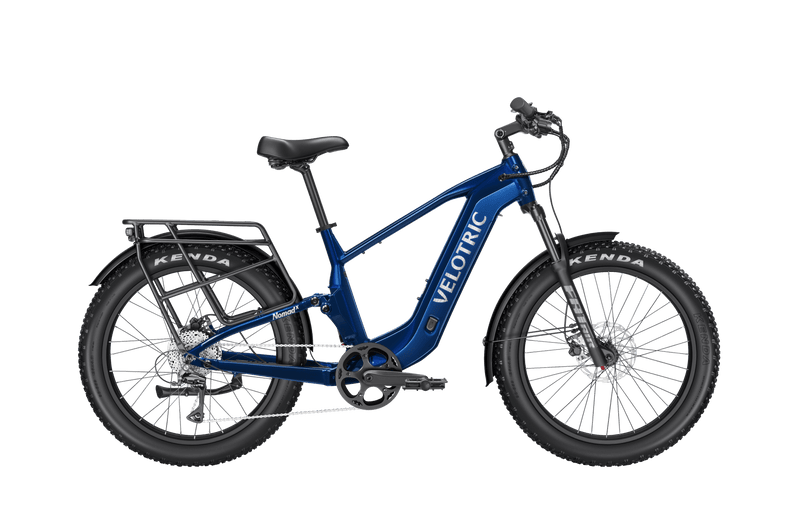
No matter where your adventures take you, Velotric has an ebike designed to match your needs. From the lightweight and intuitive Tempo, to the compact and convenient Fold 1 Plus, to the versatile, go-anywhere Nomad 2X, there's a Velotric ebike built for every journey. Explore the lineup and discover the ride that fits the way you move.