



Off-road riding is not defined by a single type of trail. One route may include packed dirt and gravel, while another brings loose sand, snow, roots, ruts, or steep climbs. Weather can change quickly, charging may be unavailable, and outdoor equipment can add considerable weight to the ride.
A capable off-road electric bike therefore needs more than a powerful motor. Its suspension, tires, power delivery, brakes, battery, and carrying capacity must work together when the surface becomes less predictable.
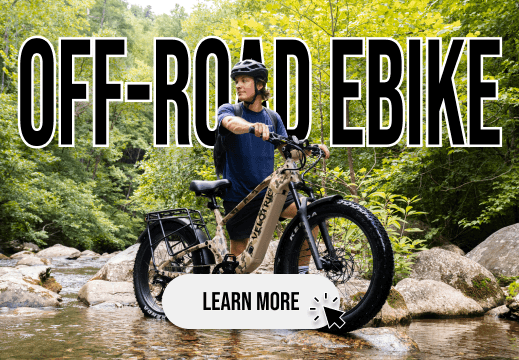
The Velotric Nomad 2X is designed around this combination. Built as a full-suspension fat tire eBike, it supports riders who regularly leave pavement behind, carry substantial outdoor gear, or need greater stability and support across demanding terrain.
What Should You Look for in an Off-Road Electric Bike?
Off-road riders often face conditions that are difficult to predict, from changing terrain and steep elevation to sudden weather shifts and routes far from convenient support. The best off-road electric bike for a particular rider should help manage these variables with greater control, stability, range, and confidence.
Before comparing individual models, consider how the following areas relate to the routes you actually plan to ride.
- Suspension: A suspension system can reduce repeated impacts from rocks, roots, ruts, and broken surfaces. Front suspension may be sufficient for maintained dirt roads, while full suspension can provide additional support on continuously uneven terrain.
- Terrain-appropriate tires: Wider tires can increase stability and flotation on loose or soft surfaces. Tire width, tread, casing, and pressure should all match the conditions rather than being chosen for appearance alone.
- Torque and power delivery: Off-road assistance should support controlled starts, sustained climbs, and changing terrain. Maximum wattage matters less if the power is difficult to manage when traction is limited.
- Reliable braking: Descents, wet surfaces, loose gravel, and added cargo all increase braking demands. Hydraulic disc brakes generally provide more consistent modulation than basic mechanical systems.
- Practical battery capacity: Longer routes may take riders far from convenient charging. Published range is useful for comparison, but actual planning should account for terrain, elevation, temperature, assistance level, and total ride weight.
- Weather protection: Off-road rides may continue through dust, rain, mud, or rapidly changing conditions. Water-resistant electrical components and certified battery systems add practical protection for outdoor use.
- Cargo support: Campers, hunters, anglers, and overlanders may need to carry equipment that cannot comfortably fit in a backpack. Total payload and rear-rack ratings should be considered separately.
The importance of each feature depends on where and how you ride. A maintained gravel road may not require the same setup as sand, snow, rocky forest trails, or equipment-heavy backcountry trips. A strong off-road electric bike combines the capabilities relevant to its intended terrain rather than relying on one oversized specification.
How Nomad 2X Is Built for Real Off-Road Demands
The Velotric Nomad 2X brings these capabilities together in a full-suspension fat tire platform. Each major component addresses a different challenge, from maintaining traction on loose ground to carrying equipment over longer distances.
Full Air Suspension for Repeated Rough Terrain
Nomad 2X uses a full air suspension system with a 120mm adjustable front air fork and 80mm of rear-wheel travel. The front fork manages impacts as the front wheel reaches rocks, roots, and holes, while the rear suspension helps reduce the repeated movement transferred through the back of the bike.

Working together, the two suspension points help the wheels maintain more consistent contact with uneven ground while improving comfort across gravel, forest roads, rutted paths, and repeated trail impacts. Air pressure and rebound can also be adjusted according to rider weight, cargo, terrain, and preferred ride feel.
Four-Inch Fat Tires for Loose and Soft Surfaces
Suspension manages vertical movement, but the tires determine how the bike interacts with the surface. Nomad 2X is equipped with Kenda 26 × 4.0-inch puncture-resistant fat tires, which provide a wider contact area and greater air volume than conventional commuter or hybrid tires.

This design can provide more flotation and stability on loose gravel, sand, snow, mud, soft soil, and uneven forest surfaces. Fat tires do not remove the need to choose a safe line or use appropriate pressure, especially on wet roots, deep mud, or unstable rocks. Their advantage is providing a more stable foundation when the ground shifts or compresses beneath the bike.
Learn more about Velotric Nomad 2XHigh-Torque Power for Climbs and Loaded Rides
Nomad 2X combines a 750W motor with up to 1,400W of peak output and 105Nm of torque. Rather than being useful only for speed, this output supports controlled starts, sustained climbs, soft terrain, and rides carrying additional outdoor equipment.

On loose or slippery surfaces, more power does not automatically mean more control. Applying assistance too aggressively can cause the rear tire to lose traction. The benefit of the motor is having sufficient torque available when the grade, surface, or load requires it, while still allowing the rider to manage how that power reaches the ground.
SensorSwap™ for Different Types of Terrain
Off-road routes often alternate between technical sections, long climbs, and steady access roads. SensorSwap™ allows riders to choose between torque- and cadence-based assistance.
- Torque Mode adjusts assistance according to pedaling pressure. It can provide more progressive and responsive power when speed, effort, and terrain change frequently.
- Cadence Mode provides assistance when the pedals are turning. It can create a more relaxed riding experience on flatter routes and long, consistent sections.
Neither system is automatically better for every situation. The advantage is being able to match the bike’s response to different parts of the route instead of accepting one fixed assistance feel.
Hydraulic Braking for Better Descending Control
Nomad 2X uses Tektro hydraulic disc brakes with a 203mm front rotor and 180mm rear rotor. The larger front rotor supports heat management and stopping control, while hydraulic operation provides a more progressive braking feel than many mechanical systems.

Reliable braking becomes particularly important on long descents, loose gravel, wet surfaces, and rides carrying additional cargo. Stopping distance will still increase with speed, total weight, towing, gradient, and reduced traction, so riders should adjust their speed before entering more difficult sections.
Battery Capacity for Longer Route Planning
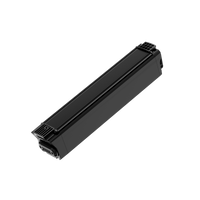
The 801.6Wh battery provides up to 75 miles of claimed pedal-assist range under test conditions. That capacity creates more room for longer trail systems, scouting routes, camping trips, and rides between multiple outdoor locations.
Real-world off-road range may be lower. Hills, soft surfaces, low tire pressure, cold weather, heavy cargo, towing, and higher assistance levels all increase energy consumption. Riders should plan around the complete round trip and maintain a reasonable battery reserve rather than treating the maximum published range as a guaranteed distance.
Heavy-Duty Capacity for Outdoor Equipment
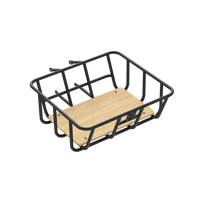
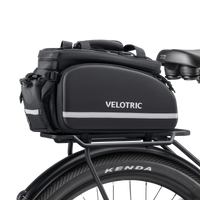
Nomad 2X supports up to 560 pounds of total payload, including the rider and cargo. Its integrated rear rack is rated for up to 120 pounds, providing a foundation for compatible panniers, rack bags, camping supplies, fishing equipment, and other properly secured gear.

The bike is also rated to tow up to 1,000 pounds with an appropriate setup, giving riders looking for a hunting ebike more flexibility when transporting equipment on permitted routes. Safe towing depends on the trailer, hitch, load distribution, terrain, gradient, braking distance, and applicable regulations. A maximum rating should never be interpreted as suitable for every route or riding condition.
Stealth Mode for Lower-Profile Outdoor Use
Stealth Mode turns off the integrated lights and limits the bike’s top speed when activated while the bike is stationary. It provides a lower-profile setting for appropriate hunting, scouting, or backcountry camping situations.
Visibility remains important around vehicles, other trail users, and low-light hazards. Stealth Mode should therefore only be used where reduced lighting is safe, appropriate, and permitted.
What Types of Terrain Can the Nomad 2X Handle?
The value of these features becomes clearer when they are connected to real terrain. Nomad 2X is not designed to make every surface effortless, but its combination of suspension, tire volume, torque, and braking expands the range of conditions riders can approach with greater support.
Gravel and Dirt Roads
Gravel and maintained dirt roads are among the most natural environments for Nomad 2X. The fat tires provide a stable contact area when loose stone shifts beneath the wheels, while the suspension helps manage washboard surfaces, potholes, and repeated vibration. Torque Mode can provide more progressive assistance through changing grades, while Cadence Mode may feel more relaxed across longer and more consistent access roads.
Sand and Soft Terrain
Four-inch tires can provide more flotation than narrower tires on sand, soft soil, and similar compressible surfaces. Lower pressure may increase the size of the tire’s contact patch, but riders must remain within the tire manufacturer’s safe pressure range. Deep or very loose sand can still require substantial energy, reduce steering precision, and shorten range. Maintaining momentum and avoiding abrupt power delivery can help reduce wheelspin.
Snow and Cold-Weather Conditions
The tire volume and wide footprint of Nomad 2X can improve stability on packed snow and some soft winter surfaces. However, ice, frozen ruts, and hidden obstacles remain serious hazards. Cold temperatures can also reduce temporary battery performance and range. Riders should store and charge the battery according to manufacturer guidance, reduce speed, avoid sudden braking, and recognize that fat tires are not a substitute for studs where icy conditions require them.
Hills, Ruts, and Uneven Forest Roads
The 105Nm of torque supports climbing and controlled starts, while the full air suspension helps manage repeated ruts, roots, and broken forest-road surfaces. Hydraulic brakes add control on the return descent. Very technical mountain bike trails may still demand different geometry, lower gearing, more aggressive tire tread, or a lighter bike. Nomad 2X is strongest on rough access roads, mixed-terrain routes, and outdoor trips where stability, comfort, and carrying capacity matter alongside trail capability.
How to Choose the Best Off-Road Electric Bike for Your Riding
The best off-road electric bike is not necessarily the one with the largest motor, widest tires, or longest published range. It is the bike whose capabilities match the terrain, distance, cargo, and handling demands of the rider’s actual trips.
Start With the Terrain You Ride Most
Begin with the surfaces that will make up most of your riding. Gravel roads and maintained dirt paths may favor efficiency and predictable handling. Sand and snow place more emphasis on tire volume and flotation. Rocky or continuously uneven routes increase the value of suspension and braking control. Choosing around occasional extreme scenarios can result in a bike that feels unnecessarily heavy or inefficient during most rides.
Match Suspension and Tires to Trail Conditions
Front suspension may be enough for occasional gravel and moderate dirt roads. Full suspension becomes more valuable when both wheels repeatedly encounter roots, holes, and ruts. Similarly, fat tires are particularly useful on loose or soft surfaces but add weight and rolling resistance on pavement. Suspension and tire size should reflect the route rather than serving as automatic indicators of quality.
Consider Range, Cargo, and Total Ride Weight
Range estimates should be considered alongside rider weight, equipment, elevation, temperature, tire pressure, and assistance level. Added cargo increases the energy required to accelerate and climb, while a trailer can significantly affect handling and braking distance. Compare the total payload rating with the rider, accessories, and expected gear—not just the weight of the cargo itself.
Look Beyond Motor Wattage
A higher wattage number does not automatically make one bike better off-road. Riders should also consider torque, power delivery, gearing, traction, wheel size, bike weight, and thermal management. A powerful motor cannot compensate for tires that cannot maintain grip or brakes that are poorly matched to the total load.
The better question is not simply “How powerful is the motor?” but “Can the entire bike deliver and control that power on the terrain I ride?” Nomad 2X approaches this through 105Nm of torque, SensorSwap™, four-inch tires, hydraulic brakes, and full suspension rather than relying on motor output alone.
Who Is the Nomad 2X Best For?
Nomad 2X is best suited to riders who regularly encounter terrain or carrying demands beyond occasional park paths. Its combination of full suspension, fat tires, high torque, and heavy-duty capacity is particularly relevant for:
- Riders who frequently use gravel, dirt, and rough access roads
- Campers carrying tents, food, tools, or other outdoor equipment
- Hunters and anglers transporting properly secured gear on permitted routes
- Riders who need a higher total payload or rear-rack capacity
- People who regularly encounter sand, snow, mud, or loose terrain
- Riders who prefer full suspension for repeated rough surfaces
Its capability also comes with tradeoffs. At approximately 80 pounds, Nomad 2X is harder to lift, transport, or move without motor assistance than a lightweight hybrid or conventional mountain bike. Four-inch tires may also feel slower on smooth pavement. Riders who spend most of their time commuting or using maintained bike paths may not need this level of suspension, tire volume, or load capacity.
Off-Road Electric Bike FAQs
Are Fat Tire Electric Bikes Good for Off-Road Riding?
Fat tire electric bikes can be well suited to gravel, sand, snow, soft soil, and uneven access roads because their wider tires provide greater air volume and a larger contact area. However, tread, pressure, bike geometry, suspension, and rider technique still affect performance. Fat tires do not guarantee traction on every surface.
Is Full Suspension Worth It on an Off-Road Electric Bike?
Full suspension can be worthwhile when rides involve repeated roots, rocks, ruts, and broken surfaces. It helps manage impacts at both wheels and may improve comfort and control. For smooth gravel roads or occasional light trails, a front-suspension bike may be sufficient, lighter, and easier to maintain.
How Much Power Does an Off-Road Electric Bike Need?
There is no single motor rating suitable for every rider. Terrain, total weight, gradient, gearing, and local regulations all matter. Torque and controllable power delivery may be more useful than wattage alone. On loose ground, excessive or abrupt power can reduce traction instead of improving performance.
How Far Can an Off-Road Electric Bike Go?
Off-road range varies considerably. Elevation, soft terrain, tire pressure, temperature, rider and cargo weight, assistance level, and towing can all reduce distance. Published maximum range should be treated as a comparison point rather than a guarantee. Always plan the return route and preserve a battery reserve.
Can You Ride an Electric Bike on Sand or Snow?
Some fat tire electric bikes can be used on sand and snow because wider tires provide additional flotation. Conditions still matter. Deep sand, powdery snow, ice, hidden obstacles, and steep slopes can reduce control. Adjust pressure carefully, use progressive assistance, reduce speed, and choose tires appropriate for the surface.
Is an Off-Road Electric Bike the Same as an Electric Dirt Bike?
No. Off-road eBikes and electric dirt bikes differ in power, pedals, weight, intended use, legal classification, and access rules. Nomad 2X remains a pedal-equipped eBike rather than an electric motorcycle. Read Electric Dirt Bike vs. Off-Road eBike: What’s the Difference? for a closer comparison.
Are Electric Bikes Allowed on Off-Road Trails?
Access depends on the state, land manager, trail system, and eBike classification. A route that permits conventional bicycles may not automatically allow electric bikes. Before riding, check current signs, local trail regulations, land-management rules, and any seasonal or motorized-use restrictions for the specific route.
Conclusion
Choosing the best off-road electric bike starts with understanding where you ride, how far you travel, and what you need to carry. Suspension, tires, torque, braking, battery capacity, and payload should work as a system rather than being compared as isolated specifications.
Nomad 2X is designed around riders who need support across loose terrain, repeated rough surfaces, longer routes, and equipment-heavy outdoor trips. Its full air suspension, four-inch fat tires, 105Nm of torque, SensorSwap™, hydraulic brakes, 801.6Wh battery, and heavy-duty carrying capacity each address a different part of that experience.
It will not be the right bike for every rider or every trail. Its weight and wide tires are meaningful tradeoffs, and local access rules still determine where it may be used. For riders whose trips regularly combine rough terrain, changing conditions, and substantial outdoor gear, however, Nomad 2X brings the major requirements of a capable off-road electric bike together in one platform.