



If you want an electric ride that can leave the pavement behind, you’ll quickly run into two very different options: electric dirt bikes and off-road electric bikes.
They don’t look much alike and they aren’t designed to do exactly the same thing. But for riders looking for more off-road capability, the choice between them can still be confusing. Do you need the power and motorcycle-like experience of an electric dirt bike, or would an off-road ebike give you enough capability while remaining practical for everyday rides?
Electric dirt bikes and off-road ebikes differ in how they deliver power, how you ride them, the terrain they’re built for, and where you may be able to use them. In this guide, we’ll break down those differences and help you decide which type of electric ride makes more sense for your off-road adventures.
What Is an Electric Dirt Bike?
An electric dirt bike is usually the battery-powered counterpart to a gas dirt bike. Instead of an internal-combustion engine, it uses an electric motor and battery to deliver strong acceleration across dirt tracks and other motorized terrain.
Most electric dirt bikes are built around features such as:
- Throttle-controlled power
- Motorcycle-style frames and seats
- Foot pegs instead of functional bicycle pedals
- Long-travel suspension
- Dirt-focused tires
- Higher vehicle weight and motor output
- Riding on private property, closed courses or designated motorized trails
The term itself can be confusing because “electric dirt bike” is often a marketing description, not a single legal category. Some models are clearly off-highway motorcycles. Others resemble bicycles but may exceed the power or speed limits used in state eBike definitions. Adding decorative or lightly functional pedals does not automatically make one an eBike.
Before buying, riders should check how the specific vehicle is classified where they live and where they plan to ride. Depending on its design and specifications, it may be treated as an off-highway vehicle, moped, motor-driven cycle or motorcycle rather than an electric bicycle.
What Is an Off-Road Electric Bike?
An off-road ebike is an electric bicycle designed to handle surfaces beyond ordinary streets and paved bike paths. Compared with a city ebike, an off-road electric bike may add wider tires, stronger brakes, more suspension travel, a sturdier frame and motor tuning designed for hills or loose surfaces.
The term off-road covers a broad range of electric bikes rather than one specific bike type. Depending on the terrain and riding purpose, an off-road ebike could be a fat tire ebike built for all-terrain, or an electric mountain bike (eMTB) designed for steeper climbs and more technical trails. Other adventure-oriented electric bikes may also fall somewhere in between.
Fat Tire Off-Road Ebikes
A fat tire ebike usually has tires around four inches wide. Their large contact patch and air volume can improve stability and comfort on sand, snow, loose gravel, forest roads and uneven ground. Fat tires also add weight and rolling resistance, so they are better suited to riders who value traction and confidence over quick, precise handling.

Electric Mountain Bikes
An electric mountain bike, or eMTB, is designed more specifically for trail riding. It commonly prioritizes responsive geometry, suspension performance, controlled climbing and maneuverability. Its tires may be narrower than those of a fat tire ebike but more aggressively treaded for technical terrain.
In other words, choosing an off-road ebike starts with understanding what “off-road” means for your ride.
Electric Dirt Bike vs Off-Road Ebike at a Glance
| Feature | Electric Dirt Bike | Off-Road Ebike |
|---|---|---|
| Basic design | Electric motorcycle-style machine | Pedal-equipped electric bicycle |
| Primary power control | Usually throttle-focused | Primarily pedal assist, sometimes with a throttle |
| Pedals | Often absent or replaced by foot pegs | Functional pedals |
| Typical terrain | Closed courses, private property and motorized trails | Gravel, dirt roads, moderate trails and mixed routes |
| Suspension | Motorcycle-style with substantial travel | Bicycle-style and dependent on bike category |
| Weight | Generally heavier | Generally lighter, although fat tire models can still be substantial |
| Exercise | Little or no pedaling required | Rider can choose how much effort to contribute |
| Everyday use | Usually limited | May also work for commuting, errands and recreational riding |
| Trail access | Generally limited to motorized-use areas | Depends on ebike class and local trail rules |
| Best suited to | Motorcycle-style off-road performance | Versatile exploration across paved and unpaved surfaces |
*These are general differences rather than universal rules. Specifications and regulations vary, so riders should verify the individual model and the rules for each road, park or trail.
Explore Off-Road Ebikes1. Pedaling vs Throttle-Controlled Riding
An electric dirt bike is usually controlled much like a motorcycle. Twist the throttle and the motor provides propulsion without the rider pedaling. The seating position, controls and foot pegs support that experience.

An off-road ebike is built around a bicycle drivetrain. Pedal-assist sensors detect the rider’s input and tell the motor when and how strongly to respond. A torque sensor and a cadence sensor deliver different types of feedback based on how you ride. Some off-road ebikes also provide a throttle, but usable pedals remain a central part of the design.
2. Power and Acceleration
Electric dirt bikes generally prioritize immediate acceleration and sustained motor-driven performance. Their power systems are designed to move a motorcycle-style vehicle through demanding off-road conditions without relying on the rider’s legs.
An off-road electric bike balances motor output with pedaling efficiency, battery range, bicycle handling and ebike regulations. Its motor can still provide meaningful climbing support, but maximum output alone does not determine off-road ability. Tire grip, gearing, braking, weight distribution, suspension and rider technique are just as important.
3. Weight and Transportation
The heavier build of an electric dirt bike can feel planted at speed, but it also changes ownership off the trail. The vehicle may require a trailer, pickup bed or motorcycle-rated carrier. Moving it through a narrow gate, lifting it for transport or storing it in a small space can be difficult.
Off-road ebikes are usually easier to live with, although full-suspension fat tire models are not lightweight ebikes. Many can be transported on a properly rated ebike rack, stored alongside other bikes and repositioned without motorcycle-specific equipment. If the battery runs out, functional pedals also provide a way to keep moving, even if pedaling a heavy ebike without assistance takes effort.
4. Terrain and Handling
An electric dirt bike is the stronger fit for motocross-style riding, repeated jumps, closed dirt courses and aggressive motorized trails. Its suspension, wheels and chassis are designed for that environment.

An off-road ebike is often more versatile. Depending on the model, it can move from neighborhood streets to gravel roads, park paths, fire roads, sand or snow without requiring a completely separate vehicle for each part of the trip.
That versatility should not be mistaken for unlimited trail capability. A comfortable fat tire ebike built for forest roads is not automatically suited to bike-park jumps or highly technical singletrack. Riders should match the bike’s geometry, suspension, brakes and tires to the hardest terrain they expect to encounter.
5. Road and Trail Access
Where the two vehicles may be used is one of the most important differences.
Electric dirt bikes are generally intended for private land, closed courses or trails open to motorized vehicles. A model designed only for off-road use may not be legal on public streets. Equipment such as a headlight does not by itself make it street legal.
Off-road ebikes may qualify as electric bicycles when they meet the relevant federal, state and local definitions, but trail access is never automatic. Some areas allow only Class 1 pedal-assist ebikes.
6. Exercise and Ride Experience
An electric dirt bike is designed to deliver a motorized sport experience. An off-road ebike offers a blend of rider effort and electric assistance.
That difference matters on long recreational rides. An ebike rider can decide whether the day feels like a workout, a relaxed exploration or something in between. The pedals also create a familiar riding experience for people moving up from a traditional bicycle.
Do You Actually Need an Electric Dirt Bike?
The aggressive appearance of an electric dirt bike can be appealing, but many recreational riders do not need a motorcycle-style machine to reach the places they have in mind.
Which One Fits Your Kind of Adventure?
| Your riding goal | Better starting point | Why |
|---|---|---|
| Motocross-style riding and closed-course jumps | Electric dirt bike | Designed for motorcycle-style performance |
| High-speed riding on private land | Electric dirt bike | Throttle-focused power suits motorized recreation |
| Forest roads and gravel routes | Off-road ebike | Easier to pedal across longer mixed-surface rides |
| Sand or packed snow | Fat tire off-road ebike | Wide tires can improve flotation and stability |
| Technical singletrack | Purpose-built eMTB | Trail geometry and handling matter more than tire width alone |
| Camping, scouting or outdoor exploration | Off-road ebike | Combines assisted travel with bicycle versatility |
| Commuting during the week and exploring on weekends | Off-road ebike | Can handle both paved and unpaved routes |
| Exercise with adjustable assistance | Off-road ebike | Pedaling remains part of the ride |
An electric dirt bike may make sense if:
- You specifically want a throttle-driven motorcycle experience
- You ride mainly on private land or designated motorized routes
- Jumps, closed courses or aggressive off-road performance are priorities
- You can manage the additional weight, storage and transportation needs
- You have confirmed the applicable registration and riding requirements
An off-road ebike may be the better choice if:
- You want pedaling to remain part of the experience
- Your routes combine pavement, gravel and dirt
- You want one electric bike for recreation and everyday riding
- You prefer easier transportation and storage
- Your goal is outdoor exploration rather than motocross-style riding
Where the Velotric Nomad 2X Fits
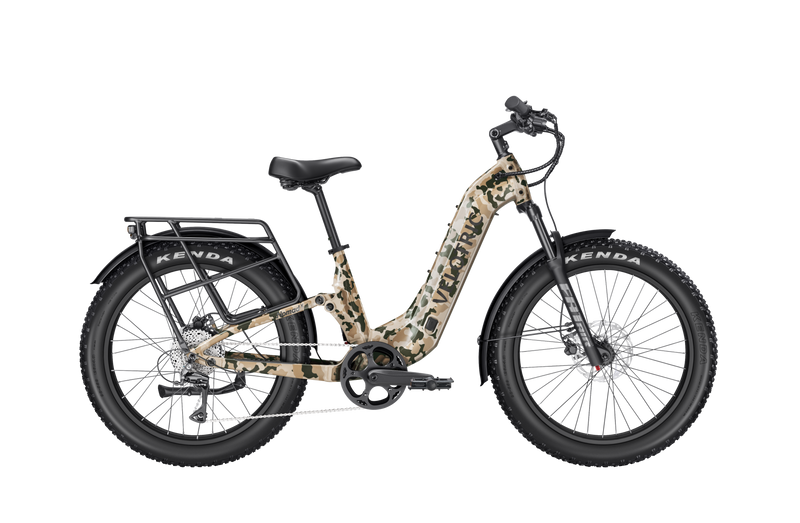
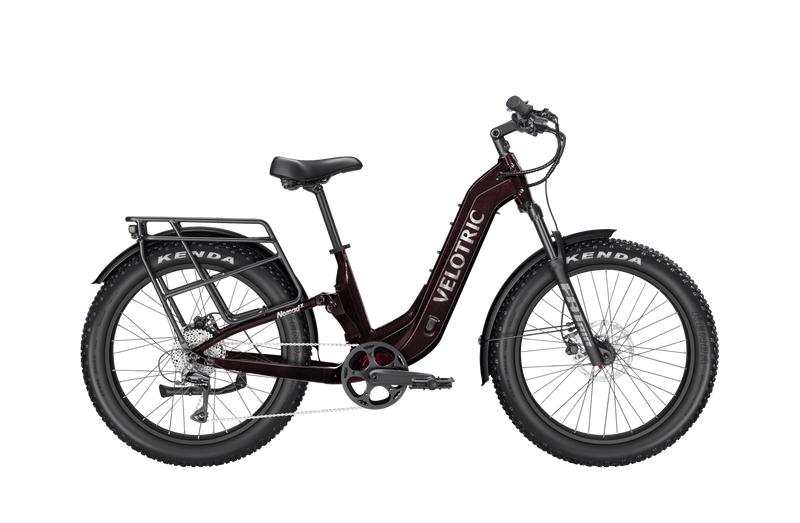
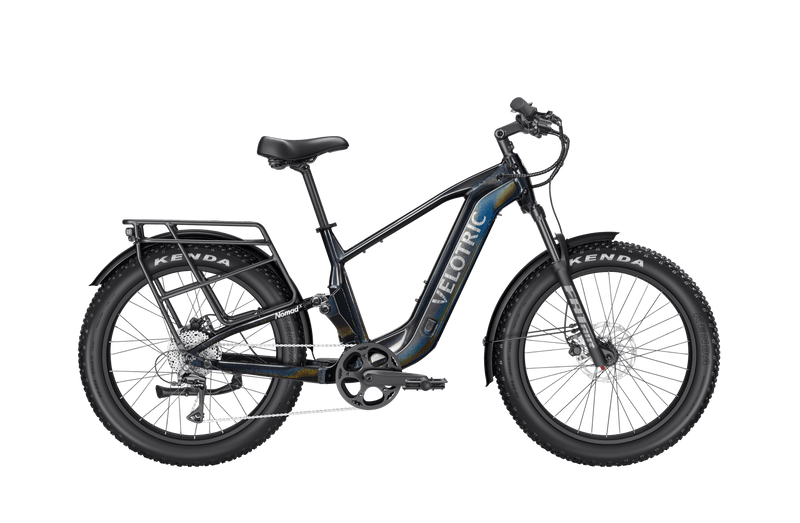
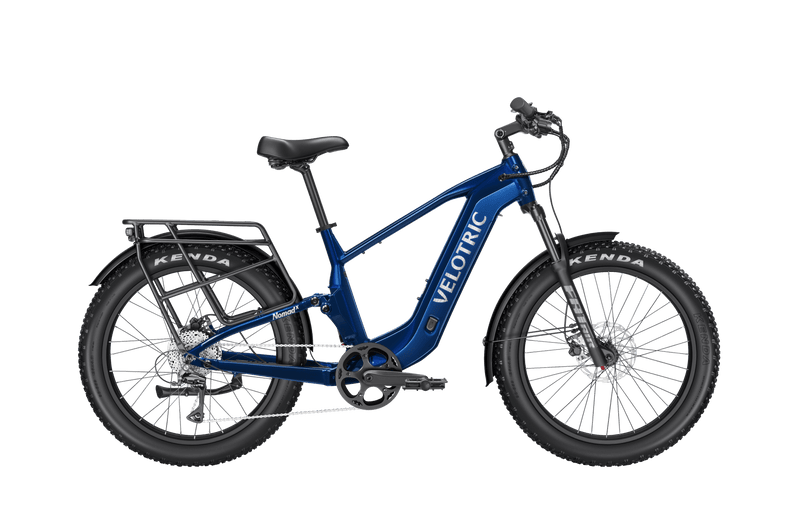
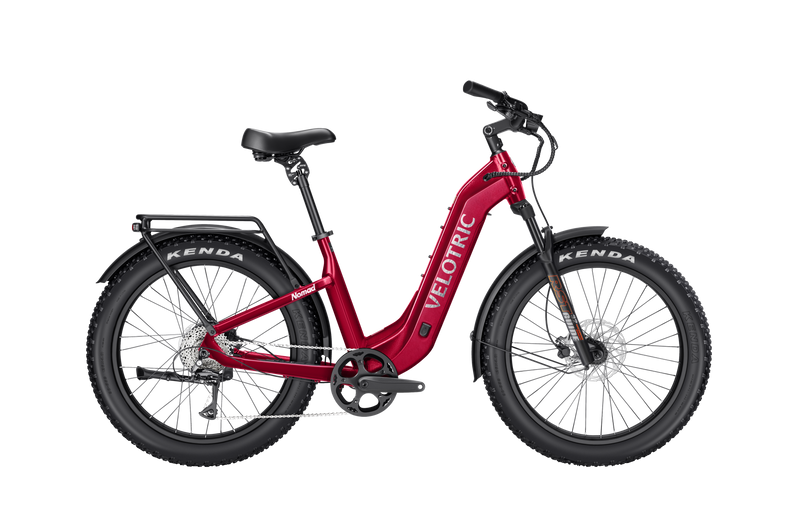
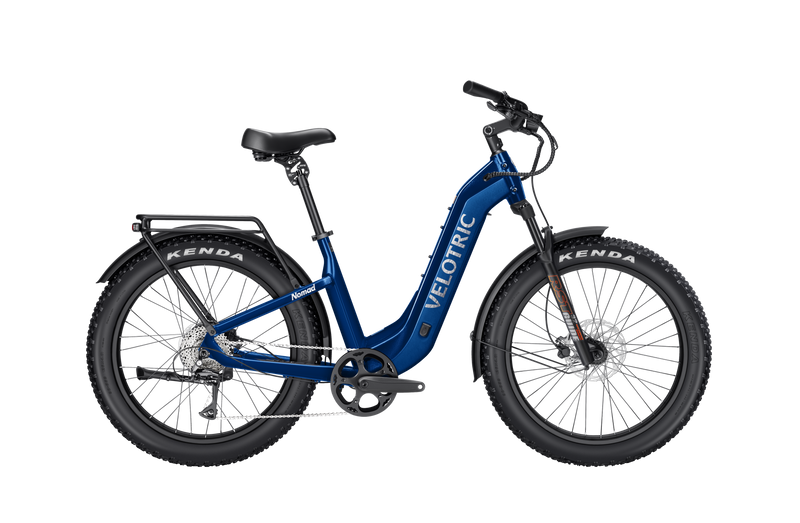
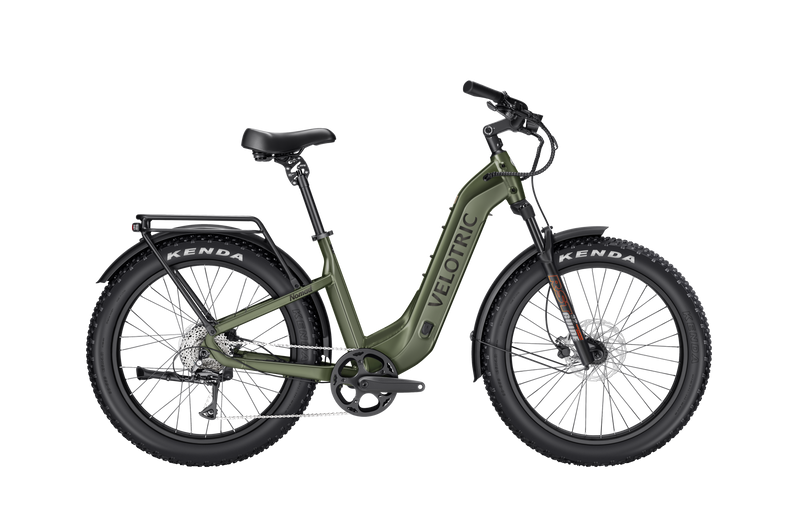
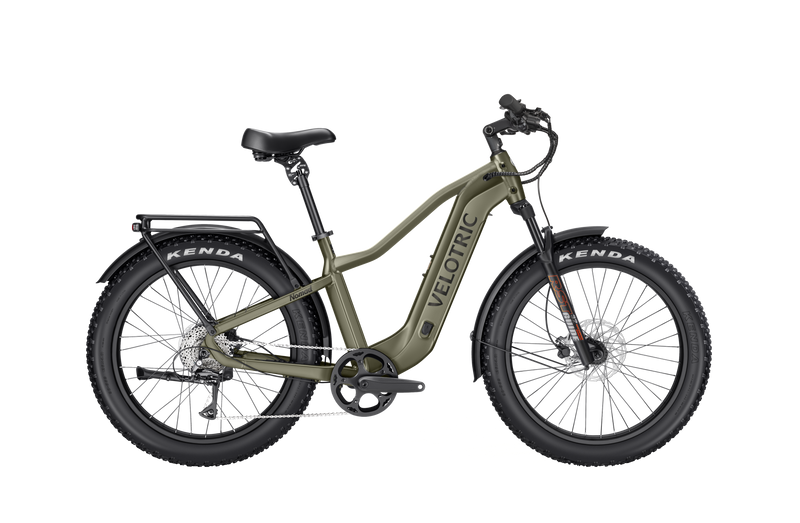
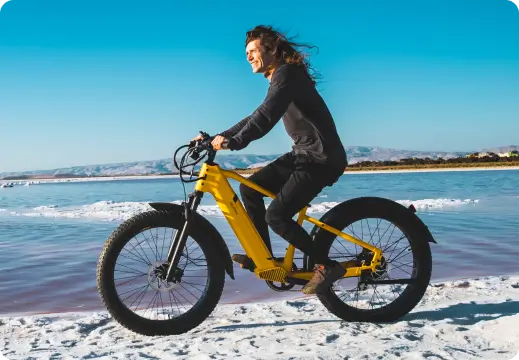
The Velotric Nomad 2X is not an electric dirt bike. It is a full-suspension fat tire ebike for riders who want broad all-terrain capability without moving into motorcycle-style ownership.

It's built to make difficult terrain feel more manageable. Its motor delivers up to 1,400W of peak power, providing extra support when climbing hills or riding over loose ground. Wide fat tires help the bike feel stable on gravel, forest roads, sand, and snow, while full air suspension at both the front and rear absorbs repeated bumps for a smoother, more controlled ride. Riders can also use SensorSwap™ to choose between a natural, responsive pedaling feel and easier, more consistent assistance.

The Nomad 2X also offers up to 75 miles of pedal-assist range and a 560-pound total payload capacity. Those specifications make it useful for longer outdoor rides and gear-heavy adventures, while its functional pedals, eight-speed drivetrain and Class 1, 2 or 3 configuration preserve the flexibility expected from an electric bike.
Frequently Asked Questions
Is an electric dirt bike the same as an ebike?
Usually not. An off-road ebike has functional pedals and is designed as an electric bicycle. An electric dirt bike is generally closer to an electric motorcycle and is commonly controlled primarily by a throttle. The legal classification depends on the individual vehicle and local regulations, not only its marketing name.
Can you ride an electric dirt bike on the street?
Don't assume that you can. Many electric dirt bikes are manufactured for off-road use and do not meet the registration, equipment or licensing requirements for public streets. Check the vehicle documentation and the rules in your state and city.
Are electric dirt bikes allowed on bicycle trails?
Generally, electric dirt bikes should be used only where motorized vehicles are allowed, unless the responsible land manager states otherwise. Bicycle-trail access varies by location, and a vehicle that exceeds the local ebike definition may not use trails open to electric bicycles.
Is a fat tire ebike considered an electric dirt bike?
No. Tire width does not determine the vehicle category. A fat tire ebike remains an electric bicycle when it has functional pedals and meets applicable ebike requirements. Its wide tires are intended to improve comfort and traction on surfaces such as sand, snow and loose gravel.
Is an electric dirt bike faster than an off-road eBike?
Electric dirt bikes are generally designed for higher motor-driven speeds and stronger acceleration. Off-road ebikes balance assistance with pedaling, range, bicycle handling and ebike classifications. Actual performance varies by model.
Can an off-road ebike be used for commuting?
Yes, if the bike complies with local road rules and has suitable safety equipment. Fat tires and suspension can make an off-road ebike heavier and less efficient than a dedicated commuter, but they can be useful when a route includes damaged pavement, gravel or unpaved shortcuts.
Do you need a license for an off-road ebike?
Many compliant electric bicycles do not require a driver’s license, registration or insurance, but definitions and requirements vary by jurisdiction. A high-powered vehicle marketed as an ebike may fall outside local electric bicycle rules. Confirm the specifications and current laws where you plan to ride.
![variantID:52091391902068#54974383817076[media-ab:a]](http://www.velotricbike.com/cdn/shop/files/N2X_ST_sage_4_800x.png?v=1755247628)