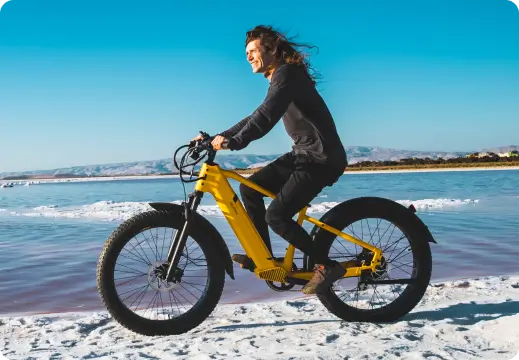






Texas is one of the best states in America for electric bike riding. Whether you're commuting through downtown Austin, cruising San Antonio's River Walk area, exploring Houston's growing network of bike lanes, or heading out for a weekend adventure in the Hill Country, an eBike offers an efficient and enjoyable way to travel.
The good news is that Texas is generally an eBike-friendly state. Riders do not need a driver's license, vehicle registration, or insurance for qualifying electric bicycles. However, there are still important rules covering where you can ride, what qualifies as a legal eBike, and how Class 1, Class 2, and Class 3 models are treated under Texas law.

This guide explains Texas's current electric bike laws in plain language, including licensing requirements, helmet rules, legal riding locations, and local regulations that every rider should know before hitting the road.
Texas eBike Laws at a Glance
If you're looking for a quick answer, here's a summary of the most important Texas eBike regulations.
| Requirement | Texas Law |
|---|---|
| Driver's license | ❌ Not required |
| Vehicle registration | ❌ Not required |
| Vehicle title | ❌ Not required |
| Insurance | ❌ Not required |
| Helmet | No statewide helmet law |
| Minimum age | No minimum age for Class 1 & 2; 15+ required for Class 3 |
| Legal eBike classes | Class 1, Class 2, Class 3 |
| Maximum motor power | Fewer than 750 watts |
| Maximum assisted speed | 20 mph (Class 1 & 2), 28 mph (Class 3) |
Keep in mind: Texas state law establishes the general rules for electric bicycles, but cities, counties, parks, and trail authorities may adopt additional regulations regarding where eBikes are permitted. Always check local ordinances before riding.
What Is Legally Considered an eBike in Texas?
Texas law defines an electric bicycle as a bicycle that meets several specific requirements. Understanding this definition is important because only bikes that meet these standards receive the legal benefits granted to eBikes.
To qualify as an electric bicycle in Texas, a bike must:
- Have fully operable pedals.
- Use an electric motor rated at fewer than 750 watts.
- Have a motor-assisted top speed that does not exceed 28 mph.
If a vehicle exceeds these limits, it may instead be classified as another type of motor vehicle, such as a moped or motorcycle, which comes with different licensing and registration requirements.
Electric Bicycle vs. Motorized Bicycle: What's the Difference?
One of the biggest misconceptions among riders is assuming every two-wheeled electric vehicle is legally an eBike. That's not the case.
If a vehicle exceeds Texas's legal eBike definition—for example, by producing more than 750 watts of power, exceeding the maximum assisted speed, or lacking fully operable pedals—it may no longer qualify as an electric bicycle. Instead, it could be classified under a different category, such as a motorcycle or another motor vehicle, depending on its specifications. Those vehicles may be subject to additional requirements, including registration, licensing, insurance, and different operating rules.
The comparison below provides a simple overview.
| Electric Bicycle | Motorized Vehicle* |
|---|---|
| Fully operable pedals | May not have usable pedals |
| Motor under 750W | May exceed 750W |
| Maximum assisted speed of 28 mph | May exceed 28 mph |
| Falls within Class 1, 2, or 3 | Outside the three-class system |
| Generally treated as a bicycle | May be regulated as another type of motor vehicle |
This distinction has become increasingly important as high-powered electric motorcycles and off-road e-motos become more popular. While they may look similar to an eBike, many do not meet Texas's legal definition of an electric bicycle and are subject to different regulations.
Do You Need a Driver's License to Ride an eBike in Texas?
No. Texas does not require a driver's license to operate a qualifying electric bicycle.
Unlike motorcycles or mopeds, electric bicycles are generally treated as bicycles under Texas law. As long as your eBike meets the state's legal definition, you can ride without obtaining a driver's license or motorcycle endorsement.
This makes eBikes an accessible transportation option for commuters, students, recreational riders, and anyone looking for an easier alternative to driving.
Do You Need Registration, a Title, or Insurance?
No. Texas does not require riders to:
- Register an electric bicycle
- Obtain a vehicle title
- Carry liability insurance
Compared with owning a car or motorcycle, this significantly reduces both the paperwork and ongoing ownership costs associated with riding an eBike.
Although insurance isn't legally required, riders may still choose optional bicycle insurance for protection against theft, accidental damage, or personal liability.
Do You Have to Wear a Helmet?
Texas does not have a statewide bicycle helmet law.
However, several Texas cities and local jurisdictions have adopted their own helmet requirements, particularly for younger riders. If you're riding within city limits or on local trail systems, it's worth checking the applicable municipal regulations before your ride.
Regardless of legal requirements, wearing a properly fitted bicycle helmet remains one of the simplest and most effective ways to reduce the risk of serious head injuries.
Is There a Minimum Age for Riding an eBike?
Texas law does not establish a minimum age for operating a Class 1 or Class 2 electric bicycle. However, Texas does set a statewide minimum age for Class 3 eBikes:
- Riders must be at least 15 years old to operate one (Tex. Transp. Code §551.107).
- A rider younger than 15 may still ride as a passenger if the eBike is designed to carry more than one person.
For Class 1 and Class 2 models, parents and guardians should still consider whether younger riders have the experience, judgment, and physical ability needed to safely control an eBike.
Certain local governments, parks, or private trail systems may establish their own additional age restrictions (for example, some cities require a permit or driver's license for certain eBike use), so riders should always verify local regulations when visiting a new riding area.
What Classes of eBikes Are Legal in Texas?
Texas recognizes the widely adopted three-class eBike system used throughout much of the United States.
| Class | Pedal Assist | Throttle | Maximum Assisted Speed |
|---|---|---|---|
| Class 1 | ✅ Yes | ❌ No | 20 mph |
| Class 2 | ✅ Yes | ✅ Yes | 20 mph |
| Class 3 | ✅ Yes | Typically no* | 28 mph |
All three classes are legal in Texas as long as the bicycle complies with the state's definition of an electric bicycle, including the 750-watt maximum motor output.
Some manufacturers also offer removable throttles or configurable riding modes. These features allow certain models to be configured for different riding environments while remaining compliant with applicable state and local regulations.
Where Can You Ride an eBike in Texas?
One of the biggest advantages of riding an eBike in Texas is that, in most situations, electric bicycles are treated similarly to traditional bicycles. That means you can generally ride in many of the same places as conventional bikes, provided there aren't additional local restrictions.
Here's a quick overview of where eBikes are typically allowed.
| Location | Are eBikes Allowed? |
|---|---|
| Public roads | ✅ Yes |
| Bike lanes | ✅ Yes |
| Road shoulders | ✅ Yes |
| Shared-use paths | ✅ Generally allowed |
| Sidewalks | ⚠️ Depends on local ordinances |
| State parks | ⚠️ Depends on park or trail regulations |
| Natural-surface trails | ⚠️ Often restricted |
| Private property | ⚠️ Permission required |
Although these guidelines apply across much of Texas, individual cities, counties, and land managers may establish additional rules for specific trails, parks, or recreational areas. Always look for posted signs or check the local authority's website before riding somewhere unfamiliar.
Riding on Roads and Bike Lanes
Texas generally allows eBikes anywhere conventional bicycles are permitted on public roads.
When riding on roadways, cyclists should follow the same traffic laws that apply to traditional bicycles. This includes obeying traffic signals, yielding when required, using proper hand signals when turning, and riding predictably alongside other road users.
Whenever a designated bike lane is available, using it is often the safest and most comfortable option.
Can You Ride an eBike on Sidewalks?
Sidewalk riding is one of the most common questions among new eBike riders, but there isn't a single statewide answer.
Texas law does not establish a universal rule for riding eBikes on sidewalks. Instead, many cities regulate sidewalk riding through local ordinances.
Some municipalities permit bicycles on sidewalks in certain areas, while others prohibit them in busy downtown districts or business zones. Even where sidewalk riding is allowed, riders should always slow down, yield to pedestrians, and ride with extra caution.
If a bike lane or low-speed street is available, it's usually the safer and more considerate choice.
Are eBikes Allowed in Texas State Parks?
Access is more restricted here than on public roads. Under current Texas Parks and Wildlife Department (TPWD) policy, eBikes are treated as motor vehicles within the state park system and are generally limited to paved roads and parking areas. Non-motorized trails — including trails open to traditional bicycles — are generally off-limits to all eBike classes, regardless of class.
A 2025 bill (SB 1865) that would have expanded eBike access to trails where regular bicycles are allowed did not pass, so this restriction remains in effect as of 2026.
Because TPWD periodically reviews this policy, always check the specific park's official website or contact park staff before your visit to confirm current rules.
What About Mountain Bike Trails?
Texas has an extensive network of mountain biking destinations, but not every trail is open to electric bicycles. Some trail systems welcome eBikes, while others only allow traditional bicycles or limit access to certain classes of eBikes.
If you're planning to ride popular destinations such as local trail networks, regional parks, or privately managed mountain bike systems, always review the trail rules before your visit.
Knowing the rules ahead of time helps protect trail access for all riders and reduces conflicts with hikers and other outdoor users.
Local Texas eBike Regulations
While Texas establishes statewide rules for electric bicycles, local governments have the authority to adopt additional regulations for public facilities under their control.
Depending on where you're riding, local rules may address:
- Sidewalk riding
- Shared-use paths
- Park trails
- Natural-surface trails
- Beach access
- Speed limits on recreational paths
- Downtown riding restrictions
Large cities such as Austin, Dallas, Houston, and San Antonio may each have different policies for certain parks, greenways, or recreational trails. Universities, county park systems, and other public agencies may also establish their own rules.
Because these local regulations can change more frequently than state law, checking ahead before riding in a new area is always a good idea.
Choosing an eBike That Fits Texas Law
Once you understand Texas's eBike regulations, choosing the right bike becomes much easier. Texas riders often use their eBikes for a wide variety of trips, from weekday commuting and neighborhood errands to gravel roads, ranch access, and weekend adventures. Because riding environments can vary so much, flexibility is an important feature to consider.
Velotric designs its eBikes with that flexibility in mind.
Many models feature One-Touch Class Switching, allowing riders to switch between Class 1, Class 2, and Class 3 riding modes where permitted by law. Select models also include a removable throttle, making it easier to configure the bike for different riding environments while remaining compliant with applicable regulations.
If your riding is primarily on paved roads, bike lanes, and everyday commutes, the Velotric Discover 3 delivers a smooth, comfortable ride with an upright riding position that's well suited for longer distances and daily transportation.

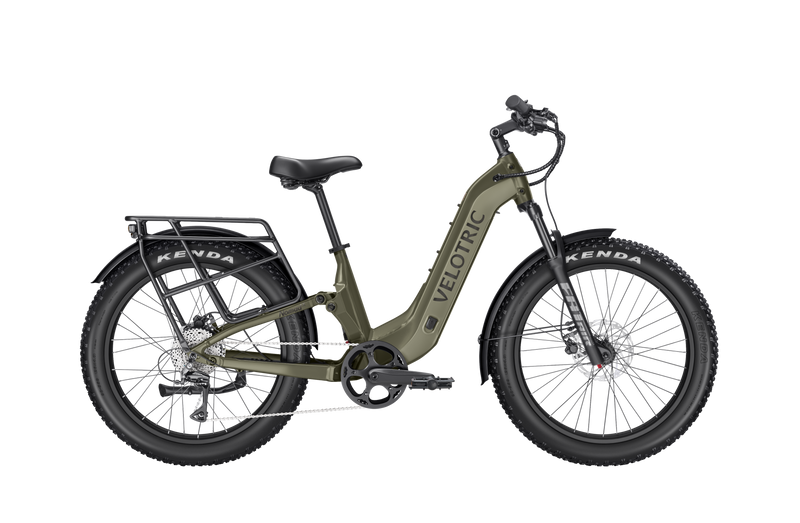
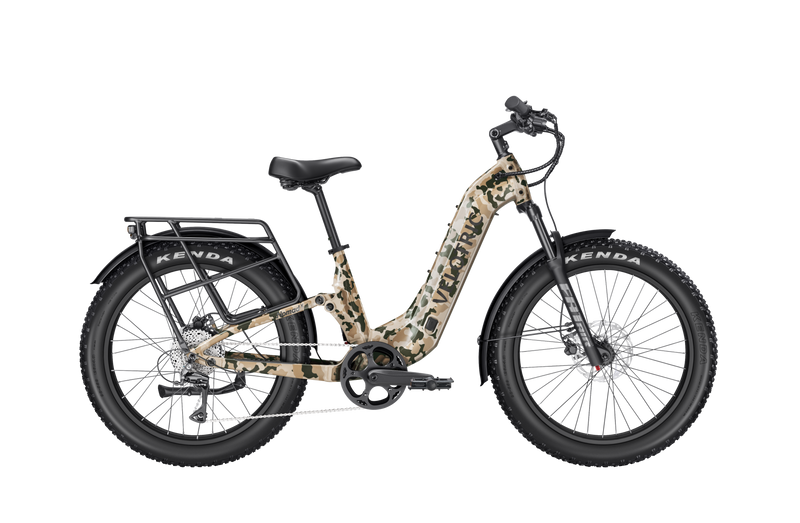
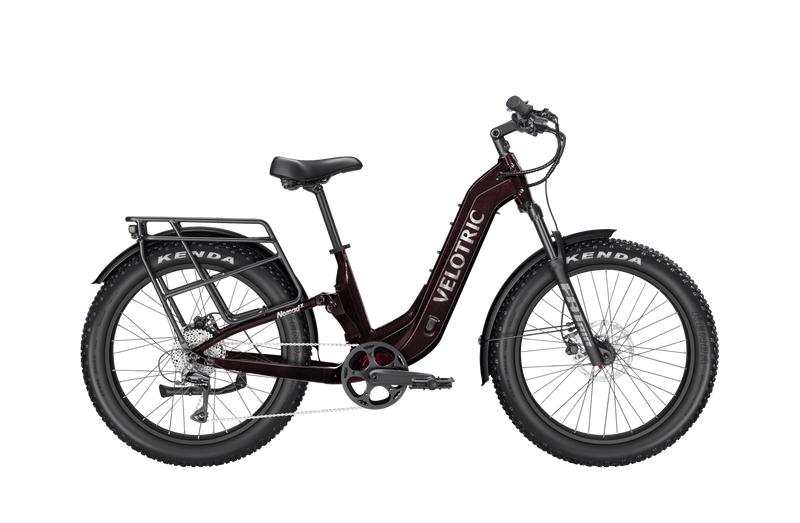
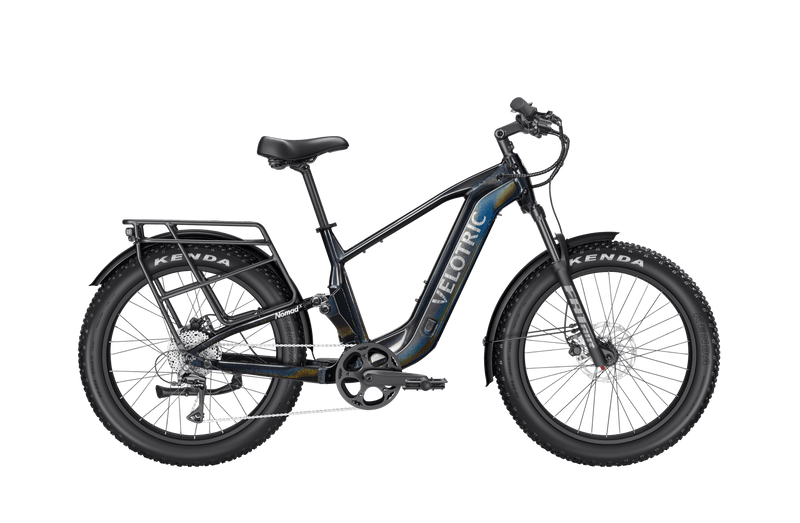
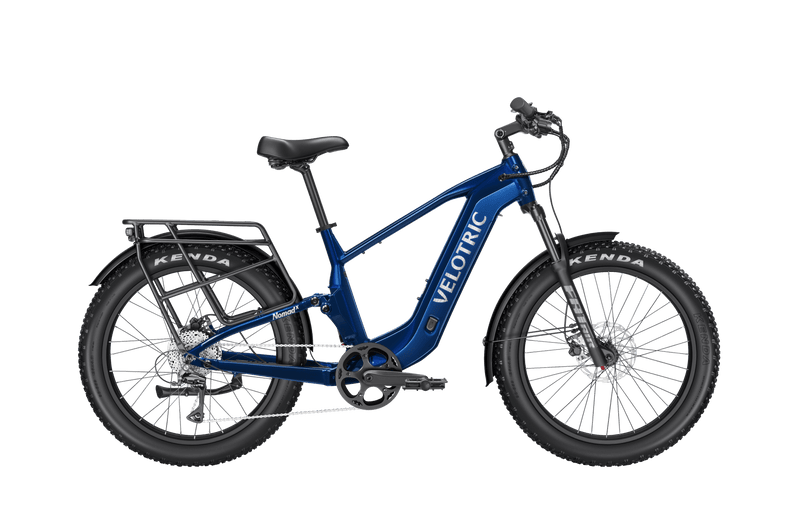
For riders who frequently venture onto gravel roads, ranch properties, or off-road terrain, the Velotric Nomad 2X combines fat tires, confident handling, and powerful performance for more adventurous rides while remaining equally capable on city streets.

Frequently Asked Questions About Texas eBike Laws
Are eBikes legal in Texas?
Yes. Texas recognizes Class 1, Class 2, and Class 3 electric bicycles, provided they meet the state's legal definition, including a maximum motor output of 750 watts.
Do you need a driver's license to ride an eBike in Texas?
No. Texas does not require a driver's license, motorcycle endorsement, or learner's permit to operate a qualifying electric bicycle.
Do you have to register an eBike?
No. Electric bicycles do not require vehicle registration or a title in Texas.
Is insurance required?
No. Texas law does not require insurance for electric bicycles. However, some riders choose optional bicycle insurance for theft or liability protection.
Can you ride an eBike on sidewalks?
It depends. Texas does not have a single statewide sidewalk rule for bicycles or eBikes. Many cities establish their own regulations, so riders should check local ordinances before using sidewalks.
Can tourists ride an eBike in Texas?
Yes. Visitors can legally ride qualifying electric bicycles in Texas without obtaining a Texas driver's license, provided they follow state and local regulations.
Can an eBike have a throttle in Texas?
Yes. Class 2 eBikes use a throttle with motor assistance up to 20 mph. Some manufacturers also offer removable throttles, allowing riders to configure compatible bikes for different riding environments while complying with applicable regulations.
Ride Texas with Confidence
Texas is one of the most welcoming states for electric bike riders, offering everything from vibrant city bike networks to scenic country roads and outdoor recreation areas.
By understanding the state's eBike laws, respecting local regulations, and choosing a bike that's built for the way you ride, you'll be ready to enjoy everything the Lone Star State has to offer.
Whether your next ride is a daily commute, a weekend coffee run, or an all-day adventure across Texas backroads, riding responsibly helps keep trails, roads, and shared spaces enjoyable for everyone.
- Texas Transportation Code - TRANSP § 664.001. Definitions
- Texas Transportation Code – Chapter 664
- Texas DOT Bicycle & Pedestrian Safety Laws FAQ
- E-Bike and E-Motorcycle Rules and Regulations
- Celina-tx.gov: Ebikes
- Austintexas.gov: Bicycle and Micromobility Laws and Safety
- BikeTexas.org: Support Ebikes In Parks
- Hptx.org: E - Bike Information | Highland Park, TX - Official Website
- Arielrider.com: E-Bike Laws in Texas