Sales







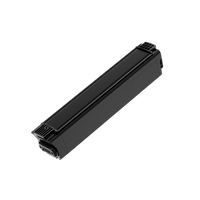


Your electric bike's battery decides how far you can ride, how often you need to charge, and how long your ebike stays dependable. Every lithium-ion battery loses some capacity as it ages—that's normal. But a few simple habits can noticeably slow that loss and keep your range closer to what it was on day one.
This guide covers what actually makes a difference: how to charge, store, ride, and handle your battery safely, so you get more years out of your Velotric ebike.
Black Friday Starts Now

Quick Summary
- For everyday riding, charge to 80–90% and recharge before the battery drops below 20%.
- Use the original Velotric charger.
- Charge and store the battery at room temperature—never charge it while it's below freezing.
- For long breaks, store it at 60–70% charge in a cool, dry place.
- Ride smoothly, use lower assist levels when you can, and keep your tires properly inflated.
- Stop using the battery if it's swollen, damaged, leaking, or unusually hot.
Why Battery Care Matters
The battery is usually the most expensive part to replace on an ebike, and it's the part that most directly affects your everyday ride. A well-kept battery gives you:
- More consistent range, so you can plan rides with confidence
- A longer service life before capacity drops enough to need a replacement
- Safer operation, since many battery problems start with heat, physical damage, or the wrong charger
1. Charge Your Battery the Right Way
Charge to 80–90% for everyday rides
Lithium-ion cells wear faster when they sit at a full charge or close to empty. For daily commutes and short rides, stopping at around 80–90% is easier on the cells. Save a full 100% charge for days when you need maximum range, and try to start riding soon after it finishes.
Don't leave it sitting near empty
Running low during a ride is fine. Leaving the battery below about 20% for days or weeks is not—deep discharge stresses the cells, and over long periods it can leave the battery unable to recover. Recharge soon after a long ride.
Partial charges are fine
Lithium-ion batteries don't have a "memory effect," so there's no need to run them down before charging. Topping up from 40% to 80% is perfectly healthy—shallow charging cycles are actually gentler than full ones.
Use the original charger
Chargers are matched to a battery's voltage and charging profile. A third-party charger may deliver the wrong voltage or unstable current, which can speed up wear and create a safety risk. Use the charger that came with your Velotric ebike, or an official replacement.
Charge at room temperature
After a hard ride or long climbs, let the battery cool for 20–30 minutes before plugging it in—heat speeds up chemical wear. In cold weather, do the opposite: bring the battery indoors and let it warm up to room temperature first. Charging a battery that's below freezing (32°F / 0°C) can cause lithium plating inside the cells, which permanently reduces capacity.
Read More: How Long Does an E-Bike Battery Last?
2. Store Your Battery in the Right Conditions
Lithium-ion batteries are happiest between 50°F and 77°F (10°C–25°C), in a dry place.
Avoid heat
A parked car or direct summer sun can push temperatures above 140°F (60°C), which can permanently damage the cells. Don't leave your bike or battery in a hot car, and park in the shade when you can.
Protect it from freezing temperatures
Cold temporarily reduces range—the capacity comes back once the battery warms up. But repeated exposure to freezing temperatures, and especially charging while cold, causes lasting damage. If you live in a colder climate, store the battery indoors over the winter. For more cold-weather tips, see our guide to keeping your electric bike running smoothly in cold weather.
Long-term storage
If you're taking a month or more off from riding:
- Charge or discharge the battery to about 60–70%
- Remove it from the bike and keep it in a cool, dry place indoors
- Check it every 2–3 months and top it back up to 60–70% if the level has dropped
Avoid storing the battery fully charged or fully empty—both speed up capacity loss over time.

3. Ride in a Way That's Easy on the Battery
How you ride affects battery wear as much as how you charge. The goal is simple: avoid drawing more power than you need.
- Use lower assist levels when you can. High assist modes drain the battery quickly and generate more heat. Use eco or low assist on flat ground and save the higher levels for hills, headwinds, or when you really need a boost.
- Pedal along with the motor. The more you contribute, the less work the battery has to do—and the more miles you get per charge.
- Start smoothly. Hard acceleration from a stop draws a large current. Shift to an easier gear before you stop so it's easier to get going again.
- Keep a steady pace. Constant stop-and-go riding uses more energy than cruising at a consistent speed. When possible, choose routes with fewer stops.
- Check tire pressure regularly. Underinflated tires increase rolling resistance and make the motor work harder. Keep them within the PSI range printed on the tire sidewall.
- Manage accessories and load. Lights, phone chargers, and other powered accessories draw from the battery, so switch them off when you don't need them. Heavy cargo also shortens range, so carry only what you need.
4. Keep the Battery Clean and Dry
Moisture, dirt, and corrosion on the connectors can reduce efficiency and cause power problems.
- Wipe the battery case with a dry cloth after riding in the rain
- Keep the battery contacts clean and free of debris
- Don't use a pressure washer near the battery, display, or motor—ebikes are water-resistant, not waterproof
- Never submerge the battery or the bike in water
If water gets into the connector, let it dry completely before reinstalling the battery.
5. Keep Firmware Up to Date
Your battery's management system (BMS) and the bike's controller run on software, and manufacturers sometimes release updates that improve efficiency, power delivery, or battery readings. If your model supports app connectivity, check the app for available updates. Otherwise, ask your dealer or Velotric support when your bike is serviced.

6. Recalibrate the Battery Gauge Occasionally
If you usually charge to 80–90%, the battery indicator can slowly drift and become less accurate. Every few months, ride until the battery is low (around 10–20%—not completely empty), then charge it to 100% without interruption. This gives the battery management system a full reference point so your charge readings stay reliable. It's the one time a full charge is part of routine care.
Battery Safety Basics
Lithium-ion batteries are safe when they're used and cared for properly. A few rules go a long way:
- Charge on a hard, non-flammable surface, away from flammable materials and not blocking an exit
- Avoid leaving the battery charging for long periods when no one is home, and unplug it once it's full
- Inspect the battery after a fall or crash, even if it seems to work normally
- Stop using it right away if it's swollen, cracked, leaking, smells unusual, or gets abnormally hot—then contact Velotric support
- Never open, modify, or try to repair the battery yourself
- When a battery reaches the end of its life, take it to a battery recycling drop-off—never put it in household trash
Normal Range Loss vs. a Battery Problem
Shorter range doesn't always mean your battery is failing. These factors all reduce range temporarily:
- Cold weather
- Strong headwinds
- High pedal-assist levels
- Frequent hill climbing
- A heavier rider, passenger, or cargo load
- Low tire pressure, worn tires, or a dirty drivetrain
Signs that the battery itself may be aging include:
- Noticeably shorter range than before, even on the same route in similar conditions
- The charge level dropping suddenly during a ride
- The bike cutting out under load while the gauge still shows charge
- The battery losing charge quickly while sitting unused
Gradual capacity loss over several years is expected. If you notice a sudden change, contact Velotric support to check your battery.
FAQ
Should I charge my ebike battery after every ride?
Not necessarily. If you have plenty of charge left for your next ride, there's no need. The main thing is to avoid leaving it below 20% for long. Frequent partial top-ups are fine.
Can I leave my ebike battery on the charger overnight?
It's better not to. Unplug the charger once the battery is full, and avoid long unattended charging sessions. Keeping the battery at 100% for many hours also adds wear.
Can I charge my battery in a cold garage?
Only if the garage stays above freezing—and ideally, charge indoors at room temperature. Never charge a battery that's below 32°F (0°C).
How should I store my ebike battery over winter?
Remove it from the bike, bring it indoors, and keep it at 60–70% charge. Check it every 2–3 months and top it up if needed.
The Bottom Line
Good battery care comes down to a few habits: charge to 80–90% for everyday rides, keep the battery away from extreme heat and cold, use the original charger, ride smoothly, and store it partly charged when you're not riding. Do these consistently, and your Velotric electric bike will deliver reliable range for many seasons to come.