



Snow doesn’t automatically bring the ebike season to an end. With the right conditions, equipment and riding habits, an electric bike can remain useful for winter commuting, outdoor access and recreational riding.
However, snow riding requires more judgment than riding on dry pavement. Available traction can change within a few feet, braking distances increase, cold temperatures affect battery performance, and snow may conceal ice or road damage. The question is therefore not simply whether an ebike can be ridden in snow, but whether the bike, route and weather are suitable for that particular ride.
- Can You Ride an Ebike in the Snow?
- How Different Snow Conditions Affect an Ebike
- How to Prepare an Ebike for Snow Riding
- Why Nomad 2X Is Well Suited to Snow Riding
- Safe Ebike Riding Techniques for Snow
- What to Wear for Winter Ebike Riding
- Post-Ride Cleaning and Winter Storage
- How to Decide Whether It Is Safe to Ride
- Frequently Asked Questions
Can You Ride an Ebike in the Snow?
Yes, an ebike can be ridden in snow when traction, visibility and route conditions remain manageable. Light fresh snow and firmly packed snow are often easier to navigate than deep snow, wet slush or surfaces affected by repeated freezing and thawing.
Before riding, consider postponing the trip if you encounter:
- Ice hidden beneath a thin layer of snow
- Deep or heavily rutted snow that prevents predictable steering
- Wet slush that repeatedly pushes the tires sideways
- Untreated steep hills with limited braking space
- Heavy snowfall that significantly reduces visibility
- Road closures or local winter access restrictions
An electric motor can help maintain momentum through light snow, but it cannot create traction. Applying too much power while the rear tire has limited grip may cause wheel spin, particularly when starting, climbing or turning.

How Different Snow Conditions Affect an Ebike
“Snow” can describe several very different riding surfaces. Recognizing what is underneath the tires is one of the most important winter riding skills.
Fresh, Shallow Snow
A light layer of fresh snow may still allow the tires to reach the firmer surface below. It can be relatively manageable when the route is flat, familiar and free of hidden ice. Riders should still reduce speed because painted markings, metal covers and compacted areas can become unexpectedly slippery.
Packed Snow
Packed snow can provide a more consistent surface than loose snow, but its grip changes as it becomes polished by tires and foot traffic. Smooth-looking sections should be approached cautiously, especially near intersections, corners and slopes.
Wet Snow and Slush
Slush can pull a wheel away from the intended line and may hide potholes or ice. It also throws salty water and grit onto the drivetrain, brakes and frame, making post-ride cleaning especially important.
Ice and Freeze-Thaw Conditions
Ice presents the greatest risk because ordinary bicycle tires may provide very little usable grip. Black ice can be difficult to see, while snow that partially melts during the day may refreeze after temperatures fall. If ice is widespread, studded winter tires—or a different form of transportation—may be the safer choice.
How Snow Changes Ebike Handling
Even a thin layer of snow can make familiar controls feel different. Riders should expect:
- Longer braking distances: the tires may reach their traction limit before the brakes reach their full stopping power.
- Less cornering grip: leaning sharply or turning suddenly can cause either wheel to slide.
- Slower steering response: loose snow and ruts may redirect the front tire.
- More sensitivity to power: sudden motor assistance can break rear-wheel traction.
- Greater effort through deep snow: increased rolling resistance places more demand on both the rider and battery.
Winter control depends on smooth, deliberate input. Accelerate gradually, begin braking earlier and give the bike more space to complete each turn.
How to Prepare an Ebike for Snow Riding
Check the Battery and Plan a Range Reserve
Cold temperatures temporarily reduce the energy a lithium-ion battery can deliver. The reduction varies with temperature, battery condition, assistance level, terrain, tire pressure and the amount of time the bike remains outside.
Start with a properly charged battery and plan a shorter route than you would in mild weather. Headwinds, soft snow and extra winter gear can all increase energy use. Returning with a comfortable battery reserve is more important than trying to reach the bike’s maximum range.
Whenever possible, store the battery in a dry indoor location within the temperature range stated in the owner’s manual. If the battery becomes very cold, allow it to return to an appropriate charging temperature before connecting the charger. Never use direct heat, wrap the battery in conductive materials or charge it while wet.

Inspect the Tires
Tires have a greater influence on winter control than motor output. Check tread condition, sidewalls and pressure before each ride. A worn tire that performs adequately on dry pavement may struggle once the surface becomes loose or slippery.
Wider tires can provide a larger, more stable platform in soft snow, while an open tread pattern helps the tire move through loose material. Studded tires are worth considering when ice is a frequent part of the route, provided they are compatible with the bike and used according to the tire manufacturer’s instructions.

Reducing tire pressure slightly may enlarge the contact patch on snow, but pressure must remain within the approved range for the tire, rim and total load. Excessively low pressure can make steering vague and increase the risk of rim strikes, tire damage or the tire shifting on the rim.
Check Brakes, Lights and Fenders
Brake pads and rotors should be clean and in good condition before winter riding. Snow, water and road grime may temporarily change braking feel, so test the brakes at low speed shortly after starting the ride.
Winter also brings shorter days and lower-contrast visibility. Confirm that the headlight, taillight and any brake-light functions are working. Reflective clothing or accessories can make the rider easier to identify in snowfall or road spray.
Full-coverage fenders help keep slush, salt and grit away from the rider and reduce the amount of debris reaching the bike. They don’t eliminate the need for cleaning, but they can make regular winter maintenance more manageable.

Protect the Bike From Salt and Moisture
Water-resistant components are helpful in snow, but an ebike shouldn’t be treated as waterproof. Avoid submerging electrical parts, spraying connectors directly or cleaning the bike with a pressure washer.
A bicycle-compatible corrosion protectant may be used on appropriate exposed metal surfaces, but it must be kept away from brake rotors, brake pads, tires and other friction surfaces. Follow both the bike manufacturer’s and product manufacturer’s instructions.
Why Nomad 2X Is Well Suited to Snow Riding
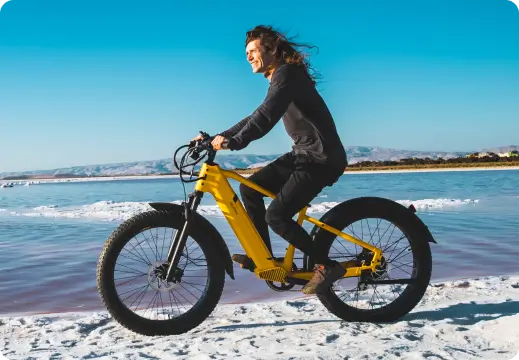
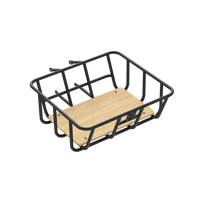
The Velotric Nomad 2X brings together several features that are useful when a winter route includes packed snow, rough frozen ground and changing traction. Its advantage isn’t simply having more motor power. The tires, suspension, power delivery and weather protection work together to make the bike easier to manage in demanding conditions.
More Stability and Comfort on Snowy Ground
Nomad 2X combines wide fat tires with full air suspension to provide a more stable and comfortable ride across packed snow, frozen ruts and uneven winter surfaces. The tires create a broader footprint, while the suspension helps soften hidden bumps so riders can stay balanced and maintain better control.
These features improve snow capability, but they cannot eliminate the risk of ice. Studded tires may still be necessary when frozen surfaces are common.
Support for More Demanding Winter Rides
The motor provides the assistance needed to move through soft snow and other high-resistance surfaces without requiring as much effort from the rider. On slippery ground, riders can begin with a lower assistance level and increase support gradually to reduce unnecessary wheel spin.
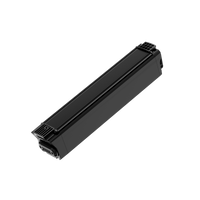
A removable battery also makes winter care easier because it can be stored and charged indoors. Since cold weather and snow can reduce range, riders should plan shorter routes and leave enough battery for the return trip.

Better Prepared for Wet and Low-Light Conditions
Water-resistant protection helps Nomad 2X handle snow spray and wet winter roads, while the integrated headlight, brake light and turn signals improve visibility during shorter winter days. Together, these features make regular winter riding more practical, although the bike should still be cleaned and dried after wet or salty rides.
Safe Ebike Riding Techniques for Snow
Use Smooth, Gradual Assistance
Begin in a low gear and use a modest assistance level. Apply pedal or throttle input progressively rather than asking the motor for full output immediately. If the rear tire begins to spin, reduce power and allow it to regain traction before continuing.
When crossing a short slippery section, avoid sudden changes in speed or direction. A steady line is generally easier to control than repeated acceleration and braking.
Brake Earlier and Keep the Bike Upright
Start slowing down well before intersections, corners and descents. Apply both brakes progressively while the bike is as upright as possible. Hard braking while turning asks the tires to provide cornering and stopping grip at the same time, increasing the chance of a slide.
Avoid relying on a fixed front-to-rear braking ratio. Available grip changes with the surface, the bike, the rider and the slope. Practice gentle stops in a clear, controlled area to understand how the bike responds that day.
Take Wider, Slower Turns
Reduce speed before entering the turn, keep movements relaxed and avoid leaning as aggressively as you would on dry pavement. Look toward the intended exit and allow enough room to follow a wider arc.
Painted lines, metal utility covers, wooden bridges and smooth concrete can become especially slippery when wet or frozen. Cross them as upright and straight as possible.
Handle Snow Ruts Carefully
Ruts can guide the front wheel in a direction the rider didn’t intend. Avoid fighting the handlebar with abrupt steering corrections. Reduce speed, maintain a relaxed grip and let the bike settle before gradually returning to the preferred line.
If a rut appears too deep or unpredictable, stop and walk the bike around it rather than trying to force a path through.
Approach Hills Conservatively
Select an appropriate gear before the climb and carry controlled momentum onto the slope. Shifting abruptly or applying maximum assistance after traction is already fading can make the rear wheel spin.
Before descending, consider whether there is enough grip and stopping space to control the bike all the way down. Walking a steep, icy section is a sound winter riding decision, not a failure of technique.
What to Wear for Winter Ebike Riding
Winter clothing should protect against wind and moisture without restricting movement or control. Layering makes it easier to adjust as body temperature changes during the ride.
- Use insulated gloves that still allow precise brake and control operation.
- Wear wind-resistant outer layers and moisture-managing base layers.
- Choose footwear with enough grip for placing a foot down or walking the bike.
- Keep loose clothing away from the chain, wheels and other moving parts.
- Use eye protection against cold wind, falling snow and road spray.
- Make sure hats or liners don’t interfere with proper helmet fit.
Post-Ride Cleaning and Winter Storage
Snow itself is only part of the winter maintenance problem. Road salt, grit and dirty meltwater can accelerate corrosion and drivetrain wear if they remain on the bike.
After a wet or salty ride:
- Turn off the bike and remove the battery when the owner’s manual recommends it.
- Wipe away snow, slush and visible salt with a soft cloth and clean water.
- Dry the frame, drivetrain and areas around electrical components.
- Clean and lubricate the chain with a bicycle lubricant suited to wet conditions.
- Inspect the brake rotors and pads without applying lubricant or protectant to them.
- Allow the battery and charging port to dry fully before charging.
Store the bike and battery according to the temperature and charge guidance in the owner’s manual. Avoid placing a wet bike directly into a sealed, poorly ventilated space where trapped moisture can remain on its components.
How to Decide Whether It Is Safe to Ride
A winter-capable ebike doesn’t make every winter day rideable. Before leaving, check the temperature trend, recent precipitation, wind, visibility and route maintenance—not just the current air temperature.
Freeze-thaw cycles deserve particular attention. A road that appears wet during the afternoon may become icy after sunset, while packed snow can become smoother and more slippery as traffic passes over it.
Ask yourself:
- Can I clearly see the riding surface?
- Is widespread ice likely along the route?
- Does the route provide enough room for longer stops?
- Can I avoid steep untreated hills?
- Will the weather remain stable for the return trip?
- Do I have enough battery reserve for increased winter energy use?
If the answer to several of these questions is no, postponing the ride is the safer choice.

Frequently Asked Questions About Riding an Ebike in Snow
Are Fat Tire Ebikes Better in Snow?
Fat tire ebikes generally provide a wider and more stable platform on soft or packed snow. Their performance still depends on tread, tire pressure, snow depth and the surface underneath. Fat tires alone don’t provide reliable grip on hard ice.
Do You Need Studded Tires for Snow?
Studded tires aren’t necessary for every snowy ride, but they can provide an important advantage when the route regularly includes packed ice or freeze-thaw conditions. Confirm tire, rim, frame and fender compatibility before installing them.
Does Cold Weather Reduce Ebike Range?
Yes. Cold temperatures can temporarily reduce available battery capacity, while snow, headwinds, extra clothing and lower tire pressure may increase energy use. Begin with a properly charged battery and leave a larger range reserve than you would in mild weather.
Can You Use the Throttle in Snow?
A throttle can be used where legally permitted, but it should be applied gradually. Sudden throttle input may cause the rear tire to spin when traction is limited. Low assistance and smooth pedaling are often easier to control.
Can an Ebike Be Left Outside in Winter?
Short-term outdoor parking may be unavoidable, but prolonged exposure to cold, moisture and road salt can affect the battery and components. Indoor, dry storage is preferable, especially for the removable battery. Always follow the storage temperatures in the owner’s manual.
Can You Charge an Ebike Battery Immediately After a Cold Ride?
Don’t charge a battery that is wet or outside its approved charging-temperature range. Bring it into a dry location and allow it to reach a suitable temperature before charging according to the manufacturer’s instructions.
Conclusion
Riding an ebike in snow can be practical and enjoyable when the conditions remain within the limits of the rider, tires and route. Preparation matters, but judgment matters more. Wide tires, suspension and motor assistance can improve winter capability; they cannot remove the risks created by ice, poor visibility or an untreated descent.
A capable fat tire ebike such as Nomad 2X provides a strong foundation for packed snow and mixed winter terrain. Begin with easy routes, use smooth control inputs, leave extra stopping distance and be willing to postpone the ride when traction becomes unpredictable.