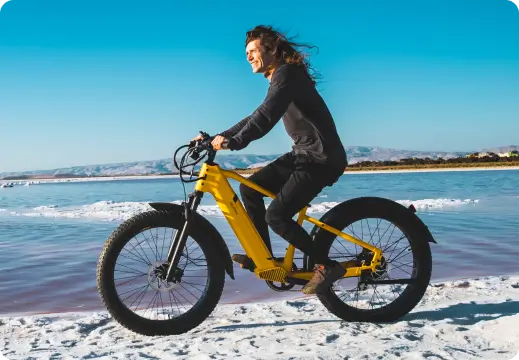



When you hop on your ebike, what do you notice first? Is it how effortless the ride feels or maybe how something feels just a little off? That sensation, whether good or bad, reflects how well your ebike setup aligns with your body, riding habits, and terrain. It's what we call your riding sweet spot—the point where comfort, control, and efficiency meet in harmony.
Unlike a single gear or speed setting, a riding sweet spot is dynamic. It changes with terrain, assist levels, riding style, and even your intention for the ride. Whether you’re commuting, cruising on mixed surfaces, or exploring scenic routes, finding your ideal setup can significantly enhance your ride.
Below is a practical guide to the key elements that influence your sweet spot—and how to tune them for a more satisfying experience.
What Is a “Riding Sweet Spot”?
The riding sweet spot is the zone where your body and your bike work in sync. It's when:
- Pedaling feels smooth and natural,
- Roads feel less harsh,
- You feel balanced and in control, and
- The ride ends with more energy left in the tank than when you started.
This balance looks different for everyone. But regardless of skill level, discovering your sweet spot can dramatically enhance comfort and consistency on every ride.
1. Pedal Assist System (PAS) & Sensor Modes
That comfort often begins with how your ebike responds to your pedaling. The pedal assist system (PAS) helps you ride farther with less effort by adding motor power based on how fast or how hard you pedal.
Most ebikes use one of two primary sensors:
- Cadence sensors measure how fast you pedal and provide consistent assist based on pedal speed.
- Torque sensors measure how hard you pedal and deliver power proportionate to your effort, giving a more natural cycling feel.
A cadence sensor provides steady motor support with minimal input, perfect for relaxed cruising. In contrast, a torque sensor mimics the sensation of riding a traditional bike—adding power in proportion to your effort, making the ride feel more natural and responsive. Riders often find torque sensors more engaging for varied terrain.

Having both options available means your ride can evolve with your energy, terrain, or destination. The ability to switch between sensor types helps adapt to your mood or riding style without needing a second bike.
When your assist response matches your pedaling style, you’re closer to your sweet spot.
2. Tailor Your Assist Level Flexibly
When a PAS system offers multiple assist levels, the freedom to tailor motor output becomes even more powerful. It's not just about how the system responds, but how much support you get and when.
For example:
- Higher assist levels help conserve your effort on hills or longer distances.
- Lower levels extend your battery range on flatter routes.
- Mid-range settings keep the ride balanced and controlled.
Being able to switch between 15 different combinations of modes and levels—such as 3 riding modes paired with 5 levels of assist—makes it easier to find the combination that fits your body, route, and goals at any given moment.
3. Ergonomics & Riding Posture
Fine-tuning power settings can improve efficiency, but the real key to lasting comfort lies in your riding posture.
Consider:
- Handlebar height — affects wrist, shoulder, and neck comfort
- Saddle height — determines pedaling efficiency and knee angle
- Frame geometry — influences balance and posture
An upright, relaxed position reduces muscle strain on longer rides and contributes to a more intuitive ride feel.
Geometry also matters. An ergonomic frame design provides the structural foundation that keeps your body aligned, your movements fluid, and your focus on the road rather than discomfort.
4. Suspension & Tire Setup
While posture addresses internal strain, road feel influences physical comfort from the outside in. Bumpy streets, curbs, or gravel can quickly wear down even the most enthusiastic rider—unless your bike is built to cushion the impact.
- A suspension fork absorbs vibrations and minor bumps before they reach your body
- Wider tires provide both shock absorption and extra surface contact for stability
This is especially noticeable during multi-surface commutes or weekend detours through parks, trails, or coastal paths.
Comfort isn't just a luxury—it's what encourages longer, more frequent rides. And a bike that feels stable and planted under you is key to reaching that sweet spot.

5. Frame Access & Mounting Ease
Stability while riding is essential—but so is how easily you can get on and off the bike. This often-overlooked detail can significantly affect your overall sense of ease and control.
A low step-through frame helps eliminate awkward movements when mounting or dismounting, particularly useful when wearing layers, carrying bags, or riding in tighter urban spaces. It also makes riding more accessible for older adults or those with limited mobility, without compromising on performance.
When the whole ride—starting with the first step—feels smooth and natural, that's another layer of alignment between rider and bike.
6. Range & Power Balance
The ease of use also depends on how confidently you can plan your ride. That's why range and power play such an important role in optimizing your riding experience.
A powerful motor with high torque provides consistent output across inclines and varied terrain, while a high-capacity battery extends your riding range—reducing the need to worry about charge levels mid-ride. These features ensure that performance stays dependable even when the road throws something unexpected in your way.
In essence, power and battery are what sustain the riding sweet spot once you've found it. They make longer trips, steeper climbs, and spontaneous detours feel less like challenges and more like opportunities.
Finding Your Sweet Spot: Practical Steps
With comfort, control, and performance addressed, the next step is personalization. Small adjustments make a big difference—especially when they're approached with awareness.
Start by thinking about your primary use: are you commuting, cruising, or adventuring? That intention will help determine your ideal sensor setting and assist mode. From there:
- Adjust your seat height to maintain slight knee bend at the lowest pedal point.
- Raise or lower your handlebars to reduce wrist or shoulder strain.
- Experiment with PAS levels in various conditions and monitor how your body responds.
- Revisit these tweaks regularly, as your body and riding habits evolve.
Finding your sweet spot is an ongoing process—not a one-time setup—but each improvement leads to more intuitive, enjoyable rides.

When Your Bike Aligns With You
After experimenting with assist levels, posture, and terrain, many riders begin to wonder: What if the bike was already built to help me figure this out?
For those who value adaptability, comfort, and intuitive performance, the search often leads to one key realization—the right bike doesn't ask you to adjust to it; it adjusts to you.
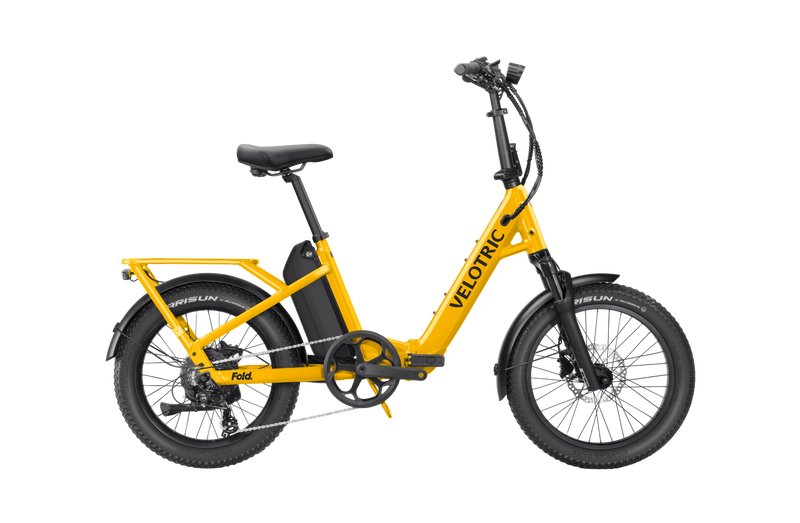
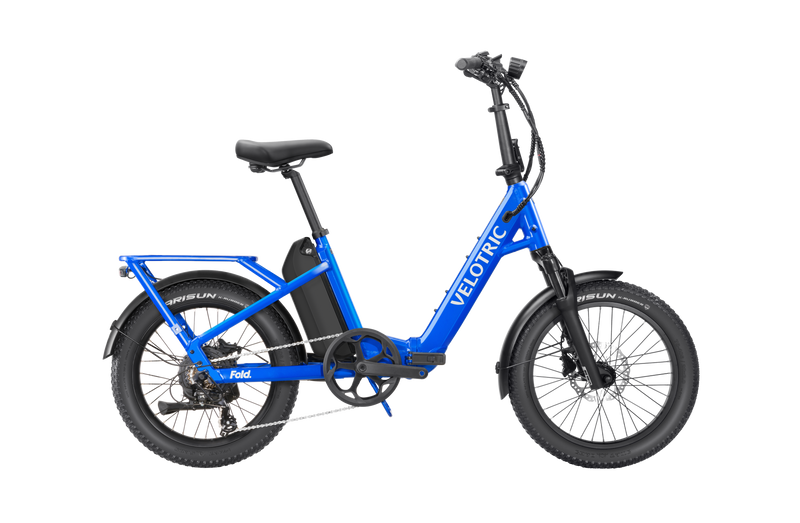
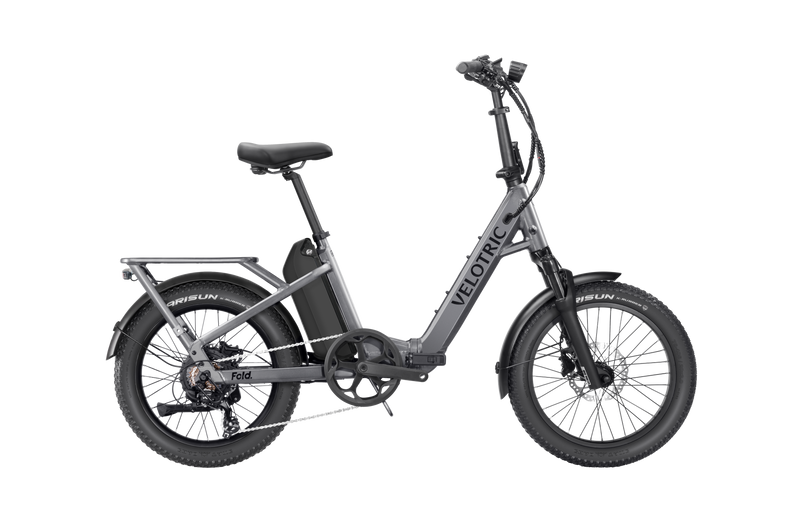
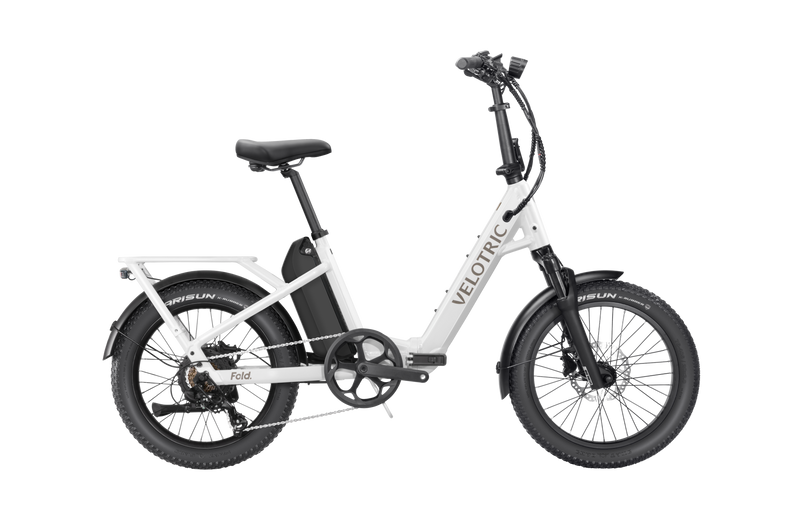
Take the Velotric Fold 1 Plus, for example. This folding ebike brings together the features that matter most when you're trying to find that riding sweet spot—features that reflect real rider needs:
- SensorSwap™ technology gives you instant control over how your ride responds—whether you want the power-on-demand feel of a cadence sensor or the more natural feedback of a torque sensor.
- With 3 riding modes and 5 levels of pedal assist, you're not stuck with a one-size-fits-all setting. Instead, you can dial in what works best for your body, route, and energy on any given day.
- Comfort is built into the foundation: from the adjustable stem that lets you ride upright and relaxed, to the 400mm low step-through frame that makes getting on and off simple and strain-free.
- On less forgiving roads, the hydraulic suspension fork and wide 20x3.0 tires smooth out the bumps and vibrations that often interrupt an otherwise great ride.
- And with a 750W motor and up to 68 miles of range, you're free to keep going until you decide the ride is done—not your battery.
Everything about this bike is designed to support you in discovering your ideal ride. Not through complicated settings or technical jargon, but through simple, responsive features that quietly do their job—so you can focus on the joy of riding.

Frequently Asked Questions
Is there one ideal pedal assist level for all riders?
No. The ideal pedal assist level varies by rider, route, and riding goal.
Some riders prefer lower assist levels for exercise and efficiency, while others rely on higher levels for hills, cargo, or longer distances. Most riders find their sweet spot in the mid-range assist levels, where the bike feels supportive without feeling overpowering.
How do I know if my saddle height is correct?
A simple guideline is that when the pedal is at its lowest point, your knee should have a slight bend—not fully straight and not overly bent. If your hips rock side to side while pedaling, the saddle is likely too high. If your knees feel strained or cramped, it may be too low. Proper saddle height is one of the easiest ways to improve comfort and efficiency.
Will my riding sweet spot change over time?
Yes, and that’s completely normal. As you gain experience, improve fitness, or change riding habits, your preferences may shift. Seasonal conditions, new routes, or even different cargo loads can all influence what feels best. Many riders revisit their setup periodically to maintain comfort and efficiency.
Is the riding sweet spot the same for commuting and leisure riding?
Not always. Commuting sweet spots often prioritize consistency, efficiency, and predictability, while leisure rides may favor comfort and relaxation. You may find yourself using different assist levels, cadence, or posture depending on whether you’re riding to work or riding for enjoyment.
Do beginners need to worry about finding a sweet spot right away?
Not immediately. New riders should focus first on basic comfort and safety. As familiarity grows, experimenting with assist levels, posture, and cadence becomes more intuitive. Most riders naturally discover their sweet spot through regular riding rather than deliberate adjustment.
What’s the biggest mistake riders make when trying to find their sweet spot?
The most common mistake is assuming that more power is always better. Riding at maximum assist can feel fun at first, but it often reduces range, control, and long-term comfort. Finding a sweet spot usually means balancing assistance with natural pedaling rather than overpowering it.
Final Thoughts: Where Comfort and Control Meet
A great ride doesn't come down to just one feature. It's the interaction of multiple elements—power, posture, terrain, and even frame design—that creates a cohesive, satisfying experience.
Your sweet spot is where those elements align for you. It's the ride that doesn't leave you sore. The battery that gets you home with miles to spare. The setup feels less like something you're adapting to and more like something that fits.
Take the time to adjust, experiment, and notice what feels right. Your ebike should grow with you—and when it does, every ride becomes a little smoother, a little more freeing, and a lot more fun.
Looking for a folding ebike built around this kind of flexible, rider-first experience? The Velotric Fold 1 Plus is designed to help you find your ideal ride—and enjoy every mile of it.