






Updated for 2025: This guide reflects the latest U.S. electric bike classification standards.
Electric bikes have grown rapidly in popularity, and with that growth comes a common question for new riders: What’s the difference between Class 1, Class 2, and Class 3 ebikes?
These categories—often called the 3-Class Ebike System—help define how fast an electric bike can assist you, whether it includes a throttle, and where you're legally allowed to ride. Understanding these classifications is essential if you want to choose the right ebike for commuting, fitness, leisure, or weekend adventures.
If you’ve been searching terms like “difference between ebike classes,” “Class 1 vs Class 2,” “What is a Class 3 ebike,” or simply trying to figure out which category fits your lifestyle, this guide breaks everything down in a clear, rider-friendly way.
How To Define An Ebike?
Most states in the United States define ebikes as vehicles with up to three wheels, operative pedals, a saddle, and an electric motor that can have up to around 750 watts of power (1 horsepower).
For the most part, ebikes are considered bicycles rather than motor vehicles, even though they use motor power — but that’s not always the case.
States can create ebike laws, and cities may also have local laws. Several state park trails, for instance, have laws that require ebikes to remain on roadways designed for motor vehicles — like electric scooters and mopeds. Some biking areas even have laws that restrict certain classes of ebikes.
What Are Ebike Classes?
Ebike classes are standardized categories (Class 1, Class 2, Class 3) that define how fast an electric bike can assist you and whether it includes throttle functionality. These classifications determine where you can legally ride and which model fits your needs.
Quick Overview
| Feature | Class 1 Ebike | Class 2 Ebike | Class 3 Ebike |
|---|---|---|---|
| Max Assist Speed | 20 mph (PAS only) | 20 mph (PAS + throttle) | 28 mph (PAS only) |
| Throttle | ❌ No | ✅ Yes | ❌ No |
| Age Requirement | None | None | Often 16+ (varies by state) |
| Typical Use Case | Urban commuting | All-around convenience | Fast commuting |
These classifications determine:
- Which paths you can ride on
- Whether you need a minimum age
- Where your bike falls legally
Below, we take a deeper look at each class—and help you decide which one fits your needs.

Class 1 Ebikes: Smooth, Controlled Pedal Assist (Up to 20 mph)
A Class 1 ebike has pedal assist. This means the motor only helps propel the bike forward when the user is pedaling. The low-power motor assists the cyclist until the bike hits a speed of 20 miles per hour (mph). When that happens, the motor shuts off.
Different ebikes offer different amounts of assistance. You can control the amount of help you get. Some ebikes offer a boost of multiple times the force you’re putting in, meaning you likely won’t have to pedal very hard, but you can’t be completely passive while riding a Class 1 ebike.
Class 1 electric bicycles are the most widely accepted ebikes. In many states, like California, Class 1 ebikes are permitted in almost all the same places as traditional bicycles, but exceptions exist. Some localities still see ebikes more as motor vehicles and only allow them on motor trails.
Benefits and limitations of Class 1 ebikes
Here are some of the best things about Class 1 ebikes:
- Greater acceptance. You can ride a Class 1 ebike in most of the same bike lanes, trails, and even sidewalks in many locations where you can ride a human-powered bike (although there are exceptions).
- A more efficient motor. A Class 1 pedal-assist ebike travels at a low speed and doesn’t need to be as powerful as a Class 2 or Class 3 motor. This means there’s less strain on the battery, and the ebike can go farther on a single charge.
- Anyone can ride one. There’s no age requirement for Class 1 ebike riders.
Here are a few disadvantages of Class 1 ebikes:
- They’re not allowed everywhere. State and local land managers can restrict ebike usage in areas if they feel it threatens public safety or natural lands. For example, many state park superintendents restrict all ebikes to only motor pathways. Check out our guide to ebikes in national and state parks.
- Greater effort. You have to pedal. If you’re looking for a bike that does most of the work while going uphill, for example, a Class 1 ebike probably isn’t for you.
- Lower assisted speed. A Class 1 ebike stops helping you once you reach 20 mph. If you want assistance beyond that, you’ll need to get a Class 3.
Who is Class 1 best for?
Class 1 electric bikes are perfect for:
- Daily commuters
- Recreational riders
- Urban cyclists
- People who want the “traditional bike” experience with added help
They pair a natural pedal feel with supportive assist—great for exercise without strain.
Class 2 Ebikes: Convenience With Throttle + Pedal Assist (Up to 20 mph)
A Class 2 ebike has a throttle-assisted motor, which can push the bike forward even when you aren’t pedaling. Like Class 1 ebike motors, Class 2 motors stop helping when the bike reaches 20 mph.
With a Class 2 ebike, you can give your legs a rest during a strenuous ride without having to stop. Or you can just let the bike carry you for a bit while you check out some scenery in the great outdoors. However, using the throttle feature for extended periods can cause your e-bike battery to drain quickly.
Because Class 2 ebike motors also shut off at 20 mph, they’re almost as widely accepted as Class 1 electric bikes. You can ride them in most city bike lanes and on various bike trails.
However, some national and state parks (even ones that allow Class 1 ebikes) don’t allow Class 2 ebikes because the throttle function can damage natural surface trails.
Benefits and limitations of Class 2 ebikes
Here are some of the best things about Class 2 electric bikes:
- Wide acceptance. Class 2 bikes are allowed almost everywhere that Class 1 bikes are allowed, with a few exceptions.
- Less effort. If you’re tired or want to enjoy the scenery, a Class 2 ebike can do most of the work when needed.
- Anyone can ride one. There’s no age requirement for Class 2 ebikes.
Here are a few disadvantages of Class 2 ebikes:
- Not allowed everywhere. Some land managers don’t allow Class 2 ebikes on certain land because they believe the bikes cause damage to nature trails and can be unsafe for the public.
- Easier to lose focus. Without your legs engaged in pedaling, it’s easy to zone out while you’re riding, which can increase your risk of having an accident. Pay attention to where you are going when on your ebike.
- Less efficient. Using the throttle function for long periods can be tempting, but the more you do, the quicker you drain the battery. Some parks even have time limits for how long you can use the throttle.
Who is Class 2 best for?
Class 2 ebikes suit riders who value:
- Effortless acceleration
- Stress-free urban riding
- Easy starts at red lights or intersections
- Reduced fatigue on long rides
If you want comfort paired with simplicity—and the option to cruise when you don’t want to pedal—Class 2 is a strong match.
Class 3 Ebikes: Fast Commuting Power (Up to 28 mph)
A Class 3 ebike has a pedal-assist motor similar to a Class 1 bike. However, a Class 3 motor is typically much more powerful and provides assistance until the bike reaches 28 mph.
If you need a speedy city bike, a Class 3 bike might be right up your alley. It can help you keep up with traffic or travel long distances more efficiently. Class 3 ebikes are also great for commuting to work or getting across town in a hurry.
Unfortunately, when it comes to ebikes, more speed means more restrictions. It’s pretty rare to find a national or state park that allows Class 3 ebikes on anything other than trails designed for motor vehicles. Class 3 ebikes are also required to have speedometers.
Benefits and limitations of Class 3 ebikes
Here are some of the best things about Class 3 ebikes:
- They’re fast. Class 3 ebikes can help you go much faster than Class 1 and Class 2 bikes so you can ride through the city in a hurry.
- Ideal for commuting.Class 3 ebikes can get you to work more efficiently than the other classes
- Less confusing bike regulations. With Class 3 ebikes, most states require you to stay on roadways and trails for motor vehicles.
Here are some disadvantages of Class 3 ebikes:
- Viewed as motor vehicles. Legally, Class 3 bikes are viewed as motor vehicles. Don’t expect to ride your Class 3 bike on any natural mountain bike paths.
- More expensive. Along with a faster motor comes a higher price tag. Class 3 ebikes generally cost more than Class 1 or Class 2 bikes.
- More dangerous. Class 3 bikes have a higher top speed, which means a fall can cause more damage. For this reason, most states have laws that Class 3 riders need to be at least 14 years of age (older in some states) and wear helmets.
Who is Class 3 best for?
Choose a Class 3 ebike if you:
- Have longer commutes
- Want to travel faster on roads
- Need more climbing power
- Prefer a performance-driven ride
Class 3 is the closest feeling to a moped or scooter—without needing registration in most states.
Where Can You Ride Each Ebike Class?
While most U.S. states follow the same three-class system, path access varies:
| Ebike Class | Bike Lanes | Shared Paths | Roads | MTB Trails |
|---|---|---|---|---|
| Class 1 | ✔️ Yes | ✔️ Yes | ✔️ Yes | Sometimes |
| Class 2 | ✔️ Yes | ✔️ Often | ✔️ Yes | Rarely |
| Class 3 | ✔️ Yes | ⚠️ Sometimes restricted | ✔️ Yes | No |
Always check your local regulations—many states are updating ebike rules each year.
Choosing the Right Ebike Class for Your Riding Style
With different types of ebikes, how can you choose the right one for you? The first step in choosing an ebike class is deciding your needs.

If you want to hit the nature trails, a Class 1 ebike is allowed in more places. If you want to drift along a bike path without pedaling as hard, a Class 2 ebike with throttle assist can help you. If you want to commute to work at maximum speed, a Class 3 bike will get you there.
Just remember that not all classes of ebikes are allowed everywhere. If you plan on riding your ebike somewhere, it’s a good idea to check with the land management there to see if it’s OK. And wherever you ride, protect your head — whether your state has specific helmet laws.
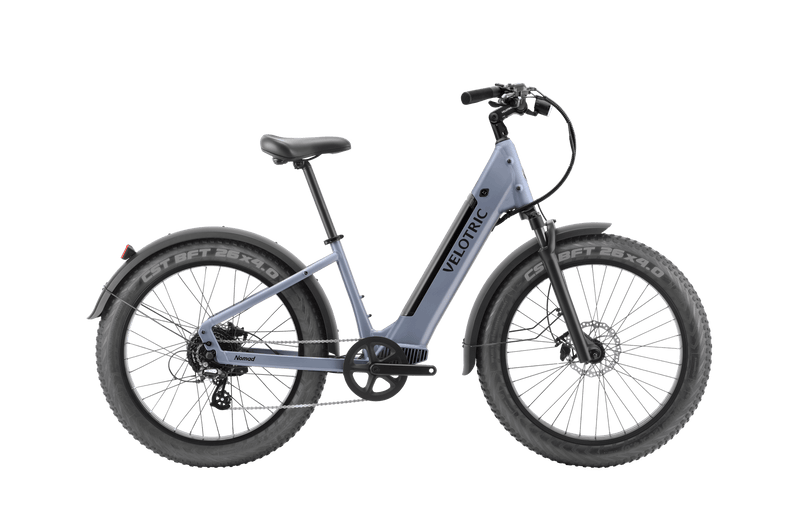
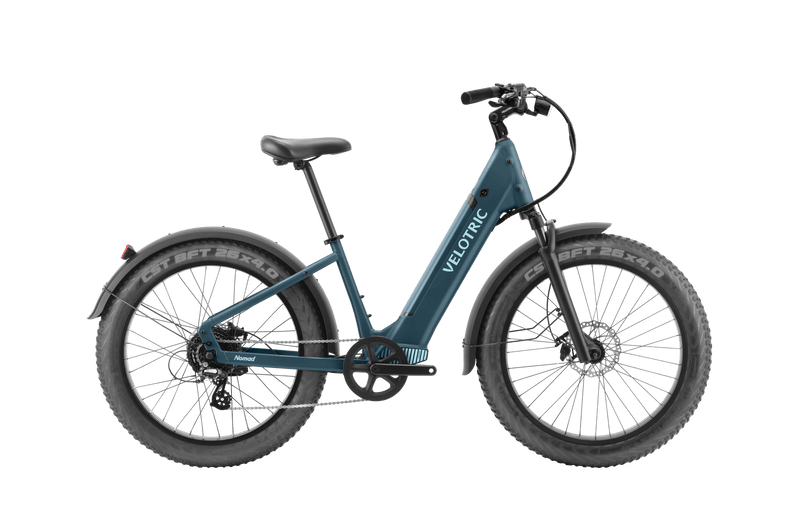
Get the best ebike for your needs from Velotric
Understanding the difference between ebike classes is the first step toward finding the right electric bike for your lifestyle. Whether you prioritize flexibility, natural pedal support, or faster commuting power, the Class 1–2–3 system helps you pick with confidence.
Are you ready to hit the bike paths on an awesome new ebike? Velotric has you covered. Whatever your cycling goals are, we have the best electric bikes to help you reach them.



3 comments
This is a great writeup on ebike classes. Thanks.
Interested in ebike. First one. Is this the right bike for m
What fantastic well written information. Thank you!