Sales









The best electric mountain bike for you depends on where you ride, how much assistance you want and what you need to handle between rides. A bike for weekend dirt paths and hilly everyday routes does a different job from one chosen for steep, technical descents.
The Velotric Summit 1 is worth considering if you want a hardtail electric mountain bike that can also serve as an everyday ride. This guide explains what its equipment means for your routes, who it suits and what to consider before choosing it.

- Start with the riding you actually do
- Summit 1 specifications at a glance
- What Summit 1 brings to your rides
- Plan range around your route
- Check fit, storage and transport before buying
- Who should consider Summit 1?
- Before your first off-road ride
- Frequently asked questions
- Find out whether Summit 1 fits your rides
Start with the riding you actually do
Before comparing motor ratings, think about the hardest section you regularly ride. Is it a long paved climb, an uneven dirt road or a technical trail with repeated rocks and drops? These demands call for different equipment and handling skills.
For recreational mixed-surface riding, consider Summit 1 around three priorities:
- Assisted climbing: Help with uphill effort while keeping you involved in pedaling.
- Front-end comfort: Suspension and tire cushioning for uneven surfaces.
- Everyday usability: A bike you can fit, store, transport and maintain comfortably.
If your main goal is aggressive downhill riding, jumps or bike-park laps, start with a bike specifically approved for those demands. Motor output alone cannot establish whether a bike is suitable for a particular trail.
Summit 1 specifications at a glance
| Feature | Published specification |
|---|---|
| Motor | 750W rear hub motor; 90Nm torque |
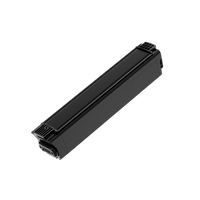
| Battery | 705.6Wh |
| Pedal-assist range | Up to 70 miles under stated test conditions |
| Fork | 120mm hydraulic suspension with lockout |
| Tires | Kenda 27.5 × 2.6-inch MTB tires |
| Drivetrain | Shimano 8-speed |
| Brakes | Shimano hydraulic discs; 180mm front and rear rotors |
| Sensing | SensorSwap™ torque and cadence modes |
| Frame sizes | Regular and Large |
These specifications help narrow your choice. Fit, route conditions and how the bike feels during a test ride are just as important.
What Summit 1 brings to your rides
Motor assistance for hills
On an uphill route, assistance can make the effort easier to manage and leave more energy for the return trip. That matters whether the climb is part of your daily ride or the approach to a recreational trail.
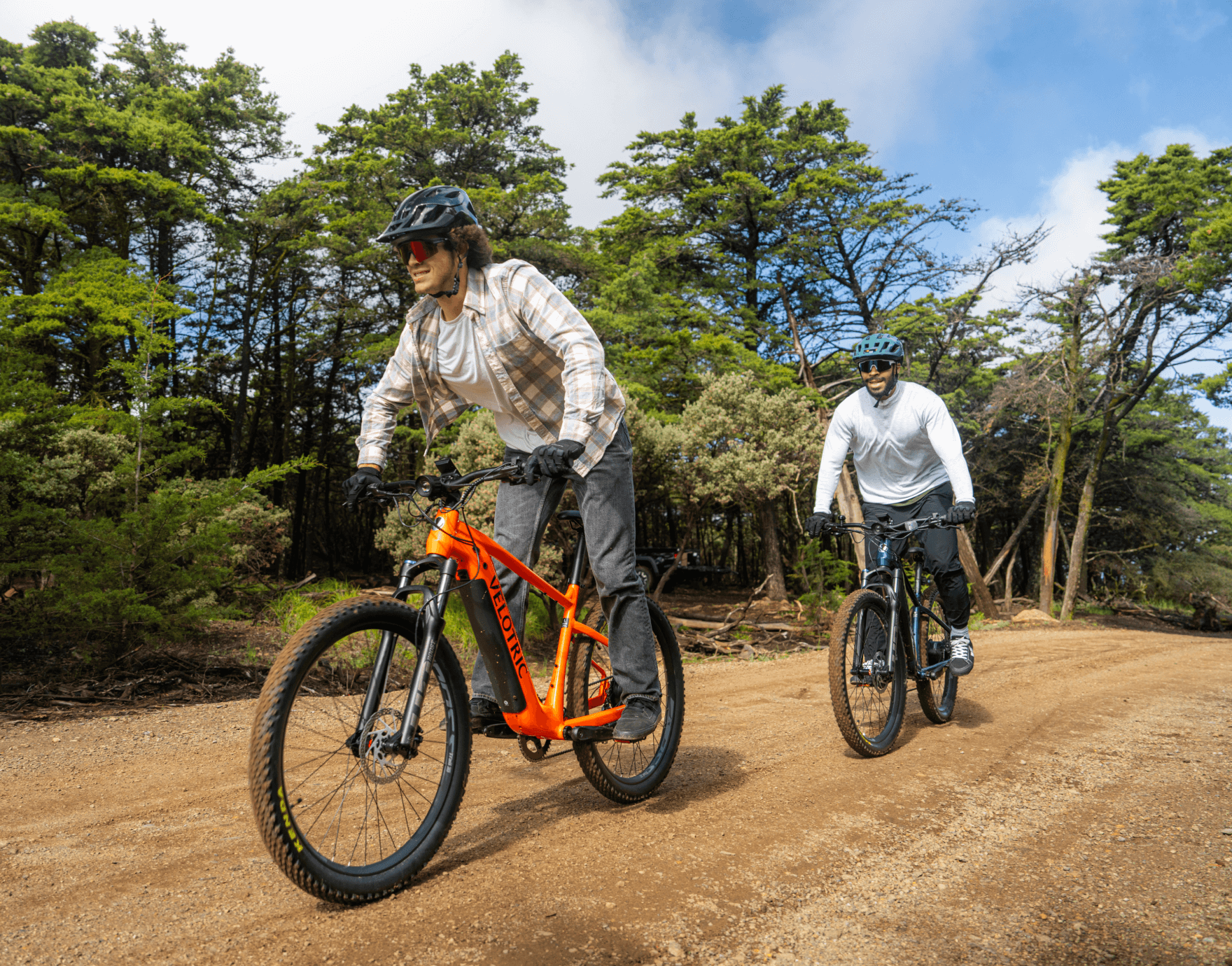
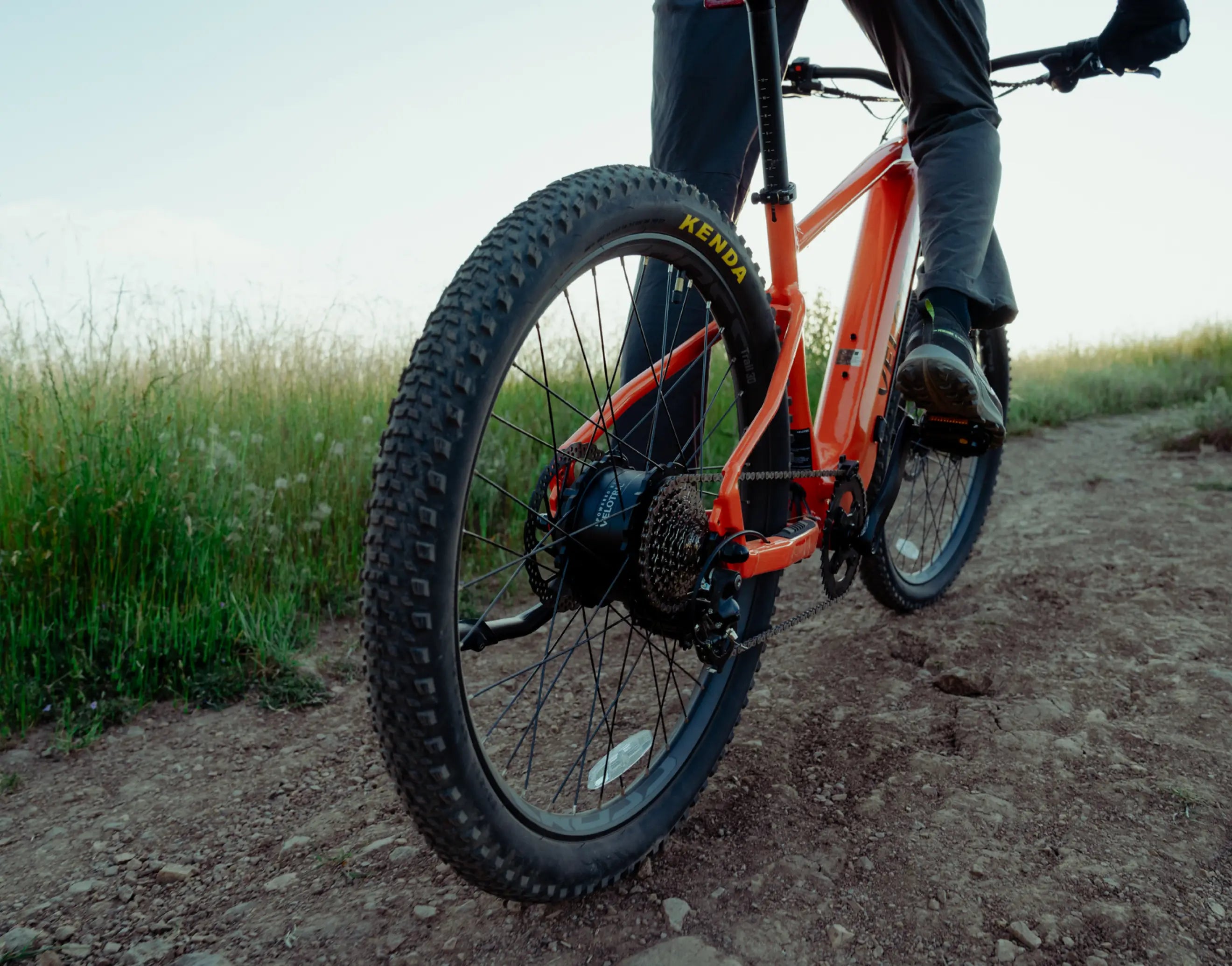
Summit 1 uses a rear hub motor rather than a mid-drive system. The motor drives the rear wheel directly; shifting still helps you maintain a comfortable pedaling cadence. A mid-drive sends its assistance through the drivetrain and can use the bike's gearing, a distinction worth considering if sustained steep climbing is your main priority.
Choose an easier gear before a climb becomes difficult, keep pedaling steadily and use assistance to support your effort. Grip and line choice still matter on loose ground.
Two ways to control pedal assistance
Torque sensing responds to how hard you pedal, making it useful when you want assistance to follow changes in your effort. Cadence sensing responds to pedal rotation and can suit a more relaxed riding rhythm.
Try both modes somewhere familiar before using them on uneven routes. The most useful setting is one that lets you start, turn and adjust your speed predictably.
Front suspension without rear suspension
As a hardtail, Summit 1 has a suspension fork and a rigid rear end. Front suspension helps absorb impacts at the front wheel, but bumps under the rear wheel still reach the rider more directly.
This distinction matters more as trails become rougher. A hardtail can be an appealing choice for mixed everyday riding, while repeated rough descents may call for different equipment. It also avoids the rear shock and suspension pivots that require servicing on a full-suspension design.
Use the fork lockout as directed in the manual. It can reduce suspension movement on smooth sections; release it before returning to rough surfaces.
Tires, braking and gearing that work together
Tires help connect steering and braking inputs to the ground. Set pressure within the approved limits, taking your load and route into account. Too little pressure can increase the risk of rim strikes, while too much can make uneven surfaces feel harsher.
Hydraulic disc brakes allow you to modulate braking through the levers. They still depend on tire grip, pad condition and rider technique. Brake progressively before a turn and allow more stopping room when traction is reduced.
Use the gears to manage pedaling effort rather than relying entirely on higher assistance. Easing pedal pressure briefly during a shift can help it engage more smoothly.
Plan range around your route
The advertised maximum is a useful reference, not a promise for a mountain ride. Summit 1's published range test uses a 187-lb rider, low assistance in Eco mode and flat roads. A route with sustained climbing and frequent acceleration makes different demands on the battery.
Before a longer ride:
- Start with a shorter familiar loop to learn your battery use.
- Account for elevation gain as well as distance.
- Keep a reserve for the return trip, wind or a detour.
- Avoid treating the last battery segment as planned riding range.
If you regularly finish with very little charge, shorten the route or adjust assistance before extending your next ride.
Check fit, storage and transport before buying
A bike can look ideal on paper and still be awkward to live with. Check standover clearance, handlebar reach and whether you can comfortably stop and put a foot down. Height guides are a starting point; your proportions and riding posture also affect fit.
Summit 1 is a full-size ebike. Consider stairs, narrow storage spaces and loading it onto a vehicle. Check the carrier's permitted bike weight, tire clearance and frame attachment requirements against the bike's current specifications.
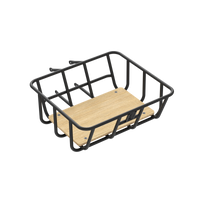
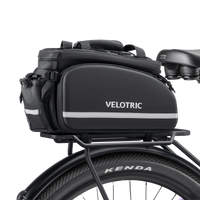
For everyday errands, decide whether you need fenders and a rear rack. Both are optional on Summit 1, so include them in your budget if they are part of your intended setup.
Who should consider Summit 1?
Summit 1 is a practical option to investigate if you want assistance for hilly rides and a hardtail format for recreational mixed-surface use. It is especially relevant when one bike needs to cover regular transportation and weekend exploration.
It may suit you if:
- You want to stay active while making uphill effort more manageable.
- You prefer front suspension and are comfortable with a rigid rear end.
- You have suitable storage and transport for a full-size ebike.
- You want to choose between effort-responsive and cadence-based assistance.
Reconsider your priorities if you mainly need a bike to carry upstairs, require easy step-through access or intend to focus on demanding technical descents. A test ride is a good opportunity to assess low-speed control, stopping and mounting before deciding.
Before your first off-road ride
Confirm that your intended route permits your bike and its configuration. Access rules can differ between trail systems, so check the land manager's current guidance before travelling.
Begin on a familiar, low-consequence route. Check tire pressure, brakes and battery security, and carry the repair supplies you know how to use. Build confidence with starts, turns and controlled stops before increasing terrain difficulty.
Frequently asked questions
Is Summit 1 a good electric mountain bike for beginners?
It can be worth considering for riders starting with recreational mixed-surface routes. Fit and confidence handling a full-size ebike matter more than the beginner label. Start with low assistance and easier terrain, then progress gradually.
Is Summit 1 a full-suspension electric mountain bike?
No. It is a hardtail with front suspension and no rear shock. If rear suspension is central to your riding plans, consider that requirement before choosing a bike.
Can I use Summit 1 for commuting?
Yes, commuting can be part of its everyday role. Consider your preferred riding position, storage and accessory needs. Fenders and a rear rack are optional additions.
Will Summit 1 travel 70 miles on mountain trails?
Do not plan on that figure for a trail ride. It is a maximum measured under the stated flat-road test conditions. Hills, surface conditions, load and assistance use can reduce distance between charges.
What makes an electric mountain bike worth buying?
The useful question is whether assistance helps you ride routes you enjoy more often. Balance that benefit against handling, fit, maintenance and transport. More power is only valuable when the rest of the bike meets your needs.
Find out whether Summit 1 fits your rides
If your priorities are assisted hills, recreational exploration and everyday versatility, take a closer look at Summit 1. Review the sizing, check the current equipment and arrange a test ride where available.