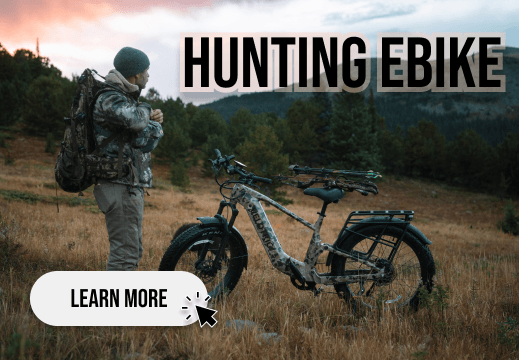


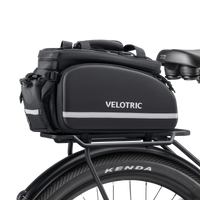


The difficult part of a hunt often begins before reaching the hunting area. Walking the entire distance takes energy, while a truck or ATV may be too large, too noisy or prohibited on the route.
A hunting ebike offers another option. On routes where ebike use is permitted, electric assistance can help hunters cover access miles with less physical strain, transport equipment more efficiently and arrive with more energy for the time spent on foot.
But are ebikes actually good for hunting? This guide explains where a hunting ebike provides the most value, what features matter and why the Velotric Nomad 2X stands out as one of the best hunting ebike options for demanding outdoor routes.
Are ebikes good for hunting?
Ebikes are particularly useful when the hunting location involves a long approach on an approved road or trail. They occupy a practical middle ground between walking and using a larger gas-powered vehicle.
An ebike is narrower and easier to transport than an ATV, yet it offers more range and carrying capacity than walking alone. Its usefulness still depends on the route, but the right setup can make scouting trips and equipment transportation more manageable.
1. Quiet enough to not announce the approach
An electric motor runs close to silent compared to a gas engine, letting a hunter move through timber or a logging road without the noise and exhaust smell that tips off game long before arrival. That quiet approach is the single biggest edge an ebike offers over a traditional ATV or dirt bike.
2. Covers ground without burning energy needed for the hunt
Pedal assist handles the climbs and rough terrain that would otherwise wear a hunter down before the actual hunt starts. Many hunting-oriented ebikes, especially fat-tire and cargo-capable models, also carry real payload, which matters once game is down and needs to be moved out rather than dragged out by hand.
3. Access where trucks and ATVs often can't go
Many public hunting grounds, wildlife management areas, and private leases restrict motorized vehicle access but still allow bicycles, ebikes included, depending on local regulations. That opens up land a truck can't reach and a full day's walk can't cover, often the areas with less pressure and more game.
What makes a good hunting ebike?
A capable hunting ebike needs more than a powerful motor. Its power delivery, terrain control, range and carrying capacity must work together across the complete route.
| Feature | Why It Matters | What to Look For |
|---|---|---|
| Controllable Power | Supports loaded starts and climbs without making loose terrain harder to manage. | Strong torque with smooth, predictable assistance. |
| Tires and Suspension | Improve traction, stability and control on rough access roads. | Terrain-appropriate tires and enough suspension for repeated impacts. |
| Loaded Range | Ensures the battery can support both the ride in and the heavier return. | A realistic range estimate with additional capacity held in reserve. |
| Payload and Braking | Allow the bike to carry equipment while maintaining controlled stopping. | Clear bike, rack and towing limits paired with dependable hydraulic brakes. |
| Outdoor Protection | Adds confidence when the route includes rain, mud or wet ground. | Published water-resistance ratings and recognized electrical safety certifications. |
No single specification determines the best hunting ebike. The right choice is a complete system that matches the rider’s regular terrain, expected load and round-trip distance.
Best hunting ebike: Why Nomad 2X stands out
The Velotric Nomad 2X brings these requirements together in a full-suspension fat tire ebike. Instead of relying on one headline number, it combines controllable power, long-range capability, substantial carrying capacity and features developed for outdoor access.
1. Strong motor support for loaded hunting routes
Nomad 2X uses a 750W rear-hub motor that delivers up to 1,400W of peak power and 105Nm of torque. That kind of power makes a loaded start on rough ground feel manageable instead of like a struggle, and it keeps climbs from turning into a grind.

For hunters, that assistance matters most on the way in, when the bike is loaded and legs still need to be fresh for the actual hunt, and again on the way back, when the load is often heavier.
2. Full suspension beyond basic fat-tire comfort
The Nomad 2X rides on Kenda 26 × 4.0-inch puncture-resistant fat tires, and the difference shows up the moment the road turns to gravel. That width puts more rubber down and lets the tire run at a lower, more forgiving pressure, so small stones and shifting dirt don't throw the front end around the way they would on a narrower tire.

Tire volume only goes so far, though. A 120mm adjustable front air fork paired with 80mm of rear-wheel travel picks up where the tires leave off, soaking up the sharper hits, ruts, and washboard sections that would otherwise translate straight into the rider's hands and back.
That difference is easy to underestimate until the bike is loaded down with gear. A pack, cooler, or set of panniers adds weight low and toward the rear, and that extra mass makes every bump hit harder than it would on an unloaded bike. Having suspension at both ends keeps the ride settled instead of getting bounced around, and it's the kind of thing riders tend to notice most on the ride home, when fatigue is already working against them.
3. Built for the full hunt, not just the ride in
Up to 75 miles of pedal-assist range covers the ride in, a day of repositioning, and the trip back out. That matters most when terrain is rough or the load is heavy, since both pull more from the motor.
A 560-pound payload capacity, including a 120-pound rated rear rack, lets gear or a harvested animal ride on the bike instead of on the hunter's back. A compatible setup can also tow up to 1,000 pounds for bigger loads. Actual range and capacity vary with terrain, weight, and conditions, and towing should stay within hitch and trailer ratings.
Stealth Mode helps on the approach. Activated while stationary, it caps top speed and turns off the integrated lights, cutting down on noise and visibility. Lights should stay on whenever safety requires them, and riders still need to follow local access and hunting regulations.
4. Protection for outdoor conditions
Outdoor routes can expose an ebike to changing weather, wet ground and trail debris. Nomad 2X carries an IPX6 rating, while its battery is rated IPX7. These ratings mean rain, mud, or a wet crossing shouldn't be a reason to turn back.

The Nomad 2X electrical system is certified to UL 2849, and its battery is certified to UL 2271. These certifications cover electrical and battery safety, which matters more on a bike that's often used far from a shop or cell signal.
Are ebikes legal for hunting access?
Permission to hunt and permission to ride an ebike are separate questions.
A valid hunting license or tag doesn’t automatically allow an ebike onto every road or trail within a hunting area. Access rules may differ by state, land manager, property owner, route and ebike classification. Temporary closures and seasonal restrictions may also apply.
Before riding, confirm:
-
The hunting season, species, unit, weapon type, license and tags are valid.
-
You have permission to enter the land.
-
The exact road or trail allows the ebike and assistance type you plan to use.
Hunting dates and requirements change by state, species and management unit. Our U.S. hunting seasons guide provides current season information and direct links to official state wildlife resources.
For route-level access, check the responsible land manager’s current travel map, posted signs and official notices. Private property requires the landowner’s permission.
Are ebikes worth it for hunting?
Ebikes can be highly valuable for hunting when used on approved routes. They reduce the effort required to cover access miles, provide practical ways to carry equipment and create a quieter alternative to gas-powered vehicles.
Their usefulness still depends on choosing the right bike. A hunting ebike needs controllable assistance, terrain-appropriate tires and suspension, enough range for the loaded return, dependable braking and clearly defined cargo limits.
Nomad 2X brings those requirements together rather than leaning on one standout number. The motor, suspension, tires and cargo capacity are each built to cover a different part of the route, not just look good on a spec sheet.
That balance makes Nomad 2X a strong choice for hunters looking for a capable full-suspension hunting ebike—provided the route, conditions and applicable regulations allow its use.
Hunting Ebike FAQs
1. Are ebikes good for hunting?
Yes. Ebikes can reduce physical strain, help transport equipment and provide quieter access than a gas-powered ATV on routes where ebike use is permitted. Their value depends on terrain, range, cargo requirements and local access rules.
2. What is the best ebike for hunting?
The best hunting ebike should combine controllable power, suitable tires and suspension, sufficient loaded range, dependable brakes and enough carrying capacity for the rider’s equipment. The Velotric Nomad 2X is a strong all-around option because it combines a 750W motor, 105Nm of torque, full suspension, fat tires and a maximum payload capacity of 560 pounds.
3. Can you use an ebike on public hunting land?
It depends on the state, property, land manager, route and ebike classification. A hunting license doesn’t automatically provide permission to ride an ebike. Check current wildlife regulations, official travel maps and route-level access rules before entering the area.
4. How much range does a hunting ebike need?
Range should cover the entire round trip with a reasonable battery reserve. Account for climbing, cold weather, loose terrain, assistance level and the possibility of carrying more weight on the return. Advertised range should be treated as a planning reference rather than a guaranteed field distance.
5. Can a hunting ebike carry or tow hunting equipment?
Some hunting ebikes support racks, bags and compatible trailers. Riders must follow the bike’s total payload, rear-rack and towing ratings, as well as the limits of the trailer and hitch. Added weight will also affect handling, braking distance and real-world range.