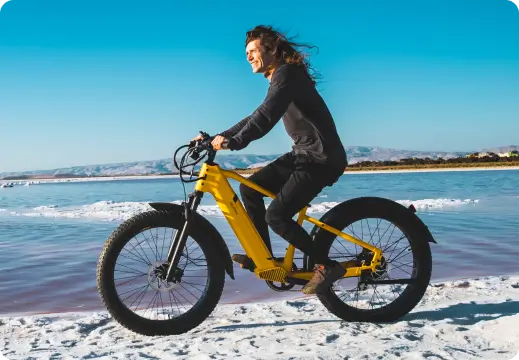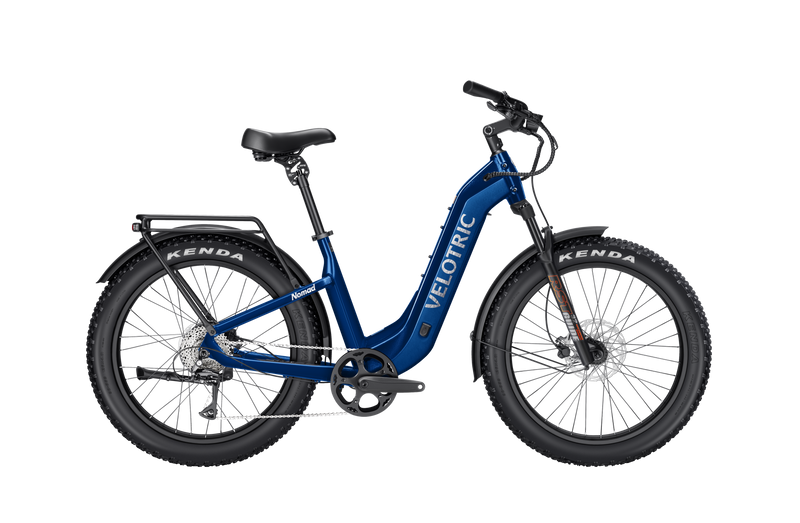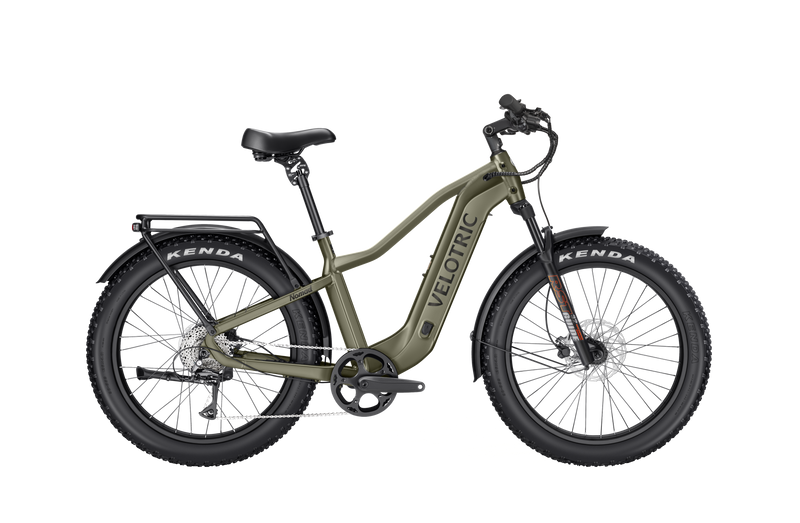




Electric fat tire bikes can go on long rides depending on the type of land, how heavy the rider is, and how much help the bike gives. Normally, they can travel from 40 to 80 miles on a single charge. Sturdily built and better balanced, they fare well on various types of land but require more planning of routes and charging than regular bikes. When ready, they are quite useful for long trips since they do well in difficult conditions, such as sand, snow, and rough paths.
Though their adaptability and off-road capability have helped electric fat tire bikes become well-known, can they manage long-distance adventures? These ebikes provide a special means of exploring varied terrain with their robust structure, wide tires, and strong engines. Still, starting long trips calls for thorough preparation and planning. This page explores the elements influencing the range and performance of electric fat tire bikes, therefore offering advice and ideas for adventurers wishing to challenge long-distance riding.
What “Long Distance” Really Means on an Ebike
Before evaluating suitability, it helps to define long-distance riding.
On an electric bike, long distance often means:
- Rides that extend beyond casual loops
- Consistent riding over one to several hours
- Routes that include changing surfaces
- Managing comfort, fatigue, and battery use over time
Unlike traditional cycling, ebike distance is influenced as much by motor behavior and rider input as by physical endurance.
The Role of Fat Tires in Long-Distance Comfort
Wide tires are often misunderstood in the context of distance riding.
Fat tires provide:
- A larger contact patch with the ground
- Better shock absorption from air volume
- Reduced vibration on rough or uneven surfaces
Over long rides, small vibrations add up. Fat tires reduce this cumulative fatigue by smoothing out imperfections in the road or trail. For riders who experience hand numbness, lower back strain, or joint discomfort, this can make a noticeable difference over time.
Rolling Resistance vs Real-World Efficiency
It’s true that fat tires have higher rolling resistance than narrow tires on perfectly smooth pavement. However, long-distance riding rarely happens on ideal surfaces.
On mixed terrain—cracked asphalt, gravel shoulders, dirt paths, and poorly maintained roads—fat tires often maintain momentum better because they don’t lose energy bouncing over imperfections. This can offset some of the theoretical efficiency loss seen in controlled conditions.
In real-world riding, consistency often matters more than laboratory efficiency.

Stability Reduces Fatigue Over Time
Stability plays a major role in long-distance comfort.
Fat tire ebikes feel more planted, especially when carrying gear or riding in variable conditions. That stability reduces the need for constant micro-corrections in steering and balance.
Over hours of riding, this lower mental and physical workload helps riders maintain focus and comfort—key factors in covering longer distances.
Power Management and Battery Use
Understanding how to manage power turns a normal ride into a great long-distance adventure. A motor with 750W works well in different types of land, but using power wisely really matters. Riders who traveled through the Colorado Rockies found that switching between assist levels helps them go further; using level 1 or 2 on easy paths saves power for harder parts.
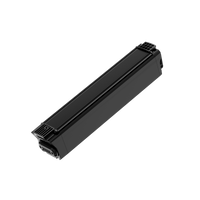
Battery capacity usually decreases by 10-15% in cold mountain passes and increases a bit in warmer conditions. For multi-day trips, carrying a spare battery adds 40-80 miles of range, while portable solar chargers provide backup power in remote areas. The key to consistent charging is to plan rest stops near power sources.
Equipment and Modifications
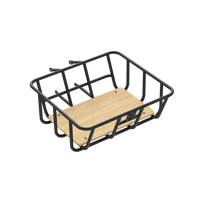
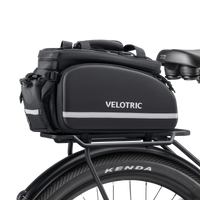
Good equipment turns fat tire ebikes into long-distance adventure vehicles. Low on the frame, waterproof panniers provide stability while carrying the necessary equipment. High-capacity batteries included in frame construction maintain handling properties. Expert riders choose puncture-resistant tires fit for their intended path and attach suspension seat posts to minimize wear on difficult terrain.
Navigation becomes absolutely vital; installing a GPS unit with a backup battery source helps to avoid getting lost in far-off places. While fenders guard delicate electrical components from water and trash, quality lighting systems allow dawn-to-dusk riding. Extended-range batteries, ergonomic grips, and specialized racks made for heavy-duty traveling loads are further additions sometimes included.
Planning and Navigation
Long-distance fat tire e-biking depends on thorough preparation for success. Mapping charging sites yields a constant power source every 20 to 38 miles. Experienced motorcyclists gather thorough terrain maps and study elevation profiles in order to estimate their power consumption. Weather influences riding conditions and battery performance; spring and fall often offer ideal temperatures for the best range.
Rest stops should complement power sources, and daily mileage targets should be adaptable enough to meet unforeseen challenges. A recent group finished the Pacific Coast Trail and mapped many routes around charging stations in order to guarantee backup plans. Their success stemmed from knowing the local weather trends and adhering to predictable charging schedules.
Real-World Applications and Limitations
Although they suffer particular difficulties, fat tire ebikes shine in many environments. Deep sand drains batteries rapidly; hence, in desert areas, careful power control is essential. Snow riding improves traction but lowers tire pressures, thus restricting total range. Experienced cyclists care for height fluctuations and weather conditions by reporting daily 50-60 mile coverage in mixed terrain.

Technical routes demand more power; smooth conditions enable more range. Riding a recent Alaska expedition, participants skillfully traversed varied terrain by changing tire pressure and assist levels depending on conditions. Knowing terrain-specific power consumption enables riders to design sensible daily distances and recharging schedules.
So, Are Electric Fat Tire Bikes Good for Long Distance?
Yes—when used for the right reasons.
Fat tire ebikes trade some speed and efficiency on perfect pavement for comfort, stability, and adaptability over real-world terrain. For riders covering long distances across varied surfaces, that trade-off often results in a more enjoyable and sustainable riding experience.
Long-distance riding isn’t only about how far you can go—it’s about how well you feel while getting there.
FAQ
What terrain are fat tire bikes good for?
On the sand, snow, mud, and tough courses, fat tire bikes shine. Their broad tires give more traction and stability, which makes them ideal for negotiating difficult terrain ordinary bikes find difficult.
How far can a 750W electric bike go?
Usually, one charge of a 750W ebike covers 12-24 miles. Still, the real range varies on things like rider weight, terrain, pedal assist degree, and battery capacity.
How can I increase the range of my electric bike?
Use a lower assist level, keep correct tire pressure, ride gently, and steer clear of heavy loads to maximize kilometers out of your e-bike. Maintaining good condition of your battery also benefits.
Conclusion
When correctly fitted and maintained, fat tire ebikes show themselves to be able to undertake long-distance trips. Success depends on knowing power management, packing suitable tools, and carefully choosing a path. Growing charging networks and modern technology make long distances ever more reachable. Although fat tire ebikes need more preparation than regular bicycles, their capacity to manage varied terrain and carry heavy loads makes them great options for long-distance adventure touring. Riders who properly prepare and have reasonable expectations can boldly start long distances knowing their fat tire ebikes will consistently get them through the next hurdles.