






What Is a City eBike?
And How Is It Different From Other eBikes?
Not all electric bikes are built the same. Here's what separates a true city eBike from the rest — and what to look for before you buy.
Electric bikes are quickly becoming one of the most practical ways to move around modern cities. With rising fuel costs, increasing traffic congestion, and growing interest in sustainable transportation, many urban riders are looking for alternatives to cars and crowded public transit.
That’s where city ebikes come in.
A city ebike is specifically designed for urban riding, commuting, and everyday transportation. Unlike off-road or performance-focused electric bikes, city ebikes prioritize practicality and ease of use for daily life. But what exactly makes a bike a city ebike? Let’s break it down.
What Is a City eBike?
A city ebike is an electric bicycle designed specifically for urban commuting and daily transportation. It's optimized for practicality and reliability on paved roads and city streets.
Unlike performance bikes built for speed or mountain bikes built for trails, city ebikes are engineered around the actual experience of living in a city. That means frequent stops, uneven pavement, the need to arrive presentable, limited storage options, and the reality of navigating traffic every single day.
What Do People Use Them For?

City ebikes are built around the idea that most urban trips are under 10 miles. And for those trips, a well-designed city ebike is often faster, cheaper, and less stressful than any other option.
Key Features That Define a City eBike
Lightweight and Easy to Carry
City ebikes are usually designed to be lighter than many other electric bike categories, especially compared with mountain or fat tire ebikes. Since urban riders often need to carry their bikes upstairs, store them in apartments, or move them through tight spaces, weight becomes a key factor. A lighter ebike is easier to maneuver in traffic, simpler to park, and more convenient for everyday use.

Clean, Urban-Friendly Frame Design
City ebikes typically feature a minimalist and practical frame design that fits naturally into urban environments. Many models use step-through or low-step frames for easy mounting and dismounting, especially when wearing everyday clothing. The design often emphasizes simplicity, smooth lines, and a bike-like appearance rather than the bulky look of traditional electric bikes.
Balanced Power for City Riding
Unlike off-road or performance-focused ebikes, city ebikes usually prioritize smooth and predictable electric assistance. The motor system is tuned for stop-and-go traffic, moderate hills, and daily commuting distances. Instead of extreme power, the goal is a natural riding experience that makes city travel faster and easier without feeling overwhelming.
Built-In Practical Commuting Features
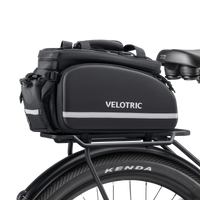
City ebikes are designed for real daily transportation, so they often include integrated accessories that make urban riding more convenient. Common features include built-in lights for visibility, fenders for wet streets, rear racks for carrying bags or groceries, and kickstands for easy parking. These practical details make city ebikes especially useful for commuting and errands.
Carry groceries, a bag, or panniers without strapping anything to your back.
Keeps road spray off your clothes — essential for riding to work in anything but perfect weather.
Improves visibility in traffic and makes commuting safer during early mornings, evenings, or cloudy weather.
A small detail that matters every single day. No leaning your bike against walls and hoping for the best.
How City eBikes Differ From Other Types of eBikes
Understanding what a city ebike isn't is just as useful as knowing what it is. Here's how it compares to the other major categories.
| eBike Type | Primary Purpose | Tires | Weight | Best For |
|---|---|---|---|---|
| City eBike | Urban commuting & daily use | Smooth / pavement | Moderate (35–45 lbs) | Everyday city riders |
| Commuter eBike | Speed & efficiency | Narrow, road-focused | Light | Performance commuters |
| Mountain eBike | Off-road trails | Wide, knobby | Heavy (50+ lbs) | Trail riders |
| Folding eBike | Portability & transit | Small diameter | Moderate | Multi-modal commuters |
| Hybrid eBike | Mixed terrain | Semi-slick | Moderate | Versatile riders |
City eBike vs Commuter eBike
City Ebike
Tends to prioritize portability and efficiency over comfort. Lighter, faster, and more performance-oriented. Better for riders who want to cover distance quickly.
Commuter Ebike
Prioritizes comfort, day-to-day practicality, and accessibility. Designed to be ridden by people of different fitness levels and experience, in everyday clothing, without preparation.
City Ebike vs Mountain Ebike
City Ebike
Slick tires, upright geometry, lighter frame. Built for paved surfaces, bike lanes, and city streets. Efficient where you need it.
Mountain Ebike
Heavy suspension, knobby tires, aggressive geometry. Excellent on trails — overpowered, heavy, and inefficient on city pavement.
City eBike vs Folding eBike
City Ebike
Full-size frame for a more comfortable, stable ride. Better for longer distances and daily use. Doesn't fold — takes up more storage space.
Folding Ebike
Can be folded and taken onto trains or stored under a desk. The folding mechanism adds weight and complexity, and smaller wheels affect ride comfort.
Benefits of Riding a City Ebike
Arrive fresh. Pedal assist handles the hills and headwinds — no sweaty arrivals.
A fraction of the cost of car ownership or daily rideshare. Pays for itself in months.
Near-zero emissions per trip. A practical way to reduce your carbon footprint daily.
Regular pedaling — even with assist — contributes to cardiovascular fitness and daily movement.
The practical case for city eBikes is hard to argue with. In most urban environments, they beat cars on cost, beat transit on predictability, and beat regular bikes on accessibility. For short-to-medium city trips, they're difficult to top.
Who Should Choose a City eBike?
Traveling 3–15 miles each way and tired of transit delays, surge pricing, or parking headaches.
Navigating campuses and city neighborhoods affordably. An eBike covers everything for the cost of a few bus passes a month.
Doing the math on car costs — insurance, gas, parking — and realizing short trips don't justify the overhead.
No training ambitions — just a comfortable, reliable way to get around town without thinking too hard about it.
Pedal assist means city eBikes are accessible to riders of all ages and fitness levels — not just athletes.
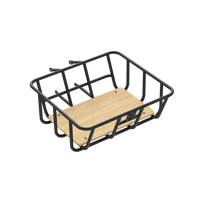
With a rear rack and basket, a city eBike handles grocery runs, coffee shop trips, and everything in between.
A well-balanced city ebike designed from the ground up for daily urban riding. Lightweight, smart, and built to handle everything a city throws at you.

At 39 lbs (34 lbs without the battery), it handles and looks like a classic road bike. Light enough to carry upstairs. Sturdy enough for daily city use.

Connects to your Garmin watch or HRM and automatically adjusts assist to keep you in your target heart rate zone. Your fitness, on autopilot.

Switch between torque sensing (natural, responsive feel) and cadence sensing (steady, consistent assist) with one click. Adapt to how you feel that day.

Apple Find My and Android Find Hub built directly in — no extra tracker needed. Tap your card to unlock. No keys. No fuss.
- Daily commuters who want a lightweight, practical ride they'll actually enjoy using
- Fitness-oriented riders who want to use their commute as a workout — with or without Pulse Mode
- Anyone replacing short car trips who wants a real bike feel, not an e-scooter experience
- Urban riders who care about security and smart features without sacrificing ride quality
Tips for Choosing the Right City eBike
The right city eBike depends on your specific commute, lifestyle, and budget. Here are the four things worth spending real time on:
-
1
Motor power and battery range — Make sure the range comfortably covers your round-trip commute, not just one way. If you commute 12 miles each way, you need a bike that can handle 24+ miles reliably, accounting for hills and assist level.
-
2
Weight — If you live in an apartment, carry your bike upstairs, or load it on transit, weight matters more than most people realize. Under 40 lbs makes daily handling much easier.
-
3
Built-in features — Look for integrated lights, fenders, and ideally a rack. These aren't luxuries — they're what make a city eBike actually practical for everyday use. Adding them aftermarket is expensive and often awkward.
-
4
Reliability and warranty — A bike you use daily needs to be dependable. Check the brand's warranty (battery, motor, frame), read real user reviews, and buy from a company that has service support in your region.
Conclusion
City ebikes exist in a category of their own — not the fastest ebike, not the most powerful, and not the most portable. But for the specific demands of urban life, they strike a balance that no other category quite matches.
Compared to mountain ebikes, they're lighter and more efficient. Compared to folding ebikes, they're more comfortable for longer rides. Compared to performance commuter ebikes, they're more accessible and practical. For most city dwellers, a well-chosen city ebike is the most sensible two-wheeled decision they'll make.
Models like the Velotric Tempo show what this category looks like at its best: a bike that combines genuine performance, smart features, and everyday practicality into something you'll actually want to ride every day.


