



Regular ebike maintenance is essential for safety, performance, and long-term reliability. A structured electric bike maintenance checklist helps riders identify potential issues early and keep their ebike running smoothly in all riding conditions.
An ebike can be a great way to exercise, commute to work, or explore the great outdoors. Whatever you use your e-bicycle for, you want to enjoy a smooth ride without breakdowns or other technical hiccups.
Regular ebike maintenance can help keep your bike’s various components in good shape. While more serious fixes may require professional help, you can take small steps to protect your bike’s longevity.
Do Electric Bikes Need Maintenance?
You’ll have to put time, effort, and money into maintaining your electric bike. The good news? Regularly caring for your bike can help keep it in top condition.
This can make your riding safer and more comfortable. For example, properly inflated tires ensure a smooth ride, while well-functioning brakes help you make clean stops and avoid hitting obstacles.
Electric bike maintenance can also save you money. Small-scale maintenance is often more affordable than major repairs. For instance, replacing your brake pads costs less than the repairs you’ll need if you skip the brake update and have an accident.
The below checklist covers basic maintenance tips:
How To Take Care of Your Electric Bike
What does it take to maintain an electric bike? It’s not that much work. Here are some steps to take to keep your ride in peak condition. This ebike maintenance checklist is designed to cover daily, weekly, monthly, and seasonal maintenance tasks, helping riders understand what to check and when.
1. Check the Tire Pressure
Sufficiently inflated tires help you maintain stability and traction when riding. They also keep you from bumping around too much and make for a smoother ride. On top of that, well-inflated tires help avoid excess friction and allow for more efficient pedaling — meaning it’s easier to go faster.
Check your tire pressure regularly with a standard bike pump. The tires should say what the recommended pressure range is on the side.
Learn more about the different types of ebike tires.
You should also monitor how often you’re riding your bike to properly gauge when it’s time for replacements. Typically, you’re going to want to make a note when you reach between 1,000 and 3,000 miles. This varies based on how often and where you ride your electric bike.
Proper tire pressure not only improves ride comfort but also reduces strain on the ebike motor and battery, extending overall system lifespan. We’ll talk more about tire replacement further below!

2. Test Your Ebike Battery Charge Level
Your electric bike battery powers the bike’s pedal assist system (PAS) and throttle assist.
If you repeatedly use your ebike without recharging the battery, you can lessen the battery’s life span. Plus, the battery could run out of power while you’re riding — yikes!
Check the battery’s charge level after each ride with the in-bike display. Most modern e-bikes have an LCD screen that tells you the battery level. The battery charger should also have a power indicator.
Always know what your battery level is before you begin riding. Check the screen before you begin your journey. You can still get home without the pedal assist, but if it’s all uphill and you’ve been out all day … Well, that’s not exactly the best start to your weekend joy ride.
3. Inspect Brake Pads and Wheels
Brake inspection is a critical part of electric bike maintenance, as ebikes are heavier and faster than traditional bicycles. A ebike’s brake pads wear down over time due to repeated friction. As a result, stopping becomes slower and slower. To ensure you can come to clean stops — and avoid hitting obstacles — do regular brake pad inspections.
There are a few bike brake systems: hydraulic, mechanical, and rim brakes.
For rim brakes, it’s important to check the bike’s rims and replace them if worn or damaged — for example, due to dents from flying gravel on the road.
Check your brakes after every couple of rides and give the rims a quick glance after every ride. You never know what tires can kick up while you’re riding, and a quick inspection after every ride will ensure you can keep your bike in top shape.
4. Grease All Bearings
The bike’s electric motor and drivetrain help keep it running smoothly. If you hear noise from these components, you may need to grease the bearings to reduce friction. This can improve performance, creating a smoother ride.
You’ll definitely hear the noise when it happens. If you don’t have any resources available to you, you can always bring your electric bike to your nearest bike shop. If you have to do this, we would recommend getting your whole bike checked. You’re already there, right?
Fortunately for those who enjoy hands-on work, you can still do it yourself. You can apply grease with a dry, soft cloth. Make sure to wipe off excess grease afterward. Otherwise, dirt and other debris may stick to the substance and get into the bicycle’s e-drive system components, causing potential technical difficulties.
5. Monitor Connection Points
An ebike relies on multiple electrical connectors, such as wiring harnesses and junction boxes. The motor may not get the necessary power if these electrical components get wet. This can decrease motor function or — in the worst-case scenario — result in shutdowns.
Check these connection points regularly for signs of rust, which can result from water damage. This is especially important if you ride in wet or muddy terrain, where splashback can moisten the bike frame.
6. Clean the Drivetrain
The drivetrain consists of chains, cranks, sprockets, and derailleurs — the parts of the bike that help it change gears. A clean drivetrain makes for an efficient ride, with seamless pedaling and gear switching. Regular cleaning removes debris, which can cause wear and tear on these parts over time.
You can use a clean, lint-free cloth and mild detergent to clean the various components of the drivetrain. Make sure to dry the parts after to minimize the risk of corrosion.

7. Check or Test the Motor Temperature
When you ride your ebike, the friction generated by the motor’s moving parts heats the motor’s temperature. If there’s dirt inside the motor housing, this can increase the pressure — and the heat — even more, resulting in potential motor overheating. Aggressive riding styles like hill climbing can also increase the risk.
Test the motor temperature with a thermometer or heat gun — especially before going on long rides — so you can resolve any issues quickly, like grit in the motor housing. The e-bike motor should specify critical engine temperature, usually around 200 degrees Fahrenheit.
8. Diagnose the Electrical System
Regular inspection of motor mounts, wiring, and display units ensures safe and reliable ebike operation in all weather conditions. Testing your ebike motor and battery before a ride can help minimize the risk of surprise electrical malfunctions. Start by testing the on and off switches. Then, check the wiring. Pay attention to loose or missing connections.
If your motor relies on sensors, you can test them with a multimeter (a small electric probe that checks the sensor’s voltage). For example, a hub motor relies on hall sensors to determine the motor’s rotor position.
9. Inspect and Lube the Bike Chain
Bike chains accumulate dirt with every ride. Over time, they become more worn and brittle if not maintained, resulting in potential breakage. A broken bike chain can leave you stranded on the side of the road. A well-maintained chain also helps ensure a smooth ride.
Inspect your bike chain for signs of corrosion or other damage, and clean it with a lint-free cloth. You should then apply lubricant on all parts of the chain, helping reduce friction and the risk of rust.
Make sure you have the correct lubrication before you get going. Some e-bikes might require a different type of lubrication than standard, non-electronic bikes.
10. Test the Suspension and Steering
The bike’s suspension helps absorb shock and maintain an even, pleasant riding experience. It also makes it easier to steer the bike, which is important when dealing with changes to terrain or speed.
You can usually tell if something is off with your bike’s suspension because you’ll experience a bumpier ride. A professional can test the bike’s suspension using a shock dynamometer.
If you experience a bumpier ride or if something feels off, it’s essential to get this checked immediately to avoid injuries or damage to your bike.
11. Fix Any Loose Parts
Even with regular inspection and maintenance, your ebike may experience small screws or other components coming loose over time, especially after riding on bumpy terrain.
Check key bike components, such as brake levers and knobs, for signs of looseness at least once a week. Parts made from plastic are prone to coming loose. Additionally, look for signs of wear and tear, including imperfections like scrapes and dents, which could indicate more serious damage.
How Often Should I Clean or Maintain My Bike?
Now that you know what goes into ebike maintenance, you’re probably wondering: How often do I have to do all of that?
For safety reasons, tick these three items off your to-do list before every ride:
- Check the tire pressure. You never know if a loose valve cap or unnoticed puncture damage from a previous day’s ride might result in rapid air loss. It’s always worth checking the tire pressure before every ride.
- Fix any loose parts. Never ride with loose parts! Give your bike a quick once-over before hopping on to ensure brake levers, knobs, and electrical components are securely attached.
- Check your battery. You don’t want to get halfway through your journey only to discover that your ebike battery is out of juice. Check the ebike battery’s power before hopping on your ride.
Additionally, after every ride, clean your bike. Dust, dirt, pollen, and other grime can contaminate the bike, jamming up the gears, drivetrain, and other components. Before washing your bike, remove the battery to protect it from water.
You should always wipe your bike down, even if you went on a short ride through the neighborhood or ran a quick errand. A soft cloth will do the trick, as you should wipe down the frame and other components to ensure your ebike keeps its shine.
How To Wash an Ebike
To wash your bike, use water from a bucket or low-pressure hose. Never use a high-pressure power washer, which can damage delicate parts like the wheel spokes. You can use a large sponge or brush with a bike-friendly cleaning product to help cut through stubborn grime.
Once you rinse the bike, wipe it down with a clean cloth. As a rule, avoid the disc brakes when cleaning. You don’t want to contaminate them with cleaning products or oils from other parts of the bike.
Beyond the basics, take your bike in for a professional cleaning and tune-up at least once a year, possibly more if you use your ebike heavily. One rule of thumb for frequent cyclists is to get your bike serviced every 1,000 miles. If you ride 100 to 150 miles per week, that’s about every three to four months.
Check your ebike manual for guidance on how often you need to service it. For example, some manufacturers suggest serving after you’ve ridden the bike a specific number of miles.
Of course, if issues arise and more serious repairs are needed, take your bike to a local bike shop for help immediately. Never ride your ebike if you have doubts about its integrity or safety.
Ebike Maintenance FAQs
Now that you know how to maintain your bike, you may still have questions about ebike care. Here are answers to the most frequently asked questions about the topic:
Discover the Best Velotric Ebike Options for You
Regular maintenance can help keep your ebike in good condition and extend its life span. That said, if you want a bike to last, you need to invest in a good-quality ride to start.
Velotric offers quality ebikes that go the distance.
We’ve tested our electric bicycle frames more than 150,000 times, and our batteries are certified by Underwriters Laboratories (UL2271), a global safety standards organization. We also offer an industry-leading one-year warranty so that you can ride with peace of mind.
Velotric has different bikes to suit different cyclists’ needs. If you want something simple for everyday riding, try our Discover 2.
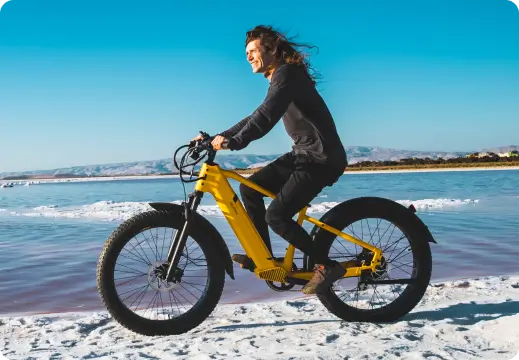
For more rigorous off-road riding, try the Nomad 2X. You can ride this fat tire bike on rough surfaces, from grass to gravel. The Nomad 2X has a range of up to 75 miles and charges completely in six hours.
Our bikes all come with Shimano hydraulic disc brakes, a 48V 14.4Ah battery, and a five-speed pedal assist and throttle assist. In short: Velotric’s bikes tick all the boxes.
Sources: