


If you're an avid or beginner cyclist, you know that sore bum after cycling can turn a great ride into something you dread, but most of the time it’s fixable with better recovery, fit, and technique.
Worry not! This guide explains what’s really going on, the different types of pain, and when discomfort is normal versus a sign you need to change something.
Understanding Sore Bum Pain After Cycling
A bike saddle concentrates your body weight onto a relatively small contact area, so your skin, muscles, and nerves are under constant pressure and rubbing as you pedal. If that pressure is too high, or your skin is damp and moving against fabric, you end up with irritation, inflammation, or even small skin lesions. Over longer rides, blood flow to the area can also be restricted, which adds to tenderness, numbness, or burning sensations.

Not all soreness is the same, and not all of it is dangerous. Mild tenderness in the sit bones after a big increase in riding is often just your body adapting. But hot spots, open sores, deep bruised pain, or persistent numbness are warning signs that your setup, clothing, or training habits need attention.
Common Causes of Cyclist Bum Pain
Several factors usually combine to cause bum pain rather than one single issue:
- Poor saddle fit: A saddle that’s too narrow, too wide, too soft, or the wrong shape for your anatomy concentrates pressure in the wrong spots instead of supporting your sit bones.
- Bad saddle position: If the saddle is too high, too low, tipped too far up or down, or pushed too far forward/back, you can end up rocking on the saddle or loading soft tissue instead of bone.
- Wrong shorts or no padding: Thick seams, rough fabrics, or riding without proper padded cycling shorts increases friction and chafing.
- Moisture and heat: Sweat plus trapped heat softens the skin and makes it more vulnerable to rubbing and infection.
- Sudden jumps in time or distance: Going from short rides to very long ones quickly gives your skin and underlying tissue no time to adapt, making soreness much more likely.
- Staying seated all the time: Never standing out of the saddle on climbs or during long flats keeps constant pressure on the same areas, limiting blood flow and slowing recovery.
Recognizing which of these issues applies to you is the first step to fixing the problem long term. Often, small changes in saddle choice, angle, and clothing reduce pain dramatically.
Types of Pain: Chafing, Saddle Sores, Bruising, Numbness
Different sensations usually point to different underlying problems, and each needs slightly different care.
Chafing:
Feels like burning, raw, or rubbed skin, often on the inner thighs, groin, or where the edge of the saddle or pad meets the skin.
How to relieve it?
Usually caused by friction plus moisture. Recovery focuses on keeping the area clean and dry, using soothing barrier creams, and improving shorts, chamois, and lubrication next time.
Saddle sores:
These are localised spots that may look like pimples, ingrown hairs, or small boils, often at high pressure areas or hair follicles.
How to relieve it?
They can be tender to the touch, warm, and sometimes filled with fluid. Mild ones usually respond to rest, gentle washing, and a thin layer of protective or antibacterial cream; more severe ones may need a doctor, especially if they get larger, very red, or you feel unwell.
Bruising or deep sit-bone pain:
Feels like you’ve been sitting on a hard edge; the bones feel tender or bruised when you sit after a ride.
How to relieve it?
Common when you’re new to cycling, have changed saddles, or suddenly increased time on the bike. Short-term, reducing ride time and adding rest days helps; long-term, you may need a saddle that better matches your sit-bone width and a smoother progression in training.
Numbness or tingling:
Numbness in the genitals, perineum, or inner thighs, or “pins and needles,” is a sign of nerve and blood vessel compression rather than just skin irritation.
How to relieve it?
This is not something to ignore. Adjusting saddle tilt (often slightly nose-down), height, reach, and sometimes switching to a pressure-relief or cut-out saddle are important, and you should stand regularly to restore blood flow. Persistent numbness after rides is a reason to consult a professional fitter or healthcare provider.
How to Relieve the Pain When You Don’t Know the Cause
If you can’t nail down the exact cause of your saddle pain, you can still make a lot of progress by changing several high‑impact factors at once and seeing what helps.
Here are practical measures to try:
Take a short reset break
Take 2–3 days off the bike to let irritation, bruising, or early saddle sores calm down. During this time, keep the area clean and dry, and avoid tight, abrasive clothing.
Improve hygiene and post‑ride care
Shower as soon as possible after riding and change out of damp shorts right away. Gently wash the area with mild soap, pat dry, and use a light barrier or soothing cream if skin feels rubbed or raw. Avoid picking or squeezing any sore spots! Let them heal.
Upgrade shorts and use chamois cream
Use good-quality padded cycling shorts in the right size, with a smooth chamois and no underwear underneath. For rides over about an hour, apply a cycling-specific chamois cream to areas that tend to rub to cut friction.
Make “global” bike-fit tweaks
If you aren’t sure which adjustment is wrong, small, systematic changes can still help. Lower or raise the saddle by 3–5 mm and test; too high often causes rocking and hot spots, too low can increase pressure.
Level the saddle so it’s roughly flat. If you feel pressure at the front, try tilting the nose down just a few degrees. Slide the saddle slightly forward or back to find a position where you feel balanced, not constantly bracing with your arms or sliding on the saddle. On a new setup, do short test rides and adjust one thing at a time.
Vary your position while riding
Stand up out of the saddle for 10–20 pedal strokes every few minutes on longer rides. Shift slightly forward and back or side to side on the saddle to avoid one constant pressure point.
Reduce intensity and build up slowly
Shorten rides, choose smoother routes, and spin an easier gear to limit the force going through your seat and soft tissue. Gradually increase time and distance over weeks instead of jumping into very long rides.
Consider a different saddle style
If nothing seems to help over several weeks, try a saddle with a different width or shape, or one with a pressure-relief channel or cut-out. Many shops offer demo or test saddles so you can experiment without committing.
Using these broad adjustments and a bit of trial and error usually reveals what helps most, even when you can’t identify a single clear cause at the start.
Considering an E-Bike to Reduce Bum Pain and Improve Comfort
If you’ve tried the usual fixes and you’re still struggling with discomfort during longer rides, it might be worth considering a switch to an electric bike. Modern e-bikes are designed to provide pedal assistance, which reduces the strain on your muscles, decreases saddle pressure, and helps prevent repeated friction that often leads to chafing and soreness.
Because you don’t need to push as hard on climbs or long stretches, your body experiences less sustained pressure on the sit bones, and you’re able to maintain a more relaxed riding posture. For many riders, especially beginners, commuters, or anyone recovering from injuries, this makes cycling more enjoyable and comfortable.
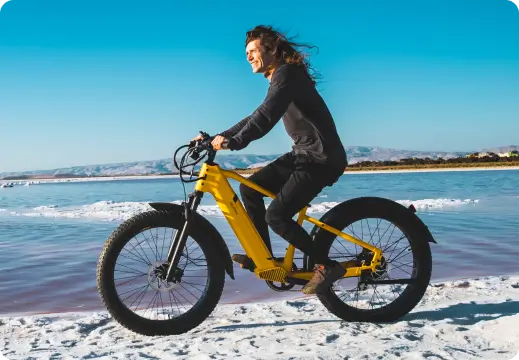
Below are two excellent e-bike options that blend comfort, power, and smooth riding experiences.
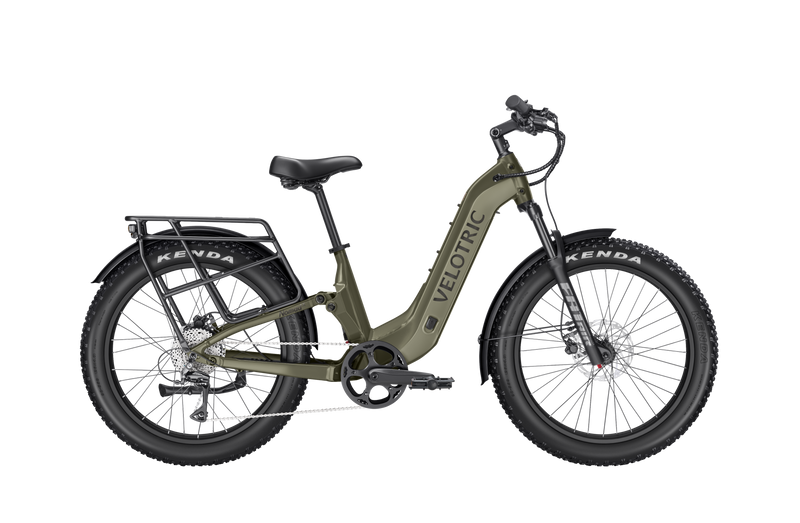
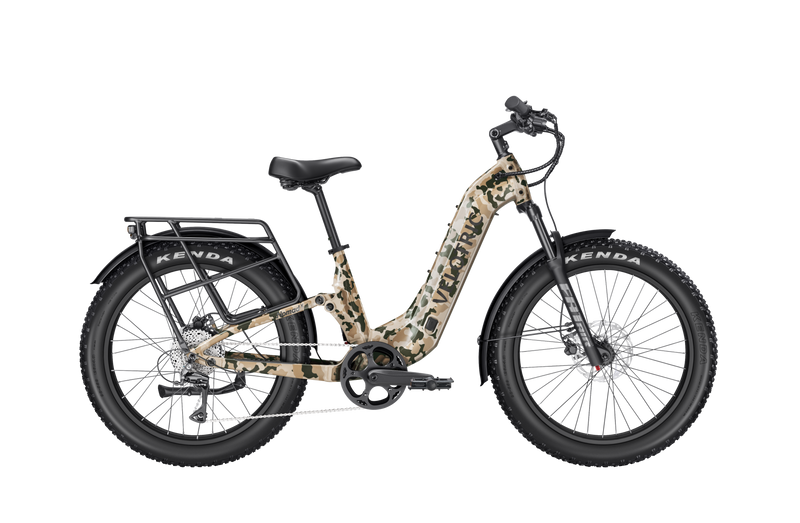
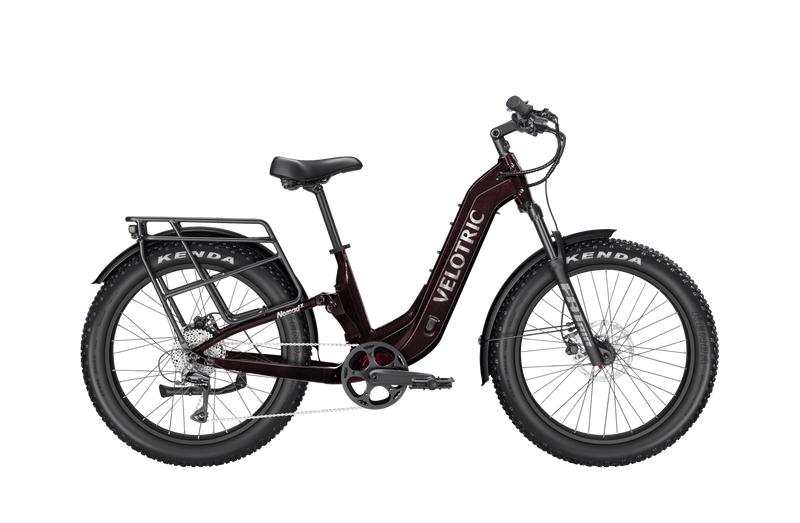
Velotric Breeze 1 – Best for Casual, Comfortable Cruiser Riding
If you love easygoing rides on city streets or scenic paths, the Velotric Breeze 1 is built for you. This cruiser ebike focuses heavily on comfort, making it ideal for riders who want to avoid pressure-related soreness.

Why Velotric Breeze 1 Helps With Bum Comfort
-
Upright Riding Posture Reduces Pressure
The Breeze 1 is designed with a relaxed cruiser geometry that keeps riders in a naturally upright position. Instead of leaning forward and placing pressure on your sit bones and lower back, your weight is distributed more evenly across the saddle and pedals. -
Wide Saddle for Long-Ride Comfort
The Breeze 1 comes with a wide, well-padded saddle designed for everyday comfort rather than aggressive sport riding. The additional cushioning helps absorb small bumps from the road and reduces friction during longer rides. -
Smooth Pedal Assist Reduces Strain
With electric pedal assist, riders don’t need to push hard to maintain speed or climb gentle hills. This smoother pedaling effort reduces repetitive pressure on both the saddle area and the knees. -
Step-Through Frame Makes Riding Easier
The low step-through frame design allows riders to mount and dismount the bike without swinging a leg high over the saddle. This is especially helpful if you’re already experiencing soreness, stiffness, or limited mobility.
Comfort while riding isn’t just about a soft saddle—it’s about how the entire bike supports your body. With its upright riding posture, cushioned saddle, smooth pedal assist, and easy step-through frame, the Velotric Breeze 1 is designed to minimize pressure on sensitive areas and make everyday rides feel relaxed and enjoyable. For riders looking for a cruiser e-bike that prioritizes comfort and ease, it’s a thoughtful option that helps you stay active without unnecessary discomfort.
Who It's Perfect For
- New cyclists
- City commuters
- Weekend leisure riders
- Anyone who wants a relaxed, low-effort ride
When Is Pain Considered “Normal”?
Some level of adaptation discomfort is common, especially if you are:
- New to cycling or coming back after a long break.
- Switching to a different saddle shape or a much firmer performance saddle.
- Increasing ride time or frequency faster than your body is used to.
Mild soreness in the sit bones for a day or two after a longer-than-usual ride is often just your body responding to a new load. This kind of discomfort should be low to moderate in intensity (annoying, but not sharp or burning). You can improve from day to day, not getting worse. Gone or nearly gone by the time you sit on the bike again after a couple of rest or easy days.
Pain is not “normal” if:
You see visible sores, blisters, cracked or broken skin, or swollen, pimple-like bumps. Otherwise, you have significant redness, warmth, or throbbing pain that makes sitting uncomfortable even off the bike.
Numbness or tingling continues for minutes or hours after a ride finishes. The same painful spot returns quickly every time you ride, despite clean clothing and basic care.
In those cases, it’s better to stop riding for a few days, treat the area gently, and ask a doctor or dermatologist for advice if it doesn’t settle. From there, focusing on bike fit, a properly sized and positioned saddle, high-quality padded shorts, hygiene, and building volume gradually will prevent most future episodes and keep your bum comfortable for many more miles.
FAQs
1. Which immediate adjustments to saddle position should I test?
Start with small, reversible tweaks and test them one at a time over a short ride. First, set the saddle roughly level, with the main sitting area flat or the nose just slightly down if you feel a lot of pressure in the front. Next, adjust height by only 3–5 mm at a time: if your hips rock or your sit bones feel sharply bruised, lower it a touch; if your knees feel very bent and you feel jammed into the saddle, raise it a touch. Then nudge the saddle forward or back a few millimeters to find a position where you feel balanced over the pedals instead of sliding to the front or bracing heavily on your hands. After each small change, do a 15–20 minute test ride and note if the pain is better, worse, or just different; keep the settings that feel noticeably more stable and less painful, and stop before making big, drastic moves that could create new issues.
2. How to test and record discomfort after adjustments?
After each adjustment, ride a short, controlled test loop (10–20 minutes on familiar, mostly flat terrain), then immediately rate your discomfort on a simple 0–10 scale and jot down three quick notes: where it hurt (sit bones, inner thigh, front soft tissue, lower back, hands), when it hurt most (right away, after 10 minutes, only on climbs, only in the drops), and what you just changed (for example “saddle 3 mm lower, nose 1° down, 5 km easy spin”).
Use the same route, clothing, and effort each time so you’re only testing the effect of the adjustment, not new variables, and compare your notes over several rides to see whether pain is trending down, shifting location, or getting worse.